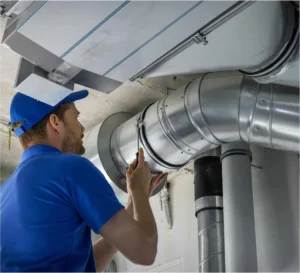
Damaged, outdated or poorly functioning air vents can affect how comfortably your home heats and cools. Whether you’re dealing with cracked ceiling vents, rusty floor grilles, weak airflow or rattling duct outlets, professional Vent replacement can help restore the appearance and functionality of your ventilation system.
Air vents are essential components of ducted heating, air conditioning and ventilation systems. They distribute conditioned air into rooms, support air circulation and provide a finished appearance to walls, floors and ceilings.
Over time, vent components can become damaged through everyday wear, moisture exposure, accidental impacts or ageing materials. Plastic fittings may crack, metal grilles can corrode and adjustable louvres may stop functioning correctly.
In some situations, replacing the visible vent cover is enough to resolve the problem. Other cases involve damaged mounting frames, duct connections or airflow issues that require professional attention.
Choosing the correct replacement is important because vents aren’t simply decorative fittings. Their size, design and location can influence airflow distribution and heating or cooling performance.
A poorly selected replacement may create noise, restrict airflow or make certain rooms less comfortable.
This guide explains everything homeowners need to know about Vent replacement, including common warning signs, different vent types, installation methods, estimated costs, maintenance and frequently asked questions.
What Is Vent Replacement and Why Is It Important?
Vent replacement involves removing damaged, outdated or unsuitable ventilation components and installing compatible new fittings.
Depending on the system, this may include ceiling diffusers, wall grilles, floor registers, return-air grilles or associated mounting components.
Some projects involve replacing only the visible cover.
Others require additional work to repair damaged duct connections or surrounding materials.
Air vents serve several important functions.
Supply vents deliver heated or cooled air into occupied rooms.
Return-air grilles allow air to travel back toward the heating or cooling equipment.
Exhaust vents remove air from certain spaces, depending on the ventilation system.
These fittings are designed for different purposes and aren’t always interchangeable.
A properly selected vent should fit securely, provide suitable airflow and complement the room’s layout.
Replacing a damaged vent can also eliminate rattling caused by loose or broken components.
However, replacement should be based on the actual problem.
Weak airflow may originate from ductwork or equipment faults rather than the vent itself.
Common Signs You Need Vent Replacement
Vent fittings can remain functional for many years, but certain warning signs indicate that replacement may be necessary.
Some problems are cosmetic, while others can interfere with airflow or safe installation.
Common signs include:
- Cracked or broken plastic vents
- Rust or corrosion on metal grilles
- Loose fittings that rattle during operation
- Missing or damaged louvres
- Bent or distorted vent covers
- Broken mounting clips
- Discolouration that cannot be removed through cleaning
- Covers that no longer fit securely
- Damaged frames around duct openings
- Airflow direction that cannot be adjusted correctly
Homeowners often consider Vent replacement during renovations or after noticing that several fittings have deteriorated.
For example, a ceiling diffuser with broken mounting clips may no longer remain securely attached.
A corroded floor register may become difficult to clean and visually unattractive.
However, dust buildup alone doesn’t necessarily mean a vent needs replacing.
Cleaning, tightening screws or minor adjustments may resolve some issues.
Inspect the fitting carefully before purchasing a replacement.
Different Types of Air Vents Used in Homes
Understanding the type of vent installed in your property is essential before selecting a replacement.
Different vents perform different functions and have specific installation requirements.
Ceiling Vents
Ceiling vents are commonly used in ducted heating and cooling systems.
They may feature circular, square or rectangular designs.
Wall Vents
Wall vents can distribute conditioned air or provide return-air pathways.
Some include adjustable louvres.
Floor Vents
Floor registers are installed over duct openings in flooring.
They must be designed to withstand appropriate foot traffic.
Return-Air Grilles
Return-air grilles allow indoor air to circulate back toward the HVAC system.
They are often larger than supply vents.
Exhaust Vents
Exhaust vents are used in systems designed to remove air from bathrooms, kitchens or other areas.
Linear Slot Diffusers
Linear diffusers provide a narrow, streamlined appearance and are often used in contemporary interiors.
Professional Vent replacement should account for the function, size and airflow requirements of each fitting.
Why Homeowners Choose to Replace Air Vents
There are several reasons homeowners decide to replace existing ventilation fittings.
One of the most common is physical damage.
Plastic vents may become brittle, while metal grilles can develop corrosion in damp environments.
Another reason is appearance.
Older vents may look outdated after walls, ceilings or floors have been renovated.
Vent replacement can help create a more consistent interior finish.
Homeowners may also want better control over airflow direction.
Some modern diffusers include adjustable blades or different distribution patterns.
However, changing the vent design can affect how air moves through the room.
A replacement that looks attractive may not provide the same airflow performance as the original fitting.
Noise is another common concern.
Loose covers and damaged mounting components can rattle when the system operates.
Replacing unsuitable or damaged fittings may help reduce these noises.
The best results come from choosing a replacement that addresses the actual problem rather than focusing solely on appearance.
Ceiling Vent Replacement for Ducted Heating and Cooling
Ceiling vents are widely used in Australian homes with ducted air conditioning and heating.
They distribute conditioned air from overhead ductwork into living areas, bedrooms and other rooms.
Ceiling Vent replacement may be necessary when a diffuser becomes cracked, loose or difficult to adjust.
Many ceiling vents use mounting clips, screws or specialised frames.
The attachment method depends on the product.
Before removing the existing fitting, determine how it is secured.
Avoid pulling forcefully because this may damage the surrounding plasterboard or duct connection.
Some ceiling diffusers also connect to flexible ductwork through a mounting collar.
If this component is damaged, replacing only the visible cover may not resolve the problem.
Secure installation is particularly important for ceiling fittings.
A loose vent can fall and cause injury.
For high ceilings or complicated mounting systems, professional installation is recommended.
An HVAC technician can confirm that the replacement is compatible with the duct opening and intended airflow pattern.
Wall Vent Replacement and Installation
Wall vents are commonly found in bedrooms, living rooms, hallways and utility spaces.
They may serve as supply-air outlets, return-air openings or general ventilation grilles.
Wall Vent replacement is often considered during painting, renovation or heating system upgrades.
Before choosing a new grille, identify its function.
A supply-air vent may include adjustable blades that direct airflow.
A return-air grille generally needs sufficient open area to allow air to circulate back toward the system.
Installing an excessively restrictive grille can affect system performance.
Measurements are also important.
The replacement should match the duct opening and mounting arrangement.
Some wall vents use screws, while others attach to frames or clips.
If the surrounding plasterboard is damaged, repairs may be necessary before installation.
Homeowners can choose from simple white grilles, metal finishes and decorative designs.
However, technical compatibility should always take priority over appearance.
Floor Vent Replacement for Durable Airflow Solutions
Floor vents experience more physical wear than many ceiling or wall fittings.
They may be exposed to foot traffic, furniture movement, cleaning equipment and accidental impacts.
As a result, floor Vent replacement requires particular attention to material strength and installation stability.
Floor registers are available in metal, timber and other suitable materials.
The replacement should fit securely within the opening without rocking or creating a trip hazard.
A cover designed for wall installation may not be appropriate for flooring.
Some floor registers include adjustable dampers that allow airflow to be redirected or reduced.
However, airflow changes should remain compatible with the ducted system’s requirements.
When replacing floor vents during a flooring renovation, measure the opening before purchasing new materials.
Changes in floor thickness may affect how the vent sits.
A professional installer can help ensure the replacement is secure, correctly aligned and suitable for the surrounding flooring.
Return-Air Vent Replacement and Airflow Performance
Return-air grilles are important components of ducted heating and cooling systems.
They allow air to move from occupied rooms back toward the central equipment.
Unlike supply vents, return-air grilles are generally designed to accommodate larger airflow volumes.
Return-air Vent replacement requires careful consideration of grille size and open area.
A replacement that is too restrictive may increase airflow resistance.
This can affect comfort, noise levels and system performance.
Homeowners sometimes choose decorative grilles without checking their technical specifications.
However, appearance alone doesn’t determine suitability.
The replacement should be compatible with the system’s airflow requirements.
Return-air grilles may also include filter arrangements, depending on the installation.
If a filter is part of the assembly, the new fitting must accommodate the correct filter type and size.
Professional assessment is recommended when changing return-air grille dimensions or designs.
How to Measure Air Vents Before Replacement
Accurate measurements are essential for successful installation.
One common mistake is measuring only the outside faceplate instead of the duct opening.
Many replacement products are labelled according to their nominal opening size.
Before purchasing a new fitting, remove the existing cover only if it can be done safely.
Measure the width and height of rectangular openings.
For circular vents, measure the relevant diameter.
Also record the outside dimensions of the existing fitting.
Check screw spacing, mounting clips and any required frame depth.
For floor vents, consider how the cover sits within the flooring.
For ceiling vents, identify whether the existing mounting collar can be reused.
Successful Vent replacement depends on selecting a product that matches the opening and attachment method.
If the measurements don’t correspond to standard product sizes, specialist fittings or professional modifications may be required.
Avoid forcing an incorrectly sized vent into place.
This can damage the surrounding surface or create an insecure installation.
How Professional Vent Replacement Works
A professional installation generally begins with an inspection of the existing fitting and surrounding ductwork.
The technician determines whether the problem involves the cover, mounting frame or another ventilation component.
A typical Vent replacement process includes several stages.
1. Inspection
The installer checks the condition, function and dimensions of the existing vent.
2. Product Selection
A compatible replacement is selected based on size, airflow requirements and installation location.
3. Safe Removal
The old fitting is removed without unnecessarily damaging the surrounding surface.
4. Opening Assessment
The installer checks the mounting area and accessible duct connection.
5. Installation
The new vent is fitted securely using appropriate mounting hardware.
6. Operational Testing
The system is checked for rattling, obvious restrictions and suitable airflow.
7. Final Inspection
The installer confirms that the fitting is secure and properly aligned.
More complex projects may involve ductwork repairs or modifications.
These should be completed by appropriately qualified professionals.
Can Vent Replacement Improve Heating and Cooling Efficiency?
Replacing damaged or unsuitable vents may improve airflow distribution in certain situations.
For example, a badly distorted grille may restrict air movement.
A broken diffuser may also direct air incorrectly.
However, Vent replacement doesn’t automatically make an entire heating or cooling system more efficient.
Performance depends on several factors.
These include duct condition, filter cleanliness, fan operation, insulation and system design.
A new vent with a smaller effective open area may actually increase airflow resistance.
This is why compatibility matters.
Homeowners should avoid assuming that closing multiple vents will reduce energy consumption.
Some ducted systems require minimum airflow levels to operate correctly.
If rooms remain uncomfortable after vent replacement, the underlying problem may involve duct leakage, poor balancing or equipment faults.
An HVAC technician can assess whether vent replacement is likely to improve performance or whether other repairs are needed.
Best Materials for Replacement Air Vents
Replacement vents are manufactured from different materials to suit various applications.
The best choice depends on the location, expected wear and surrounding conditions.
Plastic Vents
Plastic fittings are lightweight and commonly used for ceiling diffusers.
They are available in various shapes and colours.
Aluminium Vents
Aluminium is lightweight and resistant to rust.
It is often used for wall grilles and ventilation diffusers.
Steel Vents
Steel can provide durability for suitable floor and wall applications.
Protective finishes may be important in moisture-prone areas.
Timber Vents
Timber grilles can complement traditional interiors and wooden flooring.
They may require additional care in damp environments.
Decorative Metal Vents
Decorative metal fittings offer different patterns and finishes for interior design projects.
When planning Vent replacement, consider airflow performance and installation requirements before selecting a decorative material.
How Much Does Vent Replacement Cost in Australia?
The cost of replacing air vents depends on the product type, dimensions, materials and installation complexity.
A simple plastic ceiling diffuser may be inexpensive, while a custom linear grille can cost considerably more.
For preliminary budgeting, the following are illustrative Australian product price ranges:
| Vent Type | Illustrative Product Cost (AUD) |
| Basic plastic ceiling vent | 10–40 |
| Standard wall grille | 20–80 |
| Floor register | 25–120 |
| Decorative metal vent | 40–200+ |
| Specialist or custom diffuser | Varies by specification |
These figures are not verified current retail quotations.
Professional Vent replacement may involve additional labour and call-out charges.
Costs can increase when openings require modification, duct connections are damaged or vents are difficult to access.
Replacing several fittings during one appointment may reduce the average installation cost per vent.
Request a written quotation that identifies product and labour charges separately.
This helps you compare options and avoid unexpected expenses.
DIY Vent Replacement vs Professional Installation
Some air vents can be replaced by homeowners using basic tools.
For example, a simple wall grille attached with accessible screws may be straightforward to remove and replace.
However, not every fitting is suitable for DIY installation.
Ceiling vents may require secure mounting and safe access.
Floor registers must be suitable for foot traffic.
Return-air grilles may have specific airflow requirements.
Professional Vent replacement is recommended when the work involves duct modifications, difficult access or uncertainty about compatibility.
Homeowners should also avoid working on electrical components or other building services.
Commercial ventilation systems may have additional requirements.
An HVAC technician can assess the existing fitting and recommend a suitable replacement.
Professional installation may also be worthwhile when replacing multiple vents throughout a property.
The installer can check alignment, mounting security and system operation.
For simple projects, careful DIY replacement may be appropriate when the correct product and installation method are clear.
Common Vent Replacement Mistakes to Avoid
Replacing a vent without checking its specifications can create unnecessary problems.
One of the most common mistakes is selecting a replacement based only on appearance.
A decorative grille may not provide sufficient airflow.
Another mistake is measuring the faceplate rather than the duct opening.
This can result in an incorrect fit.
Some homeowners also install wall grilles in floor openings without checking their load suitability.
When undertaking Vent replacement, avoid forcing fittings into openings that are too small.
Excessive pressure can damage plasterboard, flooring or mounting components.
Overtightening screws may crack plastic fittings or distort metal covers.
Another mistake is overlooking the condition of the duct connection.
If the mounting frame is damaged, replacing only the visible cover may not solve the problem.
Finally, don’t ignore unusual airflow or noise after installation.
These symptoms may indicate an unsuitable fitting or another system issue.
Vent Replacement During Home Renovations
Renovations provide a convenient opportunity to update ventilation fittings.
New flooring, fresh paint and modern interior finishes may make old vents look outdated.
Homeowners often schedule Vent replacement alongside other improvement projects to achieve a consistent appearance.
For example, replacing cream-coloured plastic ceiling vents with suitable white diffusers can complement a newly painted ceiling.
Decorative metal floor registers may suit renovated timber flooring.
However, replacement planning should begin before final finishes are completed.
Floor vent openings may need to be measured before new flooring is installed.
Wall grilles should be considered before plaster repairs or painting.
If duct outlets are being relocated, professional HVAC assessment is necessary.
Changing outlet positions can affect airflow distribution and system performance.
Coordinating vent work with other trades can reduce unnecessary disruption and help achieve a cleaner finish.
How to Maintain New Air Vents After Replacement
Regular maintenance helps preserve the appearance and function of new ventilation fittings.
Dust can accumulate on grilles and louvres over time.
Cleaning methods should follow the manufacturer’s instructions.
Plastic vents may be wiped with a soft cloth and suitable mild cleaner.
Metal grilles should be cleaned using products compatible with their finish.
Timber vents may require specialised care.
After Vent replacement, inspect fittings periodically for loose screws, damaged clips and visible dust buildup.
Avoid spraying liquids directly into duct openings.
Do not use abrasive cleaning tools that may damage protective coatings.
If airflow becomes weak or vents become unusually noisy, investigate the cause rather than assuming the new fitting is defective.
The heating or cooling system may require filter maintenance or professional servicing.
Proper care can help new vents remain functional and visually appealing for years.
How Long Do Replacement Air Vents Last?
The lifespan of an air vent depends on its material, installation location and exposure to wear.
A properly installed metal grille in a dry indoor environment may remain functional for many years.
Plastic fittings may deteriorate more quickly when exposed to strong sunlight, temperature changes or repeated impacts.
Floor vents may experience greater wear because of foot traffic.
There is no universal schedule for Vent replacement.
Instead, homeowners should assess the condition and performance of existing fittings.
A vent that remains secure, undamaged and compatible with the system may not require replacement.
However, cracked covers, corroded grilles and broken mounting components should be addressed.
Regular cleaning and appropriate maintenance can extend service life.
Choosing durable materials suited to the installation location can also reduce the need for frequent replacement.
How to Choose a Reliable Vent Replacement Service
Selecting a qualified installer is important when vent replacement involves more than a simple cover change.
An experienced HVAC technician can assess airflow requirements, duct connections and mounting conditions.
When comparing Vent replacement services, ask whether the provider regularly works with your heating or cooling system type.
Check relevant qualifications, insurance and experience.
Request a clear quotation that explains the proposed work.
Ask whether the price includes the replacement fitting, installation and any necessary adjustments.
If the project involves multiple vents, confirm whether all openings have been measured.
A professional provider should also explain whether the selected products are compatible with the existing system.
Avoid choosing a service solely because it offers the lowest price.
Correct sizing, secure installation and suitable airflow performance are important for long-term results.
Professional Vent Replacement for Better Comfort and Appearance
Air vents are small but important components of a home’s heating, cooling and ventilation systems.
Damaged, loose or outdated fittings can affect appearance, create noise and interfere with airflow distribution.
Professional Vent replacement can help address these problems when the existing components are no longer suitable.
The key is selecting replacements that match the duct openings, mounting requirements and intended airflow.
Some simple fittings can be replaced by homeowners, while more complex installations require professional expertise.
Regular maintenance can also help preserve the condition of new vents.
Whether you’re replacing one damaged ceiling diffuser or upgrading multiple grilles during a renovation, careful planning can improve the finished result.
Ready to update your ventilation system? Arrange an inspection or consult an experienced HVAC technician to discuss suitable Vent replacement options for your home or business.
Frequently Asked Questions About Vent Replacement
1. How much does vent replacement cost in Australia?
Costs depend on the vent type, size, material and installation requirements. Basic covers may cost around AUD 10–40, while decorative or specialist fittings can cost considerably more. Professional installation adds labour charges.
2. Can I replace an air vent myself?
Some simple wall, ceiling and floor vent covers can be replaced by homeowners. However, complex mounting systems, difficult access, duct modifications and airflow concerns may require professional installation.
3. How do I know if my air vent needs replacing?
Common signs include cracks, corrosion, broken louvres, loose mounting clips, rattling and poor fitting. Some issues can be resolved through cleaning or adjustment rather than replacement.
4. Does replacing air vents improve airflow?
It may improve airflow if the existing fitting is damaged or restrictive. However, weak airflow can also result from dirty filters, duct leaks or equipment faults. Professional assessment can help identify the actual cause.
5. Are ceiling and wall vents interchangeable?
Not always. Different vents have specific mounting arrangements and airflow characteristics. Choose a replacement designed for the intended location and ventilation function.
6. How long does vent replacement take?
A straightforward cover replacement may take a short time, while complex installations involving duct modifications or damaged mounting frames can require additional work. The installer can provide an estimate after inspection.
7. What is the best material for replacement vents?
Plastic, aluminium, steel and timber are common options. The best material depends on the installation location, expected wear, moisture exposure and interior design.
8. Can I replace old vents with modern decorative grilles?
Yes, provided the new grilles are compatible with the duct openings and airflow requirements. Decorative appearance should not compromise ventilation performance.
9. Should I replace all the vents in my home at once?
Not necessarily. Individual damaged vents can often be replaced separately. Whole-home replacement may be convenient during renovations or when multiple fittings have deteriorated.
10. When should I hire a professional for vent replacement?
Professional assistance is recommended for high ceilings, duct modifications, damaged mounting frames, return-air grille changes and installations where airflow compatibility is uncertain.