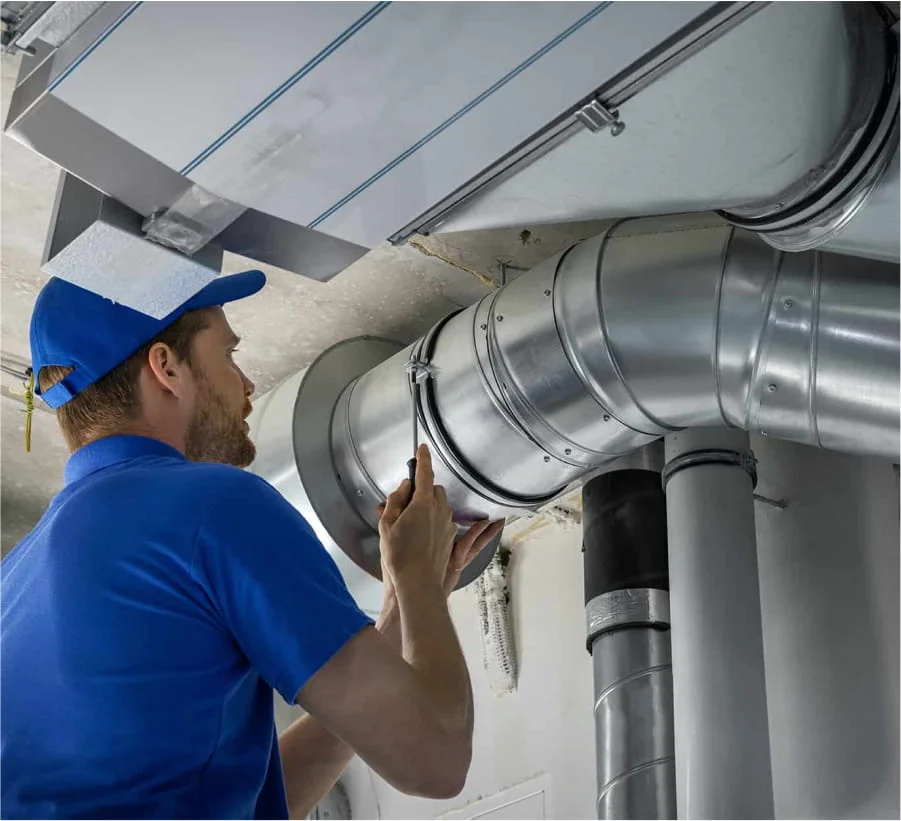
A properly functioning ventilation system plays an important role in maintaining comfortable indoor environments. Whether you own a residential property, manage a commercial building, or operate an industrial facility, effective ventilation helps regulate airflow, remove stale air, and support better indoor air quality. When ventilation components become damaged, blocked, or inefficient, professional Vent repair Melbourne services can help restore system performance and prevent further problems.
Melbourne experiences changing weather conditions throughout the year, including warm summers, cool winters, and periods of high humidity. These seasonal changes can increase the importance of maintaining effective ventilation in homes and commercial properties. Poor ventilation may contribute to condensation, unpleasant odours, excessive indoor moisture, and uncomfortable living or working conditions.
Ventilation problems are not always immediately noticeable. A noisy exhaust fan, weak airflow, damaged ductwork, or a malfunctioning vent can gradually affect the performance of an entire ventilation system.
Professional vent repair helps identify the underlying cause of these issues and provides suitable solutions to restore airflow and improve system operation.
Whether you need bathroom exhaust vent repairs, kitchen ventilation repairs, ceiling vent replacement, ductwork repairs, or commercial ventilation maintenance, understanding the available services can help you make informed decisions.
This guide explains common ventilation problems, the importance of professional repairs, different types of vent repair services in Melbourne, maintenance recommendations, and how to choose a reliable ventilation specialist.
What Is Vent Repair?
Vent repair involves inspecting, diagnosing, and fixing damaged or malfunctioning components of a ventilation system.
Vents are openings or outlets that allow air to move into or out of a building. They work alongside fans, ducts, filters, grilles, and other ventilation components to maintain appropriate airflow.
Over time, these components may become damaged, blocked, loose, or inefficient.
Common vent repair services include:
- Repairing damaged ventilation grilles.
- Replacing broken vent covers.
- Fixing loose or disconnected ductwork.
- Repairing exhaust fan connections.
- Clearing ventilation obstructions.
- Replacing damaged duct sections.
- Addressing airflow restrictions.
- Repairing faulty ventilation components.
- Improving vent connections and sealing.
The type of repair required depends on the ventilation system, the condition of its components, and the underlying problem.
A professional technician can inspect the system and determine whether a repair, component replacement, or more extensive ventilation improvement is necessary.
Why Ventilation Systems Need Regular Attention in Melbourne
Ventilation systems operate continuously or regularly to maintain suitable indoor airflow.
However, dust accumulation, moisture, mechanical wear, and installation problems can gradually affect their performance.
Melbourne properties may experience different ventilation challenges depending on building design, occupancy, weather exposure, and the type of ventilation equipment installed.
1. Maintain Healthy Indoor Air Quality
Indoor air can contain dust, cooking particles, moisture, odours, and other airborne contaminants.
Ventilation systems help remove stale air and introduce fresh air where the system is designed to do so.
When vents become blocked or damaged, airflow may be restricted.
Professional repairs can help restore the intended ventilation function and support a more comfortable indoor environment.
2. Reduce Excessive Moisture and Condensation
Bathrooms, kitchens, laundries, and other moisture-producing areas require suitable ventilation.
When exhaust vents do not operate correctly, humid air may remain inside the building.
This can contribute to condensation on windows, ceilings, and walls.
Persistent moisture may also encourage mould growth and damage certain building materials.
Repairing faulty exhaust vents can help improve moisture removal, although underlying leaks and waterproofing problems may require separate attention.
3. Improve Indoor Comfort
Poor airflow can make rooms feel stuffy and uncomfortable.
A ventilation system with damaged or restricted vents may struggle to distribute or remove air effectively.
Professional repairs can help restore airflow and improve the overall performance of the system.
4. Protect Building Components
Excessive moisture can affect plasterboard, paint, timber, insulation, and other building materials.
Ventilation problems that remain unresolved may contribute to ongoing deterioration.
Identifying and repairing faulty vents can help address one potential cause of moisture-related damage.
5. Support Efficient System Operation
Restricted airflow can affect how ventilation equipment operates.
Depending on the system, blocked filters, damaged ductwork, and faulty components may place additional demands on fans and other equipment.
Timely repairs can help maintain the intended operating conditions and avoid unnecessary component wear.
Common Signs Your Vents Need Repair
Ventilation problems can develop gradually, making it important to recognise early warning signs.
If you notice any of the following issues, consider arranging a professional inspection.
1. Weak or Reduced Airflow
One of the most common signs of a ventilation problem is reduced airflow.
If an exhaust vent no longer removes air effectively or a supply vent delivers noticeably less air than before, there may be an obstruction or damaged component.
Possible causes include:
- Blocked filters.
- Dust accumulation.
- Disconnected ductwork.
- Damaged ventilation fans.
- Restricted air passages.
- Incorrect vent installation.
A technician can inspect the system to identify the source of the problem.
2. Unusual Noises
Ventilation systems generally produce some operating noise, but sudden changes should not be ignored.
Rattling, buzzing, grinding, and excessive vibration may indicate loose components, damaged fan blades, worn bearings, or installation problems.
Continuing to operate a faulty fan may worsen mechanical damage.
3. Persistent Condensation
Condensation on windows, ceilings, and walls may indicate inadequate ventilation or excessive indoor moisture.
If bathroom mirrors remain fogged for long periods or moisture regularly collects around exhaust vents, the ventilation system may not be removing humid air effectively.
However, condensation can have several causes, so a proper assessment is important.
4. Unpleasant Odours
Persistent cooking smells, stale air, or musty odours may indicate insufficient ventilation.
Blocked ducts, contaminated filters, or malfunctioning exhaust systems can contribute to these problems.
Professional inspection can help determine whether the issue originates in the vent, ductwork, fan, or another part of the building.
5. Visible Damage to Vent Covers
Cracked, broken, loose, or discoloured vent covers can affect the appearance and performance of ventilation outlets.
Damaged grilles may also allow dust and debris to enter ventilation openings.
Replacing or repairing damaged covers can help restore a neat appearance and suitable airflow.
6. Excessive Dust Around Vents
Unusual dust accumulation around ventilation outlets may indicate poor filtration, dirty ductwork, or airflow-related problems.
A technician can determine whether the system requires cleaning, filter replacement, sealing, or mechanical repairs.
Different Types of Vent Repair Services in Melbourne
Ventilation systems are used in different parts of residential, commercial, and industrial buildings.
Each application has its own requirements, and repairs should be based on the type of equipment installed.
1. Bathroom Exhaust Vent Repair
Bathroom ventilation helps remove humid air generated during showers and bathing.
A faulty exhaust system may allow moisture to accumulate, increasing the risk of condensation and mould.
Common bathroom vent problems include:
- Exhaust fan failure.
- Blocked vent outlets.
- Loose fan connections.
- Damaged ductwork.
- Noisy fan operation.
- Faulty switches or controls.
Professional bathroom vent repair may involve inspecting the exhaust fan, checking the duct connection, clearing suitable obstructions, and replacing damaged components.
The goal is to restore the system’s intended ability to remove humid air.
2. Kitchen Vent Repair
Kitchens produce heat, cooking odours, grease particles, and moisture.
Effective extraction helps remove these by-products and maintain a more comfortable cooking environment.
Common kitchen ventilation problems include reduced extraction, damaged duct connections, noisy fans, and blocked filters.
Professional repair may involve inspecting the rangehood, checking ductwork, replacing faulty components, and restoring appropriate airflow.
Kitchen ventilation systems should also be cleaned according to manufacturer recommendations and the level of cooking activity.
3. Ceiling Vent Repair
Ceiling vents are commonly used in heating, cooling, and ventilation systems.
They help distribute conditioned air or allow air to be extracted from specific rooms.
Common issues include:
- Loose ceiling grilles.
- Broken vent covers.
- Damaged mounting brackets.
- Restricted airflow.
- Poorly connected ductwork.
- Incorrectly positioned vents.
A professional technician can inspect the ceiling outlet and surrounding duct connections to determine the appropriate repair.
4. Roof Vent Repair
Roof ventilation systems help manage airflow within roof spaces and certain building ventilation arrangements.
Damaged roof vents may allow unwanted water entry, debris, or pests to enter the roof cavity.
Common problems include cracked vent housings, damaged flashing, loose fittings, and deteriorated seals.
Professional roof vent repairs should address both ventilation performance and weather protection.
Roof access and repair work should be completed by appropriately qualified and equipped professionals.
5. Wall Vent Repair
Wall vents are used in different building applications to allow air movement between indoor and outdoor environments or between designated spaces.
They may become blocked, damaged, or loose over time.
Repairs can include replacing damaged grilles, clearing suitable obstructions, improving sealing, and correcting loose connections.
The technician should also confirm that the vent is suitable for its intended purpose.
6. Ducted Ventilation Repair
Ductwork transports air between ventilation equipment and individual rooms or outlets.
Damaged or disconnected ducts can cause airflow losses and reduce system performance.
Common ductwork problems include:
- Crushed or collapsed ducts.
- Loose connections.
- Air leaks.
- Damaged insulation.
- Incorrect duct positioning.
- Obstructions.
Professional duct repairs may involve reconnecting sections, replacing damaged materials, sealing appropriate joints, and checking airflow after the work.
7. Commercial Ventilation Repair
Commercial buildings often have more complex ventilation requirements than residential properties.
Offices, restaurants, retail spaces, warehouses, and hospitality venues may rely on ventilation systems that operate for extended periods.
Common commercial ventilation issues include faulty exhaust fans, damaged ductwork, blocked filters, mechanical failures, and uneven airflow.
Professional commercial vent repair helps businesses maintain suitable ventilation performance and reduce unexpected equipment interruptions.
Residential vs Commercial Vent Repair: Understanding the Difference
Residential and commercial ventilation systems have different operating requirements.
Understanding these differences helps property owners select the right repair service.
Residential Vent Repair
Residential ventilation systems are generally designed to serve individual rooms or household requirements.
Common residential applications include bathroom exhaust fans, kitchen rangehoods, ceiling vents, wall vents, and roof ventilation.
Repairs typically focus on restoring airflow, resolving mechanical faults, and addressing moisture-related ventilation problems.
Commercial Vent Repair
Commercial systems may involve larger fans, extensive duct networks, mechanical ventilation equipment, and multiple ventilation zones.
These systems often require more detailed inspection and maintenance planning.
Commercial repairs may involve airflow testing, ductwork inspection, mechanical component replacement, and scheduled servicing.
The repair approach should reflect the building’s ventilation design and applicable requirements.
How Professional Vent Repair Works
Understanding the repair process can help you know what to expect when arranging a ventilation service.
Although procedures vary according to the system, most professional inspections follow several steps.
Step 1: Initial Inspection
The technician examines the affected vent and surrounding ventilation components.
They may check for visible damage, dust accumulation, loose connections, unusual noise, and airflow restrictions.
Step 2: Identifying the Underlying Problem
The next step is determining why the vent is not operating correctly.
The issue may involve the vent cover, fan, ductwork, electrical connection, filter, or another system component.
Step 3: Recommending the Appropriate Repair
Once the problem has been identified, the technician explains the available repair options.
Depending on the condition of the system, this may involve cleaning, reconnecting, sealing, repairing, or replacing specific components.
Step 4: Completing the Repair
The technician carries out the agreed work using appropriate materials and procedures.
Electrical work should be completed by a suitably licensed electrician where required.
Step 5: Testing System Performance
After the repair, the affected system should be checked to confirm that the components operate correctly.
Depending on the system, this may include checking fan operation, airflow, noise, and duct connections.
How Much Does Vent Repair Cost in Melbourne?
The cost of vent repair in Melbourne varies depending on the type of ventilation system, the nature of the fault, labour requirements, accessibility, and replacement components.
A simple vent cover replacement will generally cost less than repairing damaged ductwork or replacing a faulty exhaust fan.
Several factors influence the overall repair cost.
Type of Ventilation System
Different systems require different repair methods.
Bathroom exhaust vents, kitchen rangehoods, roof vents, ceiling outlets, and commercial ducted systems have different components and installation requirements.
Extent of Damage
Minor problems, such as loose grilles or disconnected fittings, may require relatively straightforward repairs.
More extensive damage involving fans, ductwork, or electrical components may require additional labour and replacement parts.
Accessibility
Vents located in accessible ceiling areas may be easier to inspect than components positioned inside roof cavities or difficult-to-reach spaces.
Restricted access can increase labour requirements.
Replacement Parts
The cost of replacement components depends on their type, quality, size, and compatibility with the existing system.
Labour and Specialist Requirements
Some repairs require specialist ventilation technicians, while electrical faults may require a licensed electrician.
Commercial systems may also require additional testing or more extensive inspection.
Tip: Request a written quotation that explains inspection charges, labour, replacement parts, and any additional work before approving the repair.
Why Choose Professional Vent Repair Instead of DIY Fixes?
Some minor maintenance tasks, such as cleaning an accessible vent grille, may be suitable for property owners.
However, more complicated ventilation problems should be assessed by a professional.
Accurate Problem Identification
A ventilation problem may not originate from the visible vent itself.
Weak airflow, for example, could result from blocked ductwork, a faulty fan, or an incorrectly installed component.
Professional inspection helps identify the actual cause rather than relying on temporary fixes.
Appropriate Repair Methods
Ventilation systems contain different mechanical, electrical, and structural components.
A professional understands how these components work together and can recommend suitable repairs.
Improved Safety
Some ventilation repairs involve electrical connections, roof access, or confined roof spaces.
These tasks can present safety risks when handled without appropriate training and equipment.
Reduced Risk of Further Damage
Incorrect repairs can damage ductwork, create air leaks, or affect ventilation performance.
Professional repairs help ensure that the affected components are restored appropriately.
How to Maintain Your Ventilation System
Regular maintenance can help reduce the likelihood of unexpected ventilation problems.
Property owners and building managers should follow the manufacturer’s maintenance recommendations.
Clean Accessible Vent Covers
Dust and debris can accumulate around ventilation grilles.
Cleaning accessible covers can help maintain a neat appearance and reduce surface obstructions.
Turn off the relevant equipment before carrying out cleaning, and avoid reaching into electrical or mechanical components.
Replace Filters When Required
Some ventilation systems contain filters that require periodic cleaning or replacement.
Blocked filters can restrict airflow and affect system performance.
Follow the manufacturer’s instructions for the correct replacement schedule.
Check for Unusual Noise
Listen for rattling, buzzing, and other changes during normal operation.
Unusual sounds may indicate loose components or mechanical problems.
Monitor Condensation and Moisture
Pay attention to persistent condensation, damp areas, and musty smells.
These may indicate that ventilation performance needs to be checked.
Arrange Professional Inspections
Commercial systems and more complex residential ventilation equipment may benefit from scheduled professional inspections.
Regular checks can help identify developing faults before they cause larger problems.
How to Choose a Reliable Vent Repair Specialist in Melbourne
Choosing the right repair professional is important for achieving safe and effective results.
Before hiring a ventilation specialist, consider the following factors.
1. Relevant Experience
Look for a technician or company with experience repairing the type of ventilation system installed in your property.
Bathroom exhaust fans, commercial duct systems, and roof ventilation may require different skills.
2. Appropriate Licensing and Insurance
Check that the contractor holds relevant licences for regulated work and has suitable insurance.
Electrical repairs should be completed by appropriately licensed electricians.
3. Clear Pricing
Request a written quotation that explains the work involved and any additional charges.
Clear pricing helps you compare service providers and understand what is included.
4. Diagnostic Approach
A reliable technician should investigate the underlying cause of the problem rather than simply replacing visible components without inspection.
5. Customer Reviews and Reputation
Check customer feedback to understand the company’s reliability, communication, and workmanship.
Look for consistent reviews and examples of relevant completed work.
6. Repair and Replacement Advice
A good specialist should explain whether repairing the existing vent is practical or whether replacement would provide better long-term value.
The recommendation should consider the equipment’s condition, age, compatibility, and repair costs.
Common Ventilation Problems Melbourne Property Owners Should Avoid Ignoring
Some ventilation problems may appear minor but can gradually affect indoor comfort and building condition.
The following issues should receive appropriate attention.
Blocked exhaust vents: Restrictions can reduce the removal of humid or stale air.
Damaged duct connections: Loose connections can cause air leakage and reduced system performance.
Faulty exhaust fans: Mechanical problems can prevent effective air extraction.
Persistent moisture: Ongoing condensation may indicate inadequate ventilation or another moisture source.
Cracked vent covers: Damaged grilles can affect appearance and allow debris to enter openings.
Unusual operating noise: Changes in sound may indicate mechanical wear or loose components.
Poorly sealed roof vents: Damaged seals and flashing may allow water entry and require prompt attention.
Addressing these problems early can help prevent more extensive repairs.
Conclusion
Maintaining effective ventilation is important for comfortable and functional indoor environments. Whether you own a home, manage a commercial building, or operate an industrial facility, professional Vent repair Melbourne services can help address damaged vents, restricted airflow, faulty exhaust fans, and ductwork problems.
From bathroom and kitchen exhaust repairs to ceiling vents, roof ventilation, and commercial duct systems, the right repair solution depends on the condition and design of the equipment.
Regular maintenance, timely inspections, and professional repairs can help maintain ventilation performance and reduce the risk of moisture-related problems.
When choosing a ventilation specialist, consider relevant experience, licensing, insurance, diagnostic methods, and transparent pricing.
By addressing ventilation problems early and maintaining your system appropriately, you can support better indoor comfort and help protect your property from avoidable ventilation-related damage.
Frequently Asked Questions (FAQs)
1. What does vent repair involve?
Vent repair involves inspecting and fixing damaged or malfunctioning ventilation components. This may include replacing broken vent covers, repairing duct connections, clearing suitable obstructions, fixing exhaust fans, and addressing airflow restrictions.
2. How do I know if my ventilation vent needs repair?
Common warning signs include weak airflow, unusual noises, persistent condensation, unpleasant odours, damaged vent covers, and visible dust accumulation around outlets.
3. How much does vent repair cost in Melbourne?
The cost depends on the type of vent, extent of damage, accessibility, replacement parts, and labour requirements. A professional inspection and written quotation can help determine the expected cost.
4. Can a blocked vent affect indoor air quality?
Yes. A blocked or restricted vent can reduce the movement or removal of air, depending on the system. This may contribute to stale indoor air, unpleasant odours, and moisture-related problems.
5. How often should ventilation systems be inspected?
Inspection frequency depends on the equipment, manufacturer recommendations, building use, and operating conditions. Commercial systems may require more structured maintenance schedules than basic residential vents.
6. Can I repair a ventilation vent myself?
You may be able to clean an accessible vent cover or perform basic maintenance recommended by the manufacturer. However, electrical faults, damaged ductwork, mechanical failures, and roof ventilation repairs should be handled by appropriately qualified professionals.
7. Why is my bathroom exhaust fan not removing moisture?
Possible causes include a faulty fan, blocked ductwork, a restricted outlet, poor duct connections, or an incorrectly sized ventilation system. A professional inspection can identify the underlying issue.
8. What causes ventilation vents to become noisy?
Ventilation noise may result from loose components, damaged fan blades, worn bearings, vibration, obstructions, or incorrect installation. The system should be inspected if the noise changes or becomes excessive.
9. Can damaged ductwork reduce ventilation performance?
Yes. Crushed, disconnected, or leaking ductwork can reduce airflow and affect the performance of the ventilation system. Repairing damaged sections can help restore proper operation.
10. Do commercial buildings need professional vent repair?
Yes. Commercial buildings often rely on larger and more complex ventilation systems. Professional repairs help maintain equipment performance and address problems that could affect indoor comfort and building operations.
11. When should I replace a vent instead of repairing it?
Replacement may be more suitable when a vent is severely damaged, outdated, incompatible with the existing system, or uneconomical to repair. A technician can assess the condition and explain the available options.
12. Can poor ventilation contribute to mould growth?
Poor ventilation can contribute to moisture accumulation, which may create conditions suitable for mould growth. However, mould can also result from leaks and other moisture sources. Identifying and addressing the underlying cause is essential.
13. Are bathroom and kitchen vents different?
Yes. Bathroom exhaust vents are primarily designed to remove humid air, while kitchen ventilation systems help remove cooking fumes, heat, grease particles, and odours. Their equipment and maintenance requirements differ.
14. How long does a vent repair take?
Simple repairs, such as replacing a damaged grille or reconnecting an accessible duct, may take relatively little time. More complex repairs involving roof access, extensive ductwork, or electrical components may take longer.
15. How can I find a reliable vent repair service in Melbourne?
Look for experienced ventilation specialists, check customer reviews, confirm relevant licences and insurance, request written quotations, and choose a contractor who explains the cause of the problem and recommends an appropriate repair solution.