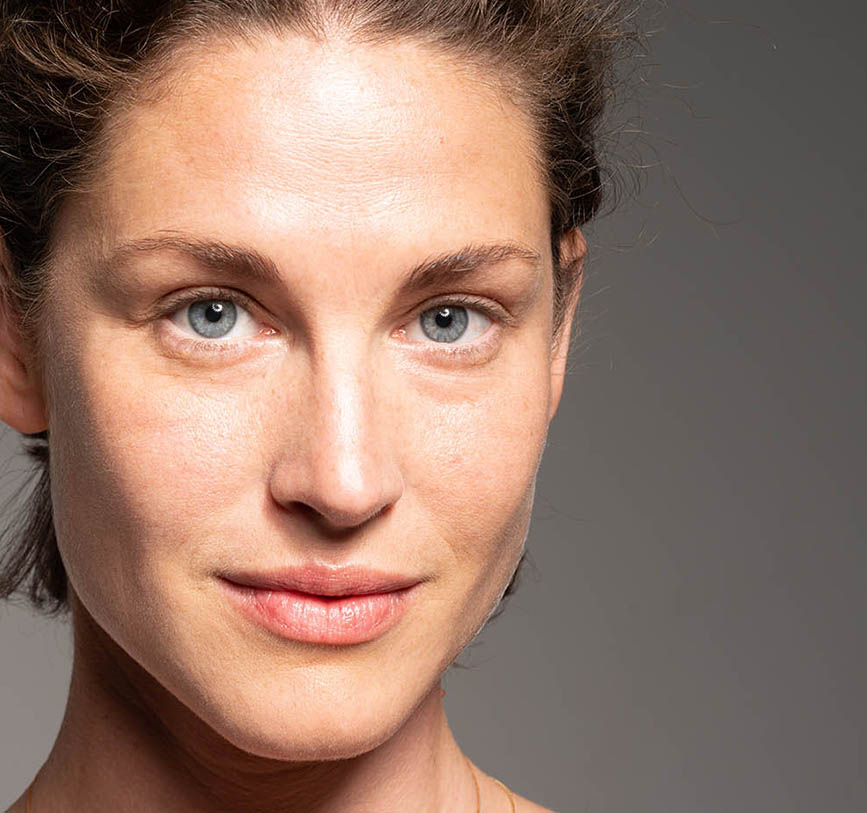
The eyelids play an important role in the appearance and function of the eyes. Even subtle changes in the upper eyelid can affect facial expression, eye shape and the way the surrounding area looks. When excess skin, changes in tissue volume or alterations in the natural eyelid crease become noticeable, a detailed assessment is essential before considering surgery.
Upper Eyelid Surgery in London is a procedure that focuses on the upper eyelids and can be tailored according to an individual’s anatomy and treatment goals. Before deciding on an appropriate surgical approach, a surgeon carefully examines the structure of the eyelids and their relationship with the eyebrows, forehead and eyes.
An assessment at an Eyelid Surgery Clinic in London is therefore more comprehensive than simply looking at whether loose skin is present. Surgeons consider several anatomical features to understand what is contributing to the appearance of the upper eyelids and how treatment can be planned accordingly.
Why Is Eyelid Structure Important?
The upper eyelid consists of several tissues that work together to create its shape and movement. Skin covers the surface, while muscle, connective tissue and fat contribute to the underlying structure.
As people age, these tissues can change. Skin may become less elastic, the distribution of fat may alter and the relationship between the eyelid and brow can change.
Understanding these structures helps the surgeon determine which features should be addressed during Upper Eyelid Surgery in London.
The assessment also helps distinguish between different causes of a heavy or hooded appearance. What looks like excess eyelid skin may sometimes be influenced by brow position or underlying tissue.
What Happens During an Eyelid Consultation?
The assessment usually begins with a conversation about the patient’s concerns and expectations. The surgeon asks what changes the patient has noticed and what they would like to improve.
The surgeon then examines the eyelids while the patient is sitting upright. This position allows the natural relationship between the eyes, eyelids and brows to be observed.
The examination may involve looking at the eyelids from different angles and assessing them both at rest and during natural facial movements.
This detailed evaluation helps the surgeon develop a treatment plan based on the patient’s individual anatomy.
How Do Surgeons Assess Upper Eyelid Skin?
Skin is one of the most visible components of the upper eyelid. Surgeons assess its amount, quality and distribution.
They look at whether excess skin extends over the natural eyelid crease and whether it creates additional folds towards the outer portion of the eye.
Skin elasticity is also considered. Individuals can have different degrees of skin laxity, meaning the amount of visible skin does not necessarily provide the complete picture.
The surgeon assesses how the skin naturally sits over the eyelid and determines whether skin is a significant contributor to the patient’s concerns.
How Is the Natural Eyelid Crease Examined?
The upper eyelid crease is an important anatomical feature. Its position and definition vary naturally between individuals.
During the examination, the surgeon evaluates the location of the crease and how much of it is visible. They also consider how excess skin interacts with the crease.
This information can influence the surgical plan because the incision and treatment approach need to take the patient’s natural eyelid anatomy into account.
A personalised approach helps preserve the characteristics that make each person’s eyes unique.
How Do Surgeons Evaluate Eyelid Fat?
Underlying fat can contribute to fullness in the upper eyelid. During the assessment, the surgeon looks for areas where fat may be influencing the appearance of the eyelids.
The surgeon considers the location and distribution of fullness rather than assuming that every prominent area is caused by excess skin.
If underlying fat contributes to the patient’s concerns, the surgeon can explain how it may be considered within the overall treatment plan.
This is another reason why Upper Eyelid Surgery in London should be planned following a complete anatomical assessment rather than based solely on photographs or the amount of visible skin.
Why Is Brow Position Examined?
The eyebrows and upper eyelids are closely connected in appearance. A lower brow position can push skin towards the upper eyelid, creating additional hooding.
Consequently, a surgeon examines the brow position as part of an upper eyelid assessment.
The surgeon may observe the brow while the face is relaxed and during normal facial expressions. This helps establish whether the appearance of the upper eyelid is influenced by the position of the brow.
Considering both structures gives the surgeon a more complete understanding of the upper third of the face.
How Is Eyelid Movement Assessed?
The upper eyelids are dynamic structures that move constantly when a person blinks or opens and closes their eyes.
A surgeon may observe eyelid movement during the consultation to understand how the eyelids function and how their movement relates to the surrounding tissues.
This provides additional information about the patient’s individual anatomy.
The surgeon can then incorporate these observations into the overall assessment and treatment planning process.
How Is Eyelid Symmetry Evaluated?
Although the two sides of the face are generally similar, complete symmetry is uncommon. Small differences between the eyelids and brows are natural.
During an assessment, the surgeon compares both eyes to identify differences in crease height, skin distribution, brow position and eyelid shape.
Understanding these differences before surgery is useful because they form part of the patient’s natural facial anatomy.
The treatment plan can therefore take existing asymmetry into consideration rather than assuming that both sides have exactly the same structure.
Why Are Facial Proportions Considered?
The upper eyelids do not exist independently from the rest of the face. Their appearance is influenced by the eyebrows, forehead, cheeks and the shape of the eyes.
For this reason, surgeons consider facial proportions when assessing the eyelids.
The objective is to understand how the upper eyelids fit within the overall facial structure. This broader evaluation can help guide decisions about the amount and location of tissue that may need to be addressed.
At an Eyelid Surgery Clinic in London, a personalised assessment can therefore consider both the eyelids themselves and their relationship with surrounding facial features.
How Does Ageing Affect Eyelid Structure?
Changes in the upper eyelids often develop gradually. Skin can lose elasticity over time, while changes in underlying tissues can affect the appearance of the eyelid.
The position of the brow may also change as the face naturally ages.
These factors can work together to create a heavier or more hooded appearance.
During a consultation, the surgeon assesses the current structure of the eyelids rather than relying simply on the patient’s age. Individuals of the same age can have very different eyelid anatomy.
What Role Do Photographs Play in Assessment?
Clinical photographs may be taken during an eyelid consultation. These images can provide a useful record of the patient’s existing anatomy.
Photographs may be captured from different angles and with the face in a relaxed position. They can help the surgeon review the relationship between the eyelids and surrounding structures.
They may also be used when discussing the proposed treatment plan with the patient.
However, photographs form only one part of the assessment. A physical examination and consultation are important for understanding the individual anatomy of the eyelids.
How Does the Surgeon Decide on a Surgical Approach?
After assessing the eyelids, the surgeon considers which features are contributing most significantly to the patient’s concerns.
The treatment plan may take into account excess skin, the position of the eyelid crease, underlying tissue, brow position and facial proportions.
The surgeon then discusses the proposed approach with the patient and explains how it relates to their specific anatomy.
There is no universal surgical technique that is appropriate for everyone. The approach is selected according to the individual’s eyelid structure and treatment objectives.
How Is the Lower Eyelid Considered?
Although the consultation may focus on the upper eyelids, surgeons may also consider the overall appearance of the eye area.
The lower eyelids can influence the perceived balance between the upper and lower portions of the eye. When appropriate, the surgeon may discuss Lower Eyelid Surgery In London if concerns involving the lower eyelids are also present.
This does not mean that upper and lower eyelid surgery are always performed together. Instead, considering the entire eye area can help provide a more complete understanding of the patient’s facial anatomy.
What Should Patients Discuss With Their Surgeon?
A consultation is an opportunity for patients to explain exactly what they would like to change and ask questions about the assessment.
Patients may want to discuss whether their concerns are primarily related to excess skin, the eyelid crease, underlying tissue or brow position.
Questions may include:
- How does my eyelid structure contribute to its appearance?
- Is excess skin the main feature being addressed?
- How does my brow position affect my upper eyelids?
- What is the position of my natural eyelid crease?
- Is there noticeable asymmetry between my eyes?
- Which surgical approach is appropriate for my anatomy?
- How does the lower eyelid affect the overall appearance of my eyes?
These discussions can help patients understand the reasoning behind their individual treatment plan.
Choosing an Eyelid Surgery Clinic in London
Selecting an appropriate clinic is an important step for anyone considering eyelid surgery. A specialist Eyelid Surgery Clinic in London should provide a detailed consultation and individualised assessment.
Patients should have the opportunity to discuss their concerns, understand their eyelid anatomy and learn how the proposed treatment has been planned.
Bodyvie Clinic provides access to aesthetic and surgical consultations where patients can discuss their individual requirements with the clinical team.
A detailed assessment allows the treatment approach to be tailored to the patient’s existing features rather than relying on a standardised procedure.
Conclusion
Assessing eyelid structure is an important part of planning Upper Eyelid Surgery in London. Surgeons examine several factors, including skin quality, eyelid crease position, underlying fullness, brow position, eyelid movement, symmetry and overall facial proportions.
This detailed assessment helps establish what is contributing to the appearance of the upper eyelids and allows the surgical approach to be tailored to the individual’s anatomy.
For people considering eyelid surgery, a consultation at an Eyelid Surgery Clinic in London provides an opportunity to understand their eyelid structure and discuss suitable treatment options. When concerns also involve the lower eye area, Lower Eyelid Surgery In London may be discussed as part of a broader assessment of the eyes.
FAQs
What does an eyelid surgeon assess before upper eyelid surgery?
A surgeon may assess the skin, natural eyelid crease, underlying tissues, brow position, eyelid movement, symmetry and the relationship between the eyelids and surrounding facial structures.
Why is the eyelid crease important?
The natural eyelid crease influences the appearance of the upper eyelid and is considered when planning the surgical approach. Its position and definition vary naturally between individuals.
Do surgeons assess the eyebrows before upper eyelid surgery?
Yes. Brow position can influence how much skin appears over the upper eyelids, so it is commonly considered as part of a comprehensive assessment.
Can upper eyelid fullness be caused by something other than excess skin?
Yes. Fullness may also be influenced by underlying tissues such as fat. A detailed examination helps determine which anatomical features contribute to the appearance.
Is facial symmetry considered during eyelid surgery planning?
Yes. Surgeons compare both sides of the face to identify natural differences in eyelid shape, crease position, skin distribution and brow height.
Why is an upright assessment useful?
Assessing the patient while sitting upright allows the surgeon to observe how the eyelids, brows and surrounding tissues naturally sit under normal conditions.
Are photographs taken during an eyelid consultation?
Clinical photographs may be taken to document the patient’s existing anatomy and support discussions about treatment planning.
Is upper eyelid surgery the same for everyone?
No. Eyelid anatomy varies significantly between individuals. The surgical approach is therefore selected according to the patient’s specific structure and treatment goals.
What is the difference between upper and lower eyelid surgery?
Upper Eyelid Surgery in London focuses on the upper eyelids, while Lower Eyelid Surgery In London addresses concerns affecting the lower eyelids. The techniques used for each area can differ according to individual anatomy.
How do I prepare for an eyelid surgery consultation?
It can be helpful to think about the changes you would like to address and prepare questions about your eyelid structure, treatment approach and expected surgical plan. The surgeon can then assess your individual features and discuss suitable options.