Reliable door systems play an important role in keeping commercial premises accessible, secure, and operational. Commercial roller door repairs help address mechanical faults and deterioration that can develop through regular use in busy business environments. Frequently operated doors are exposed to repeated movement, environmental conditions, and ongoing strain that may affect their performance over time. Recognising early signs of damage and understanding how individual components function can help identify when professional attention is necessary. Timely repairs can minimise unexpected interruptions, maintain safe access, and support the continued operation of commercial facilities. Regular attention to door condition also helps preserve functionality and extend the service life of roller door systems.
How Commercial Roller Door Systems Operate
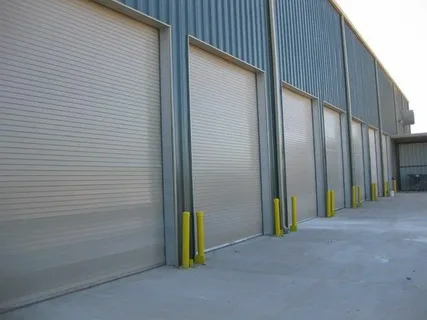
Commercial roller doors rely on several mechanical and electrical parts working together to provide controlled opening and closing. The door curtain is generally made from robust materials, such as aluminium or galvanised steel, and winds around a cylindrical drum during operation. Torsion springs commonly assist with balancing the curtain’s weight, while an electric motor drives movement in automated systems. Guide tracks keep the curtain aligned as it travels, and supplementary components, including safety sensors and weather seals, support secure and reliable operation.
Problems affecting even one part of the assembly can interfere with the entire mechanism. Damaged tracks may restrict movement, whereas a malfunctioning motor can prevent the door from responding to operating controls. Misalignment and worn components can also place additional strain on other parts. Regular inspections and appropriate repairs help maintain coordination between these elements, supporting dependable operation and reducing the likelihood of unexpected interruptions in commercial facilities.
Warning Signs of Commercial Roller Door Damage
Changes in the way a commercial roller door operates can reveal developing mechanical problems that require attention. Grinding, rattling, or other unfamiliar sounds may indicate worn components, loose fittings, or difficulties with alignment. A door that moves unevenly, takes longer to open, or stops unexpectedly may have a problem involving its motor, guide tracks, or spring mechanism. Physical deterioration, including damaged curtain sections and deteriorating cables, can also affect the system’s safe operation.
Repeated sticking or a complete failure to respond may suggest electrical faults or problems with the control equipment. Unexpected changes in operating performance can provide further reasons to arrange an inspection. Monitoring these warning signs allows businesses to recognise developing faults before they become more serious. Addressing problems early can limit disruption, preserve access security, and reduce the likelihood of expensive repairs caused by continued operation with damaged components.
Why Skilled Technicians Matter for Roller Door Repairs
Repairing commercial roller doors requires a sound understanding of the mechanisms responsible for their movement, balance, and control. Experienced technicians can examine mechanical assemblies, electrical connections, and structural components to determine the source of a malfunction. Appropriate diagnostic equipment helps them identify faults and carry out specialised work, including motor adjustments, guide-track corrections, and spring mechanism repairs, where required.
Professional repair practices also involve following relevant safety requirements and using suitable procedures for the particular door system. Technicians can recognise less obvious defects that might otherwise remain undetected, helping prevent recurring problems and additional component damage. Their knowledge of different door designs and operating technologies also supports more appropriate repair decisions.
As equipment and repair methods develop, technicians can apply relevant techniques and tools to address changing maintenance requirements. Familiarity with different commercial installations enables them to assess a variety of faults and restore suitable operating conditions. Professional attention therefore contributes to dependable door performance, safer operation, and continued access to business premises.
Advantages of Regular Roller Door Servicing
Planned servicing helps commercial roller doors remain functional while reducing the possibility of unexpected breakdowns. Periodic inspections can reveal early deterioration, loose fittings, accumulated debris, and other conditions that may interfere with normal movement. Cleaning appropriate components and applying manufacturer-recommended lubrication to moving parts can reduce friction and support smoother operation.
Maintenance appointments also provide opportunities to replace damaged components before their condition affects other parts of the system. Checking track alignment, spring mechanisms, and operating controls helps identify adjustments that may be necessary to maintain reliable performance. Keeping the door mechanism in suitable working condition can also prevent avoidable strain on the motor and associated equipment.
A consistent servicing schedule allows businesses to manage maintenance requirements before significant faults develop. This proactive approach supports operational continuity, helps preserve the door assembly, and reduces the risk of access problems that could affect staff, deliveries, or daily commercial activities. Regular attention also contributes to maintaining a secure and functional workplace.
Essential Precautions When Repairing Roller Doors
Following appropriate safety procedures during roller door repairs helps protect technicians, employees, and other people in the surrounding area. Electrical power should be isolated before work begins on motorised equipment, with suitable precautions taken to prevent accidental reactivation. Correctly selected tools and repair equipment are equally important when inspecting or servicing mechanical and electrical components.
Technicians should use appropriate protective equipment, including safety glasses and gloves, according to the task and its associated hazards. The door must be secured against unexpected movement before components are removed or adjusted. Particular care is necessary when dealing with tensioned springs and heavy curtain assemblies, as these parts can release stored energy or move suddenly if handled incorrectly. Keeping the work area organised also reduces the likelihood of trips and accidental interference.
A preliminary inspection can help identify unstable fittings, damaged supports, or other hazards before repair work starts. Following established procedures and manufacturer guidance helps control these risks, supports safer working conditions, and protects the surrounding property throughout the repair process.
Factors That Influence Commercial Roller Door Repair Costs
The overall expense of commercial roller door repairs depends on the nature of the fault, the extent of the damage, and the work needed to restore proper operation. Replacing or repairing motors, spring assemblies, and electronic controls may cost more because these tasks can require specialist equipment, technical knowledge, and additional labour. The price of replacement components also varies according to their specifications, durability, and compatibility with the existing door system. Labour expenses are influenced by the complexity of the fault and the time needed to complete the repair.
Arranging repairs when problems first appear can help limit expenditure by preventing minor defects from developing into more extensive damage. Scheduled maintenance also provides opportunities to identify worn components before they cause further failures. Comparing repair requirements, replacement-part quality, and expected durability helps businesses make informed decisions about their maintenance budgets. Considering both immediate expenses and long-term reliability supports better value while keeping commercial roller doors in suitable working condition.
Common Repair Techniques for Roller Doors
Technicians utilise a variety of techniques to resolve issues affecting roller doors. Misaligned tracks or rollers are often adjusted to restore smooth and efficient movement. Damaged springs may require precise recalibration or replacement to ensure balanced operation and prevent strain on other components. For electrical faults, repairs can include replacing damaged wiring or reprogramming control systems.
In cases of wear or damage to the door curtain, sections may be repaired or substituted with matching materials. Lubrication of moving parts is also a standard technique that reduces friction and prolongs component life. These repair approaches are tailored to address specific problems, ensuring that each element of the roller door functions cohesively and efficiently to meet commercial requirements.
Emergency Repair Services for Roller Doors
Emergency repair services play a critical role in addressing sudden malfunctions in commercial roller doors that could disrupt operations. Mechanical failures, such as snapped springs or misaligned tracks, often require immediate attention to restore functionality and minimise downtime. Skilled technicians equipped with specialised tools respond promptly to resolve these urgent issues.
Emergency services often include temporary fixes to secure the premises, followed by more comprehensive repairs. This rapid intervention helps maintain the safety and efficiency of business operations without prolonged interruptions.
Why Replacement Component Quality Matters During Repairs
The quality of replacement components plays a significant role in determining how reliably commercial roller doors perform after repairs. Durable materials are generally better equipped to handle repeated operation, helping limit premature deterioration and reducing the need for frequent component replacements. Choosing suitable parts also helps preserve the door’s overall strength and structural stability.
Components manufactured to precise specifications can better accommodate the mechanical demands placed on moving assemblies, supporting consistent operation over time. Conversely, inferior parts may wear out quickly, contribute to repeated faults, or introduce additional safety concerns. Matching replacement components to the door’s design and operating requirements is equally essential, as incompatible parts can interfere with movement and reduce system effectiveness.
Reliable replacement materials are often manufactured to meet relevant performance and safety requirements, making them suitable for demanding operating conditions. Selecting appropriate components during repair work helps commercial roller doors maintain dependable functionality, particularly in facilities where frequent use and challenging environmental conditions place additional demands on the equipment.
How Weather and Surroundings Influence Roller Door Operation
External conditions can affect the movement, condition, and service life of commercial roller doors. Changes in temperature may cause certain materials to expand or contract, potentially influencing component alignment and the smooth operation of moving parts. Persistent exposure to rain or humid air can encourage corrosion in metal components, while accumulated dirt and debris may interfere with tracks, rollers, and other mechanical assemblies.
Strong winds can also place additional pressure on door panels and supporting structures, particularly when the door is exposed to severe weather. Protective treatments, suitable weather seals, and corrosion-resistant coatings can help limit environmental deterioration. However, these measures need to be appropriate for the door’s materials and operating conditions.
Routine inspections allow businesses to identify weather-related damage before it develops into a more serious mechanical problem. Premises exposed to frequent temperature changes, heavy rainfall, or dusty surroundings may require more attentive servicing. Adapting maintenance practices to local environmental conditions helps preserve door functionality and supports reliable operation throughout changing seasons.
Emerging Technologies Transforming Roller Door Repairs
Developments in repair technology have introduced new ways to assess faults and improve the accuracy of commercial roller door maintenance. Electronic diagnostic equipment can help technicians locate problems within motors, control circuits, and mechanical assemblies more efficiently. Improved adjustment tools also support more precise work on operating mechanisms, including motor calibration and track positioning, helping reduce the time required to resolve certain faults. Modern replacement materials and specialised lubricants can further improve component resistance to wear and environmental damage.
Remote monitoring technology is also becoming increasingly relevant to commercial door management. Depending on the system, connected sensors can provide information about operating cycles, performance irregularities, and potential maintenance requirements. This information may help businesses arrange servicing before developing faults cause substantial disruption.
These developments support more informed repair decisions and can improve maintenance planning across commercial facilities. As diagnostic equipment and monitoring systems continue to advance, their application offers additional opportunities to maintain roller doors efficiently, minimise avoidable downtime, and support dependable operation in demanding business environments.
Conclusion
Commercial roller door repairs play an important role in preserving business continuity, protecting premises, and maintaining safe working conditions throughout Australia. Early attention to problems such as track misalignment, deteriorating torsion springs, motor faults, and damaged curtain panels can prevent more serious failures and expensive interruptions. Experienced technicians use appropriate diagnostic equipment and quality replacement components to restore reliable operation and address safety requirements. Combining scheduled maintenance with timely repairs helps safeguard stock, reduce component wear, and keep everyday commercial activities running smoothly across different industrial settings.
FAQs
How do timely commercial roller-door repairs support business operations?
Arranging repairs promptly helps stop developing mechanical faults from causing complete door failure, restricted access, or security concerns. Correcting issues such as uneven tracks, unusual motor sounds, and worn springs can restore dependable movement, protect stored goods, and maintain safer working conditions. Early intervention also reduces the likelihood of unexpected downtime and associated business costs.
Which warning signs indicate that a commercial roller door needs attention?
Common indicators include grinding sounds, squealing, inconsistent movement, frequent sticking, faulty remote controls, and visible damage to panels or cables. A door that moves unevenly, operates unusually slowly, or does not close properly should be assessed by a qualified technician. Prompt inspection can help identify the cause before further damage occurs.
Is it safe for employees to carry out commercial roller door repairs themselves?
Significant commercial roller door repairs should be handled by trained professionals because the work can involve heavy door curtains, high-tension springs, and electrical mechanisms. Qualified technicians have the necessary equipment and protective measures to diagnose faults, adjust tracks, service springs, and configure motors while reducing the risk of injury.
How can Australian weather conditions affect commercial roller doors?
Commercial roller doors in Australia may face intense heat, coastal moisture, wind exposure, and airborne dust. Temperature changes can affect metal components and door alignment, while moisture may contribute to corrosion or electrical deterioration. Routine cleaning, inspection of weather seals, and suitable lubrication can help reduce environmental wear and maintain reliable operation.
Why is preventative servicing important for commercial roller doors?
Scheduled servicing can uncover worn components, obstructed tracks, and developing electrical problems before they cause major failures. Cleaning, lubrication, inspection of spring tension, and testing of safety sensors help maintain consistent operation. Preventative care can also extend component service life, reduce unexpected repair expenses, and improve reliability in busy commercial facilities.
| Related Business Listings |
| Contact Directory |
| Local Business Profiles |