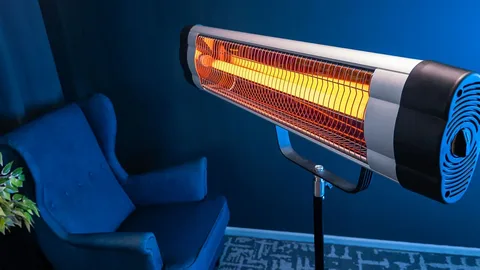
Radiant heating provides an alternative approach to maintaining comfortable temperatures within residential interiors. An infrared home heating system transfers thermal energy directly to people and nearby objects, reducing its reliance on warming the surrounding air before occupants feel the effect. This operating principle distinguishes it from traditional convection-based heating equipment and allows warmth to be directed towards selected areas. Available panel configurations can fit different room styles while avoiding the space requirements of larger portable heaters. For households reviewing their indoor heating options, infrared technology offers a combination of direct heat delivery and adaptable installation, making it suitable for living areas where comfort and practical use of available space are important.
Incorporating Radiant Heating into Contemporary Home Designs
Residential interiors benefit from heating equipment that maintains comfortable conditions without becoming a dominant visual feature. Infrared panels provide radiant warmth through streamlined designs that can blend with different decorative styles. Their understated appearance allows heating installations to complement existing furnishings and architectural details.
Ceiling and wall-mounted configurations provide options for rooms with different dimensions, layouts, and furniture positions. These mounting arrangements also allow households to direct warmth towards regularly occupied areas, making it easier to plan heating around everyday activities.
Rather than depending primarily on warm air circulating throughout a room, infrared panels transfer energy to people and surrounding surfaces. Ongoing developments in panel design and control options offer further flexibility for residential applications. Their adaptable installation and direct heat transfer can contribute to comfortable interiors while preserving a clean and organised appearance.
The Influence of Radiant Heating on Everyday Comfort
Infrared panels emit energy that is absorbed by occupants, furniture, walls, and other surfaces within their coverage area. These materials convert the absorbed energy into heat, helping create a comfortable indoor environment without depending entirely on heated air circulation. Reduced use of forced-air distribution can also mean less disturbance of settled dust.
Direct radiant transfer allows people to receive warmth from nearby panels without first requiring the entire room’s air to reach a particular temperature. Since many systems operate without fans, they can avoid mechanical noise and the draughts associated with some air-based heating equipment. Comfort levels still depend on panel capacity, installation position, and insulation quality. These features make radiant heating suitable for a range of household settings.
The Process behind Heat Transfer in an Infrared Heating System
An infrared heating system generates radiant energy that travels towards nearby occupants, furnishings, and interior surfaces. When these materials absorb the radiation, they convert it into thermal energy and contribute to the warmth of the room. The extent of heat delivery depends on the panel’s output, its position, and the characteristics of the surrounding space.
Most radiant panels do not need fans to distribute warmth, allowing them to operate with minimal mechanical noise. Their relatively straightforward design may also involve fewer moving components than some conventional heating systems. With suitable placement, panels can concentrate warmth in selected areas rather than requiring uniform heating throughout an entire property.
Temperature controls provide an additional way to adjust operation according to room use, household schedules, and preferred conditions. This combination of direct energy transfer and adjustable settings gives infrared heating a flexible role in residential temperature management.
Managing Household Energy Use through Targeted Heating
Radiant heating directs energy towards occupants and surrounding objects, providing a different approach from systems that focus mainly on warming indoor air. Surfaces absorb the radiation and gradually release heat into the room, contributing to indoor comfort. However, overall electricity performance remains dependent on insulation, panel capacity, installation position, temperature settings, and operating hours.
Controlling heating separately in frequently used rooms can help prevent energy being spent on vacant areas. Programmable thermostats and suitable temperature settings can provide further control over daily operation. Infrared panels do not necessarily consume less electricity than all conventional heating systems, as actual results depend on the building and usage conditions.
Reviewing room occupancy, insulation standards, and household routines helps establish appropriate heating schedules. These practical considerations can support more measured energy use while maintaining comfortable temperatures in regularly occupied areas.
Residential Comfort through Infrared House Heating
Infrared house heating provides warmth by directing radiant energy towards occupants and nearby surfaces, offering an alternative to heating methods that depend largely on circulating warm air. Objects within the panel’s effective range absorb this energy and contribute to the surrounding temperature. Suitable panel capacity and positioning are important for achieving the intended level of comfort.
The absence of fan-driven distribution allows many infrared panels to operate quietly, which can be useful in bedrooms, living areas, and other spaces where background noise should remain low. Wall and ceiling mounting options also accommodate different room arrangements, including interiors where available floor space needs to be preserved.
Insulation, installation quality, and temperature regulation all influence the system’s performance. Taking these factors into account helps households assess whether infrared house heating can meet their domestic heating requirements while fitting the layout and everyday use of their property.
Residential Heating Features for Practical Daily Use
Household heating choices often involve balancing temperature control, operating requirements, and the appearance of equipment within the home. Infrared panels provide radiant energy to occupants and nearby surfaces, offering a different method from systems that primarily heat and circulate indoor air. Direct heat delivery can be useful when warmth is required in particular occupied areas.
Wall-mounted and ceiling-mounted models provide flexibility for rooms with varying layouts and available space. Quiet operation helps maintain a comfortable indoor atmosphere, while designs with fewer moving parts may involve less routine mechanical upkeep. Correct panel selection and installation remain necessary for suitable coverage and consistent performance.
Programmable thermostats and compatible smart controls can help coordinate heating with household routines by adjusting temperatures at selected times. These features allow residents to consider room occupancy, preferred settings, and installation requirements when organising indoor heating. Together, they make infrared panels an adaptable option for everyday residential use.
Residential Areas That Can Benefit from Infrared Heating
Infrared heating can be adapted to different parts of a home by matching panel placement and heat output to the needs of each space. Bedrooms and living rooms can benefit from radiant warmth, while wall-mounted or ceiling-mounted designs can help preserve usable space in kitchens. In bathrooms, suitable panels can provide direct warmth while maintaining a clean and uncluttered appearance.
Passageways and entrance spaces may also benefit from targeted heating, particularly where people frequently move through the area. Enclosed verandas, sheltered patios, and garden rooms can become more comfortable during cooler periods when an appropriate system is installed. Flexible mounting arrangements allow infrared panels to fit a variety of layouts, helping deliver warmth across different areas of a property.
Choosing an Infrared Room Heater According to Room Dimensions
An infrared room heater can deliver focused warmth to areas that require additional heating without depending on continuous operation of a central system. Its radiant output reaches occupants and nearby surfaces directly, making it suitable for spaces such as bedrooms, studies, nurseries, and smaller living rooms. Compact models can also fit into interiors where preserving floor area is a priority.
Rather than waiting for circulating air to warm the entire room, infrared equipment begins emitting radiant energy once activated. Choosing a suitable unit requires consideration of room size, insulation, desired heat coverage, and mounting arrangements. Operating noise and product specifications may also affect the selection. Reviewing these details helps households find a model that matches the room’s layout and everyday heating needs.
Achieving Comfortable Temperatures across Occupied Areas
Uneven warmth can affect how comfortable a room feels, particularly when certain areas remain cooler than others. Infrared systems send radiant energy towards occupants, furnishings, and surrounding surfaces instead of depending entirely on heated air moving throughout the space. Suitable panel placement can therefore help deliver warmth to specific parts of a room.
Well-planned coverage may also reduce the need for repeated thermostat changes as indoor conditions fluctuate. This can be important in spacious interiors or rooms with irregular layouts, where one heating source may not provide sufficient coverage on its own. Infrared panels can operate without fan-driven air distribution, helping maintain a quieter environment. Appropriate output, insulation, and positioning all contribute to comfortable conditions across residential spaces.
Arranging Infrared Panels around Room Features and Heating Needs
Panel positioning is an important consideration when planning an infrared heating installation. Wall and ceiling locations offer different ways to distribute radiant energy, depending on the room’s dimensions, available mounting surfaces, and intended use. Furniture, internal partitions, and other physical barriers should be assessed because they may interrupt the panel’s direct coverage.
The building’s insulation also affects heating requirements, while features such as large windows and high ceilings can influence heat retention. Reviewing these conditions before selecting equipment helps determine the required panel capacity and suitable installation points. Adjustable temperature controls can then accommodate changes in occupancy and daily routines. A considered layout helps direct warmth towards regularly used areas and supports the intended performance of the heating system.
Adding Targeted Warmth to Bathrooms with an Infrared Heater Panel
An infrared bathroom heater panel can provide focused warmth in bathrooms where comfortable conditions and efficient use of available space are both important. The panel emits radiant energy towards people and nearby surfaces rather than relying mainly on heated air circulation. This offers a way to improve comfort during colder periods without placing a bulky portable heater on the floor.
Depending on the bathroom layout, wall or ceiling mounting can keep walkways and floor areas unobstructed. The panel’s streamlined profile may also sit neatly alongside modern bathroom fixtures and finishes. Radiant energy begins warming surfaces and occupants within its effective range, although the time required to reach a comfortable temperature varies with room conditions and equipment capacity.
Quiet operation can help maintain a calm atmosphere, while direct heat transfer may make nearby surfaces more comfortable. However, bathroom installations need careful attention to moisture exposure and electrical safety. Selecting equipment specifically rated for the intended bathroom location and arranging installation in accordance with applicable requirements helps support safe and suitable operation.
Conclusion
An infrared heating system warms indoor environments by emitting radiant energy that is absorbed by people and surrounding objects. This direct heat transfer provides a different approach from conventional equipment that relies mainly on raising air temperature. Various models and output capacities can accommodate different household layouts, from compact rooms to larger shared spaces. Their installation flexibility and relatively uncomplicated upkeep may also suit ongoing residential use. When selected according to room requirements, infrared heating can offer focused warmth while complementing modern interiors and preserving usable floor area.
FAQs
Are infrared heaters suitable for heating large indoor areas?
Infrared heaters can contribute to warmth in spacious rooms when their capacity and placement are appropriate for the area. Depending on the layout, multiple units may be needed to reach different occupied zones and provide suitable coverage throughout the space.
Can using infrared heaters change indoor humidity?
Infrared heaters do not normally remove moisture from indoor air because they produce radiant heat rather than relying on a process that extracts humidity. However, changes in room temperature can affect relative humidity readings, even when the actual amount of moisture in the air remains similar.
What distinguishes infrared heating from conventional room heating?
Infrared equipment transfers energy directly to nearby occupants and surfaces, whereas many traditional heaters warm the air and depend on its movement to distribute heat. This difference allows infrared units to provide more localised warmth when positioned towards regularly occupied areas.
| Related Business Listings |
| Contact Directory |
| Local Business Profiles |