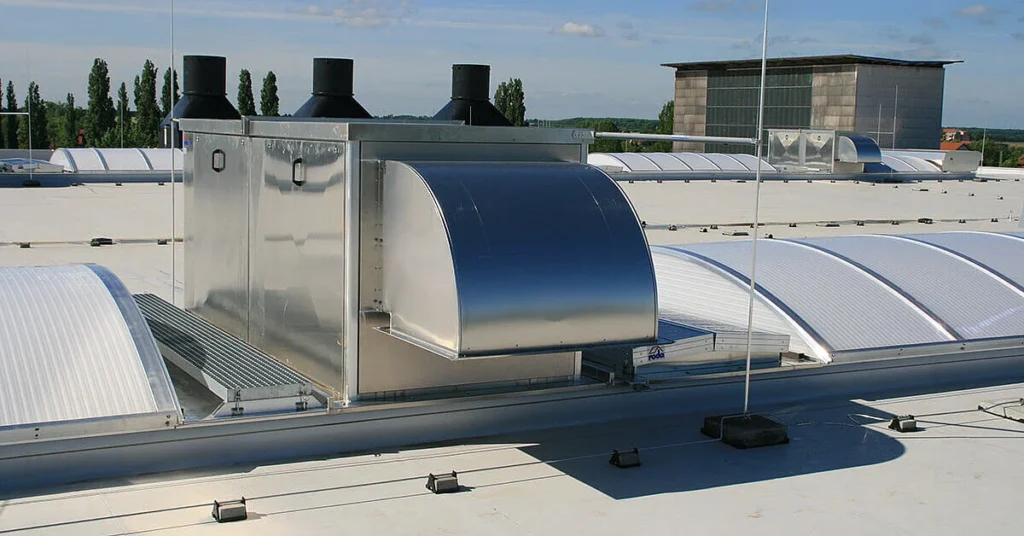
Mechanical ventilation involves systems designed to regulate and circulate air within indoor spaces. These systems play an essential role in creating a comfortable and healthy environment by replacing stale air with fresh air. Unlike natural ventilation, which relies on external factors such as wind or building design, mechanical systems provide consistent air exchange regardless of external conditions. They are particularly effective in spaces where maintaining controlled air quality and proper ventilation is challenging, such as densely occupied buildings or areas with limited access to outdoor air. By integrating advanced components and technology, these systems help ensure that indoor environments remain suitable for a range of applications, from residential to commercial settings. Mechanical air ventilation is integral to modern building design, effectively addressing both comfort and health considerations.
Components of a Mechanical Air Ventilation System
A mechanical air ventilation system comprises several interdependent components that ensure efficient operation. Ventilation fans are a primary feature, designed to facilitate airflow and maintain appropriate pressure levels within a building. These fans vary in type, with axial, centrifugal, and mixed-flow options tailored to specific requirements. Ductwork plays a critical role in directing airflow between indoor spaces.
Properly designed duct systems minimise energy loss and support optimal airflow. Air filters are another essential element, capturing particles such as dust, allergens, and pollutants to improve air quality. In some systems, dampers are installed to regulate air distribution and flow rates effectively.
Additionally, sensors and controllers are increasingly integrated into systems to monitor performance and adapt to changing environmental conditions. Each component functions collaboratively, contributing to the overall reliability and efficiency of the ventilation system.
Types of Mechanical Air Ventilation Systems
Mechanical air ventilation systems can be classified into various types based on their functionality and design. Exhaust-only systems are designed to extract stale air from indoor environments, typically using strategically placed fans. These systems are simple and cost-effective but may create pressure imbalances if not properly managed. Supply-only systems focus on introducing fresh air into a building to ensure a steady flow of outside air but do not actively remove indoor pollutants.
Balanced systems combine both exhaust and supply functions, delivering fresh air while simultaneously removing stale air. This approach provides a more stable and efficient ventilation solution, especially in buildings where consistent air exchange is necessary. Each type of system is suited to specific applications, with the choice depending on factors such as building layout, climate, and air quality requirements. Proper selection ensures optimal system performance and occupant comfort.
The Importance of Air Quality
Indoor air quality directly affects the health and comfort of occupants in any building. Exposure to airborne pollutants, such as dust, mound spores, and chemical vapors, can lead to respiratory issues and allergic reactions. Mechanical air ventilation systems significantly reduce such risks by promoting continuous air circulation. This process ensures that stale air is replaced with cleaner air, maintaining a balance of oxygen and other essential elements.
Furthermore, maintaining optimal air quality can enhance concentration levels and overall productivity in workspaces. By controlling humidity and preventing excessive moisture, these systems also minimise conditions that flavour the growth of mound or mildew.
In spaces with high occupancy, mechanical air ventilation helps to regulate carbon dioxide levels, ensuring the environment remains conducive to health and well-being. Effective air quality management is essential for long-term indoor comfort.
Energy Efficiency in Ventilation Systems
Energy efficiency is a key factor in the operation of mechanical air ventilation systems, ensuring they function effectively while minimising energy consumption. Heat recovery ventilation systems, for example, capture thermal energy from exhaust air to pre-heat or pre-cool incoming fresh air. This process reduces the workload on heating and cooling systems, leading to lower energy use. Advanced motor technologies, such as variable speed drives, also contribute by adjusting fan speeds based on ventilation demands.
Efficient system design further supports energy conservation, with well-insulated ductwork reducing thermal losses. Integrating smart controls and sensors enables precise airflow management, adapting operation to occupancy and indoor air quality. These features not only help maintain optimal performance but also support sustainability efforts by reducing greenhouse gas emissions. Energy-efficient ventilation plays a pivotal role in balancing environmental responsibility with indoor air quality.
Mechanical Air Ventilation in Different Settings
Mechanical air ventilation systems are utilised across various environments, each requiring tailored solutions to address specific needs. In residential settings, these systems are often designed to maintain consistent indoor air quality and comfort, integrating seamlessly with heating and cooling systems.
Commercial buildings, such as offices and retail spaces, require higher-capacity systems to accommodate larger areas and higher occupancy levels. Industrial facilities often rely on robust ventilation to manage contaminants, regulate temperatures, and maintain worker safety.
Healthcare environments utilise specialised systems to ensure sterile conditions and control airborne pathogens. Educational institutions also benefit from ventilation systems designed to maintain air quality in densely occupied spaces. Each setting necessitates careful planning to meet functional and environmental requirements effectively.
Regulations and Standards
Compliance with regulations and standards ensures mechanical air ventilation systems operate effectively and safely. Building codes define specific ventilation requirements, including minimum airflow rates and system design criteria, tailored to various building types and uses. Health and safety standards focus on maintaining acceptable indoor air quality to protect occupant well-being.
Additionally, energy efficiency regulations promote the adoption of environmentally sustainable systems. Adhering to these standards is essential for meeting legal obligations and achieving optimal system performance. Regular audits and inspections may be required to verify compliance and ensure systems remain aligned with evolving guidelines.
By following established regulations, mechanical air ventilation systems contribute to healthier, safer, and more efficient indoor environments across residential, commercial, and industrial applications.
Installation of Mechanical Ventilation Systems
The installation of mechanical ventilation systems necessitates meticulous planning to ensure optimal functionality. The process begins with evaluating the building’s specific ventilation requirements, taking into account factors such as occupancy, layout, and air quality needs. Selecting the appropriate system components, including fans, ductwork, and filters, is critical for achieving efficient operation. Precise placement of ducting and equipment ensures consistent airflow and minimises energy loss.
Attention to detail during installation, such as sealing ducts and securing components, prevents performance issues. Coordination with other building systems, such as heating or cooling units, enhances overall integration and efficiency. Adherence to building codes and standards throughout the installation phase is essential to ensure safety, regulatory compliance, and system performance as intended.
Maintenance of Mechanical Air Ventilation Systems
Regular upkeep of mechanical air ventilation systems is crucial for maintaining their functionality and efficiency. Cleaning and replacing air filters at recommended intervals help to prevent the build-up of dust and debris, ensuring consistent airflow. Inspecting ductwork for leaks or obstructions is essential to optimise system performance and minimise energy loss. Components such as fans and dampers should be checked periodically to identify wear or damage that could impact operation.
Advanced systems with integrated sensors may require software updates to maintain accurate monitoring and control. Lubricating moving parts where applicable reduces friction, extending the lifespan of mechanical components. Scheduling professional inspections can further ensure that all elements operate as intended and adhere to safety and regulatory standards.
Innovations in Mechanical Air Ventilation
Technological advancements are transforming mechanical air ventilation systems, offering enhanced performance and efficiency. Smart ventilation systems represent a key innovation, using sensors to monitor real-time air quality and adjust airflow accordingly. This capability not only optimises energy use but also ensures consistently healthy indoor environments. Enhanced filtration technologies are being incorporated to target finer particles and airborne pathogens, improving overall air purity.
Furthermore, the integration of Internet of Things (IoT) technology enables seamless connectivity with building management systems, allowing for automated control and predictive maintenance. Innovations in energy recovery, such as advanced heat exchange methods, are also emerging, further reducing energy consumption. These developments highlight the growing role of technology in addressing modern ventilation challenges.
Benefits of Mechanical Air Ventilation
Mechanical air ventilation systems deliver controlled, continuous air circulation, which is essential for maintaining a balanced indoor environment. These systems efficiently manage humidity levels, reducing the risk of dampness and mound formation. By promoting airflow, they help prevent the accumulation of airborne pollutants, including allergens and volatile organic compounds. Proper ventilation also supports the durability of building structures by minimising moisture-related damage.
Additionally, they contribute to a stable indoor climate, enhancing thermal comfort. Through their consistent operation, mechanical air ventilation systems play a pivotal role in fostering healthier, safer, and more comfortable living and working spaces.
Environmental Impact of Ventilation Systems
Mechanical air ventilation systems play a significant role in addressing environmental concerns when designed with sustainability in mind. Advanced systems incorporating energy recovery technologies, such as heat exchangers, optimise energy use by reducing reliance on external heating or cooling sources.
Properly maintained systems also minimise energy waste, contributing to overall efficiency. Additionally, integrating eco-friendly materials and components into manufacturing further reduces the environmental footprint of the manufacturing process.
By supporting energy-efficient building operations, these systems align with global efforts to promote sustainable practices, reduce greenhouse gas emissions, and conserve natural resources while maintaining healthy indoor environments.
Conclusion
Mechanical ventilation systems are essential across Australia for maintaining healthy indoor environments and safeguarding building structures. By replacing stale, contaminated indoor air with fresh outdoor air, these systems effectively regulate humidity levels, dilute airborne pollutants, and prevent harmful mound growth. Advanced balanced systems featuring heat recovery technology maximize energy efficiency, significantly reducing reliance on supplementary heating and cooling appliances. Regular maintenance, including filter replacements and duct inspections, ensures sustained operational efficiency. Ultimately, investing in a high-performance mechanical air ventilation system fosters a comfortable, safe, and eco-friendly living or working space that satisfies modern Australian standards.
FAQs
What is the primary purpose of a mechanical ventilation system?
A mechanical ventilation system provides continuous, controlled airflow across Australia to maintain optimal indoor air quality. By actively extracting stale indoor air and replacing it with fresh outdoor air, the system dilutes indoor pollutants, manages excess humidity, and removes allergens, thereby creating a safer and far healthier indoor living environment for all occupants.
How do balanced mechanical air ventilation systems operate?
Balanced mechanical air ventilation systems concurrently manage both supply and exhaust airflow functions across Australia. Powered fans actively introduce fresh, filtered outdoor air while simultaneously extracting stale indoor air at equal rates. This balanced operation maintains consistent indoor air pressure, optimizes airflow distribution, and delivers superior climate control throughout residential and commercial properties.
What are the main energy efficiency benefits of heat recovery ventilation?
Heat recovery ventilation captures thermal energy from outgoing stale air and transfers it to incoming fresh air across Australia. During winter, it pre-heats incoming cool air, while in summer, it cools incoming warm air. This process drastically reduces the operational workload on primary heating and cooling systems, lowering electricity consumption.
What routine maintenance steps are required for mechanical air ventilation?
Routine maintenance includes inspecting, cleaning, or replacing air filters every three to six months across Australia. Property owners should regularly check ductwork for dust buildup or air leaks, clean supply registers, and ensure fan components operate smoothly. Annual professional servicing confirms sensor accuracy, verifies electrical connections, and maintains peak system efficiency.
Why is mechanical air ventilation necessary in modern Australian homes?
Modern Australian homes are constructed with airtight building envelopes to improve thermal performance and energy efficiency. While beneficial for insulation, airtight construction traps moisture, carbon dioxide, and household pollutants indoors. Mechanical air ventilation is necessary to ensure continuous fresh air exchange, preventing condensation, timber decay, and toxic mound growth.
| Related Business Listings |
| Contact Directory |
| Local Business Profiles |