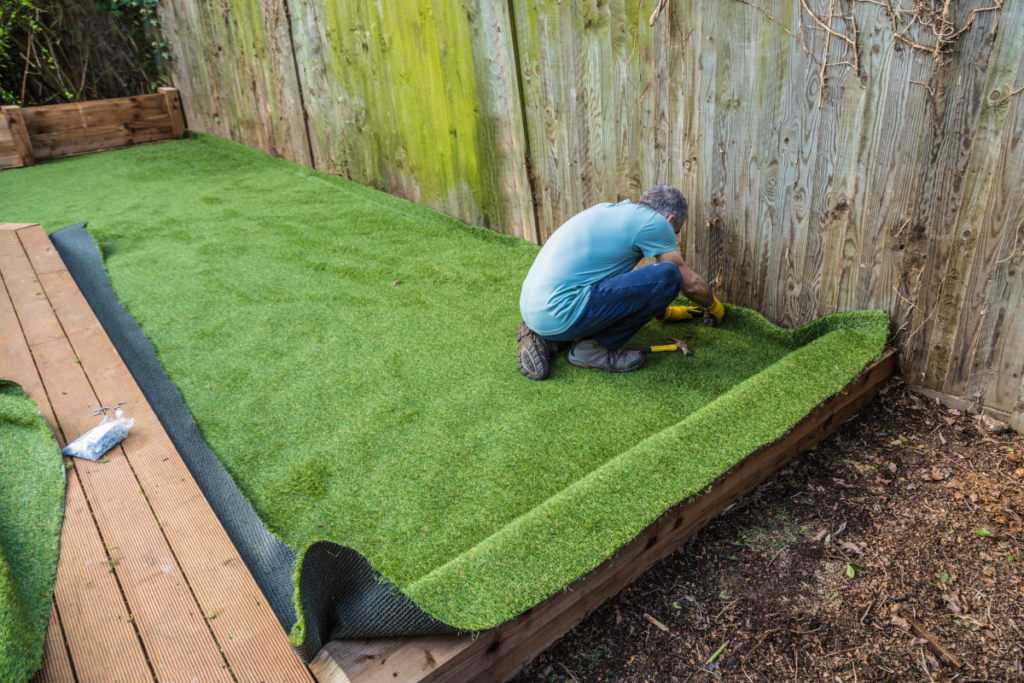
A beautiful yard should be more than something that looks good from the street. It should be a comfortable part of the property that supports everyday activities, complements the home, and remains practical to maintain. For homeowners in Dallas County, creating that type of outdoor space requires thoughtful planning because local weather can bring intense summer heat, periods of limited rainfall, and occasional heavy storms.
Synthetic turf installation in Dallas County TX can be a practical option for homeowners who want a consistent grass like surface in selected areas of their property. When combined with custom landscape design in Dallas, synthetic turf can work alongside trees, shrubs, planting beds, patios, pathways, and outdoor living areas to create a complete landscape.
The most successful projects are not based on one material or trend. They are planned around the property’s conditions, the homeowner’s lifestyle, and realistic maintenance needs.
What Is Synthetic Turf?
Synthetic turf is a manufactured grass surface designed to resemble natural grass. Modern products are available in different textures, blade heights, colors, and levels of softness. This gives homeowners options based on where the turf will be installed and how the space will be used.
Synthetic turf may be suitable for backyard recreation areas, pet spaces, pool surroundings, and selected lawn areas. It can also be incorporated into larger landscape projects where a consistent green surface is desired.
However, synthetic turf does not have to replace every natural area. In fact, combining it with trees, shrubs, flowers, mulch, stone, and other landscape features can create a more balanced appearance.
The important question is not whether every part of a yard should have turf. Instead, homeowners should consider where synthetic turf makes sense for their property.
Why Consider Synthetic Turf in Dallas County?
Traditional lawns can require regular mowing, watering, edging, fertilizing, and general care. During hot weather, maintaining a healthy lawn can become more demanding.
Synthetic turf can reduce some routine lawn care activities because it does not need to be mowed like natural grass. It can also maintain a consistent appearance in areas where natural grass may become stressed.
Dallas has ongoing water conservation and landscape management requirements, making thoughtful landscape planning especially important. The City of Dallas maintains current guidance covering landscape irrigation and water conservation practices.
Potential reasons to consider synthetic turf include:
- A consistent green appearance throughout the year
- Less routine mowing than natural grass
- A practical surface for selected recreation and pet areas
- Greater flexibility when planning different outdoor zones
- Reduced need for some traditional lawn care activities
The actual benefits depend on the turf product, installation quality, property conditions, drainage, and ongoing care.
Proper Synthetic Turf Installation Starts With Preparation
Good synthetic turf installation involves much more than rolling out artificial grass. The surface underneath the turf plays an important role in the finished result.
Before installation begins, the area should be evaluated for existing vegetation, soil conditions, grading, drainage, and expected use. Any unsuitable material or uneven sections may need to be addressed before the installation proceeds.
Preparing the Ground
Existing grass, weeds, debris, and other unwanted materials may need to be removed. The ground can then be shaped and prepared to create a stable foundation.
A properly prepared base can help support a smoother finished surface. It can also reduce the possibility of movement or uneven areas developing over time.
The amount of preparation needed can vary from one property to another. A small decorative area may have different requirements from a large backyard used regularly by children or pets.
Choosing Turf for the Intended Use
Not every synthetic turf product is the same. Homeowners should consider how the area will be used before selecting a product.
A family recreation area may benefit from a different texture and construction than a decorative landscape section. Pet areas may require additional attention to drainage and cleaning.
A professional evaluation can help property owners understand which characteristics are appropriate for their particular project.
Drainage Should Be Considered Before Installation
Drainage is one of the most important parts of outdoor planning. A yard needs a practical way to move water away from structures and frequently used areas.
Synthetic turf should not be installed to hide an existing drainage problem. The underlying surface, slope, surrounding landscape, and existing drainage features all influence how water moves.
Dallas landscape requirements and planning resources also place importance on irrigation, soil, and landscape design considerations. Current city documents include irrigation plan requirements and landscape related resources.
Why Site Grading Matters
A properly planned slope can help direct water toward appropriate drainage areas. Low spots may need attention before turf or hardscape is installed.
Addressing these concerns during the design stage can be much easier than correcting them after the landscape has been completed.
The Value of Custom Landscape Design in Dallas
A yard can have beautiful individual features and still feel disconnected if those features are not planned together. Custom landscape design in Dallas focuses on the entire outdoor environment.
Instead of choosing turf, plants, patios, and pathways separately, a custom plan considers how each feature will interact with the others.
A complete landscape may include synthetic turf, trees, shrubs, planting beds, patios, walkways, seating areas, lighting, decorative stone, and other outdoor features.
The goal is to create a space that looks natural, supports everyday use, and fits the property’s layout.
Designing Around How You Use Your Yard
The best landscape designs are based on real needs. A family may want a large open area for children. Pet owners may need a durable and convenient space. Homeowners who enjoy entertaining may want a patio with seating and an outdoor dining area.
Others may want more privacy, shade, gardening space, or a quiet area for relaxation.
Understanding these priorities before installation makes it easier to determine which parts of the property should receive the most attention.
Creating Functional Outdoor Zones
A large yard can be divided into different areas without making the space feel crowded. Synthetic turf can provide an open recreation area, while a patio can create a place for dining or entertaining.
Planting beds can define boundaries, while trees and shrubs can provide shade, privacy, and visual structure. Walkways can connect the various areas and make movement through the yard easier.
Each zone can serve a different purpose while still contributing to one overall design.
Selecting Plants for Dallas Conditions
Plants should be selected based on the actual conditions of the property. Sun exposure, soil, drainage, available space, and watering needs can all influence plant health.
Choosing plants simply because they look attractive at a garden center may not produce the best long term result. Plants need to be appropriate for their location and have enough room to develop.
Dallas landscape guidance includes considerations for drought tolerant plants, planting areas, irrigation, and water efficiency.
Combining Natural Landscaping With Synthetic Turf
Synthetic turf can work especially well when it is balanced with natural landscaping.
Trees can provide height and shade. Shrubs can define spaces and add privacy. Flowering plants can bring seasonal color, while mulch and decorative stone can create clean transitions around turf.
This approach can prevent the landscape from looking overly uniform. It also gives homeowners the flexibility to use synthetic turf only where it provides the most value.
Adding Hardscape to Your Landscape
Hardscape features can improve both the appearance and function of an outdoor space. Patios, pathways, seating areas, decorative stone, and other surfaces can give the landscape structure.
A patio near the home can provide a convenient space for outdoor meals. A walkway can connect the patio with a turf area or garden. A seating area beneath a suitable tree can create a comfortable place to relax.
Creating Better Connections
A good landscape should have a natural flow. People should be able to move comfortably between the home, patio, turf, garden, and other outdoor areas.
Using complementary materials throughout the design can also help the landscape feel connected rather than divided into unrelated sections.
Common Mistakes to Avoid
Planning mistakes can affect the appearance, cost, and usability of a landscape. Focusing only on the visual result may cause homeowners to overlook practical concerns.
Common issues include:
- Installing turf without proper ground preparation
- Ignoring drainage and water movement
- Selecting plants without considering sunlight and soil
- Using more turf than the property actually needs
- Forgetting pathways and future maintenance
A complete design can help identify these concerns before installation begins.
Maintaining Your Finished Outdoor Space
Synthetic turf can reduce some routine lawn care, but it still needs regular attention. Leaves, dirt, and other debris can collect on the surface and should be removed.
Pet areas may require additional cleaning. Frequently used areas should also be checked periodically for signs of wear or other concerns.
Natural landscaping requires care as well. Trees and shrubs may need pruning, planting beds may need maintenance, and irrigation systems should be inspected when necessary.
A low maintenance landscape does not mean a maintenance free landscape. It means the design can make routine care more manageable.
Planning Your Investment
Before beginning a landscaping project, homeowners should think about both current and future needs.
Consider how the property will be used, how much open space is necessary, which areas receive the most sunlight, and how much maintenance is comfortable for the household.
Budget planning is equally important. Establishing priorities can help homeowners decide which features should be completed first and which improvements can be added later.
A professional site assessment can also help identify drainage, grading, plant placement, and material considerations before installation begins.
Why Professional Planning Can Make a Difference
Landscaping involves more than placing turf and plants around a property. The relationship between materials, drainage, plants, pathways, and outdoor living spaces affects the final result.
Professional planning can help property owners make decisions based on the actual characteristics of their yard. It can also provide a clearer vision of how the finished landscape will look and function.
For projects that involve irrigation or regulated landscape improvements, checking current local requirements is also important. Dallas maintains updated forms and guidance for landscape and irrigation projects.
Creating a Landscape That Fits Your Home
There is no single landscaping formula that works for every Dallas property. A compact yard may benefit from carefully selected turf and planting areas, while a larger property may allow room for multiple outdoor zones.
The best design balances open space with natural elements and hardscape. Synthetic turf can provide a practical surface, while trees and plants add natural character. Patios and pathways can improve usability, while lighting and seating can make the space more enjoyable.
A successful landscape should feel like a natural extension of the home.
Conclusion
Synthetic turf installation in Dallas County TX can be a practical choice for homeowners who want a consistent lawn like appearance while reducing some traditional lawn care tasks. Proper preparation, drainage planning, suitable materials, and regular maintenance all play important roles in achieving a successful result.
Custom landscape design in Dallas can bring synthetic turf together with trees, plants, patios, pathways, seating areas, and other outdoor features. By planning the entire property instead of focusing on individual elements, homeowners can create an outdoor space that is attractive, functional, and suited to everyday life.
For homeowners who want professional help bringing these ideas together, Prestige Landscape can create a thoughtful outdoor solution based on the property’s layout, lifestyle needs, and long term goals.