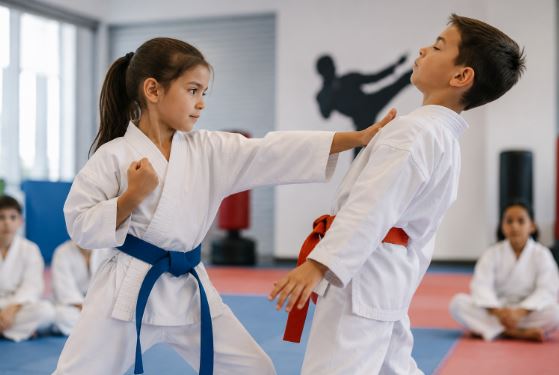
In 2026, parents are becoming increasingly aware of the importance of safety education for children, especially when considering options like kids self defense in Minneapolis. Beyond just physical protection, self-defense classes offer children a foundation of confidence, awareness, and discipline that benefits them throughout life. These programs are designed not to promote aggression, but to empower kids with the ability to protect themselves, make smart decisions, and develop strong character traits.
Below are the top reasons why enrolling your child in self-defense classes can be one of the most valuable decisions you make for their development.
1. Builds Confidence and Self-Esteem
One of the most noticeable benefits of self-defense training is the boost in a child’s confidence. When children learn how to defend themselves, they naturally begin to feel more secure in their surroundings. This sense of safety translates into improved self-esteem.
As kids progress through training, they achieve small milestones—learning a new move, mastering a technique, or successfully completing a drill. These achievements help them realize that they are capable of learning complex skills through practice and persistence. Over time, they start to carry themselves with greater assurance in school, social settings, and everyday life.
2. Teaches Situational Awareness
Self-defense is not just about physical techniques; it is equally about awareness. Children are taught how to observe their environment, recognize potential risks, and respond appropriately.
This includes simple but important habits such as:
- Paying attention to surroundings
- Avoiding distractions like phones when walking
- Recognizing unsafe situations early
- Trusting their instincts when something feels wrong
These skills help children make safer choices without instilling fear, but rather promoting mindfulness and responsibility.
3. Helps Prevent Bullying
Bullying remains a concern in many schools, and self-defense training can play an important role in addressing it. Children who attend self-defense classes often develop stronger body language, clearer communication skills, and improved confidence, making them less likely to be targeted by bullies.
Additionally, they learn how to de-escalate situations verbally and avoid physical confrontation whenever possible. The emphasis is not on fighting back aggressively, but on staying calm, setting boundaries, and knowing when to seek help from trusted adults.
This combination of confidence and awareness often reduces the likelihood of repeated bullying.
4. Improves Physical Fitness and Health
Self-defense training is an engaging way for children to stay active. Unlike traditional exercise routines that may feel repetitive, martial arts and self-defense classes are dynamic and fun.
Children improve:
- Strength and flexibility
- Coordination and balance
- Cardiovascular endurance
- Overall motor skills
Regular physical activity also supports healthy growth, better posture, and improved energy levels. In an age where screen time is increasing, self-defense classes provide a structured and enjoyable way to stay fit.
5. Encourages Discipline and Focus
Discipline is a core principle of self-defense training. Children are expected to listen carefully to instructors, follow instructions, and practice techniques consistently. This structured environment helps develop focus and patience.
Over time, kids learn the value of effort and repetition. They understand that improvement comes from practice, not instant results. This mindset often carries over into academics, helping them perform better in school and manage tasks with greater responsibility.
6. Develops Respect for Others
Respect is deeply embedded in self-defense programs. Children are taught to respect their instructors, peers, and themselves. They also learn that self-defense is a responsibility, not a tool for aggression.
Through training, kids begin to understand:
- The importance of listening
- The value of teamwork
- How to handle conflicts peacefully
- Why strength should be used responsibly
This respectful attitude helps shape them into thoughtful and considerate individuals both inside and outside the training environment.
7. Teaches Practical Life Skills
Self-defense classes often go beyond physical techniques and introduce valuable life skills. Children learn how to stay calm under pressure, think critically in stressful situations, and make quick decisions.
These skills are useful in many aspects of life, such as:
- Handling school challenges
- Dealing with peer pressure
- Managing fear or anxiety
- Solving problems independently
By learning how to respond rather than react impulsively, children gain emotional maturity at an early age.
8. Builds Social Skills and Friendships
Self-defense classes provide a supportive group environment where children interact with peers who share similar goals. This helps improve communication skills and encourages teamwork.
Many children form strong friendships through training, as they encourage each other and celebrate progress together. The shared experience of learning something challenging fosters a sense of belonging and community.
For shy or introverted children, this environment can be especially helpful in building social confidence.
9. Prepares Kids for Real-World Situations
While the hope is that children never have to use self-defense techniques in real life, being prepared provides peace of mind for both kids and parents. Training equips children with the ability to respond appropriately if they ever find themselves in an uncomfortable or unsafe situation.
More importantly, they are taught that avoidance and escape are always the first options. The goal is safety, not confrontation. This balanced approach ensures that children are prepared without being fearful.
10. Encourages Long-Term Personal Growth
The benefits of self-defense training extend far beyond childhood. The habits formed—discipline, confidence, respect, and resilience—carry into teenage years and adulthood.
Children who train consistently often grow into adults who are:
- More self-assured
- Better at handling stress
- Physically active
- Strong communicators
- Respectful and responsible
These lifelong benefits make self-defense one of the most holistic developmental activities a child can participate in.
Final Thoughts
Enrolling your child in self-defense classes is more than just a safety decision—it is an investment in their overall growth and well-being. From confidence building and physical fitness to discipline and emotional intelligence, the advantages are wide-ranging and long-lasting.
In a world where challenges can appear unexpectedly, giving children the tools to navigate life safely and confidently is one of the greatest gifts a parent can provide. Self-defense training empowers children not just to protect themselves, but to grow into strong, capable, and respectful individuals ready to face the world with confidence.