in home care services for seniors
Growing older often brings new challenges, but it should never mean giving up independence or the comfort of living at home. Across the United States, millions of older adults want to remain in familiar surroundings while receiving the care they need. That is why in home care services for seniors have become one of the fastest-growing healthcare and caregiving solutions. Families increasingly recognize that personalized care at home allows seniors to maintain dignity, routines, and meaningful relationships without relocating to institutional care.
Many families face difficult decisions when an aging parent begins struggling with daily activities. Questions about safety, medication management, mobility, and companionship can quickly become overwhelming. While nursing homes remain necessary for some individuals, many seniors only need regular support to continue living independently. Professional in home care services for seniors bridge that gap by providing customized assistance tailored to individual needs.
I have seen families experience enormous relief after arranging quality home care. Instead of worrying every hour about whether a loved one has eaten, taken medication, or safely moved around the house, they gain peace of mind knowing trained caregivers are providing compassionate support. Seniors also benefit emotionally because they remain surrounded by familiar memories and cherished belongings.
According to AARP, nearly 77% of adults over age 50 prefer to remain in their own homes as they age. This preference continues driving demand for personalized home care throughout the United States. Meanwhile, the U.S. Census Bureau projects that adults aged 65 and older will continue growing rapidly over the coming decades, making accessible home-based care increasingly important.
This article explores why in home care services for seniors matter, the challenges families face, how professional caregivers provide practical solutions, and why home care is becoming the preferred option for healthy aging.
The Problem: Why Aging at Home Has Become More Challenging
Growing older naturally changes how people perform everyday activities. Simple routines such as preparing meals, climbing stairs, bathing, driving, or remembering medications may gradually become difficult. Many seniors want to remain independent but hesitate to admit when they need help because they fear losing control over their lives.
Families often notice warning signs slowly. A once-organized home becomes cluttered. Groceries remain untouched. Missed medications become more common. Falls become a greater concern, especially when older adults live alone. These situations increase stress for everyone involved while raising the risk of hospitalization or emergency care.
The Centers for Disease Control and Prevention reports that one in four Americans aged 65 and older falls each year, making falls one of the leading causes of injury among older adults. Many of these accidents happen inside the home, where proper supervision, mobility assistance, and environmental improvements can significantly reduce risks.
Another growing concern is caregiver burnout. Family members frequently juggle careers, children, and household responsibilities while trying to provide full-time support for aging parents. Over time, physical exhaustion and emotional stress affect both caregivers and seniors, making professional assistance increasingly valuable.
This is where in home care services for seniors become an important solution. Instead of waiting until a crisis forces institutional care, families can introduce professional assistance early, allowing seniors to continue enjoying daily life safely within their own homes.
Agitating the Challenge: When Small Problems Become Serious
Many families underestimate how quickly small challenges can escalate into serious health concerns. Missing medications for several days can worsen chronic illnesses. Poor nutrition may weaken the immune system. Limited mobility often leads to muscle loss, making falls even more likely.
Social isolation creates another hidden problem. According to the National Institute on Aging, loneliness among older adults is associated with higher risks of depression, cognitive decline, heart disease, and reduced overall health. Seniors living alone may spend entire days without meaningful conversation or social interaction.
I have personally spoken with caregivers who describe situations where seniors simply stopped cooking because standing became painful. Others skipped doctor appointments because transportation was unavailable. These issues appear manageable individually but collectively affect long-term health and independence.
Hospital readmissions also remain expensive for families and healthcare providers. Preventable complications often occur because seniors lack consistent support following surgery or illness. Professional in home care services for seniors help monitor recovery, encourage healthy habits, and identify warning signs before medical emergencies develop.
The emotional impact cannot be ignored either. Seniors frequently worry about becoming a burden on their children, while adult children experience constant anxiety wondering whether their parents are safe. This emotional strain affects entire families until dependable care solutions are established.
The Solution: How In Home Care Services for Seniors Improve Daily Living
Professional in home care services for seniors focus on helping older adults remain independent while receiving personalized assistance based on individual needs. Care plans vary from occasional companionship visits to comprehensive daily support, allowing families to choose services that fit changing circumstances.
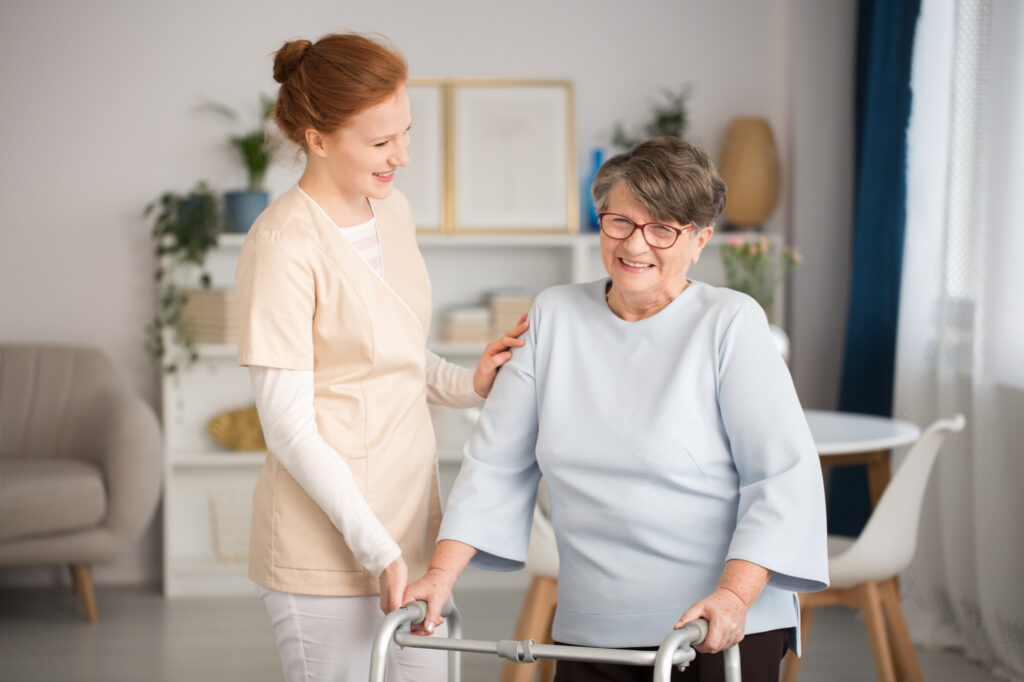
Caregivers commonly assist with bathing, dressing, meal preparation, medication reminders, mobility support, housekeeping, transportation, and companionship. Rather than replacing independence, these services encourage seniors to continue participating in daily activities while receiving appropriate assistance when needed.
One especially valuable service is occupational therapy for elderly at home. Occupational therapists evaluate how seniors perform everyday tasks and recommend safer techniques, adaptive equipment, and home modifications. Their goal is to maximize independence while reducing injury risks through practical solutions tailored to each individual’s abilities.
Another advantage involves personalized scheduling. Unlike institutional settings with fixed routines, in home care services for seniors adapt to the senior’s preferred lifestyle. Morning routines, favorite meals, hobbies, religious practices, and family visits remain part of everyday life, preserving emotional well-being alongside physical health.
Many providers also coordinate closely with physicians, physical therapists, nurses, and family members. This collaborative approach ensures everyone remains informed about changing health conditions while improving continuity of care and reducing unnecessary hospital visits.
Personalized Care Makes Every Senior’s Experience Different
No two seniors require identical support. Some individuals need only weekly housekeeping assistance, while others require daily personal care following surgery or illness. The flexibility offered by in home care services for seniors allows care plans to evolve as health conditions change over time.
Older adults recovering from strokes often benefit from occupational therapy for elderly at home, where therapists help restore independence in dressing, cooking, grooming, and household tasks. Therapy occurs within familiar surroundings, making recommendations more practical because they address the actual home environment.
For seniors living with arthritis, Parkinson’s disease, dementia, or limited mobility, home care professionals develop routines that encourage safe movement while preserving dignity. Small adjustments such as installing grab bars, improving lighting, reorganizing frequently used items, and recommending mobility aids significantly improve daily safety.
Companionship remains equally valuable. Caregivers often become trusted companions who share meals, play games, accompany seniors on walks, or simply spend time talking. Emotional connection reduces loneliness while encouraging greater participation in everyday activities.
Families also appreciate improved communication. Professional caregivers document observations, report concerns promptly, and keep relatives updated on medications, nutrition, mood changes, and overall well-being. This transparency helps everyone make informed healthcare decisions together.
Real-World Success Stories from the United States
Across America, home-based senior care continues producing measurable improvements in quality of life. One notable example comes from the Johns Hopkins Hospital at Home program, which demonstrated that selected patients receiving hospital-level care at home experienced lower complication rates, shorter recovery periods, and higher patient satisfaction compared to traditional hospitalization.
Another example involves home healthcare agencies across Michigan, Florida, Texas, and California that increasingly integrate nursing care, rehabilitation, and occupational therapy for elderly at home into coordinated care plans. These services allow seniors recovering from surgery or chronic illnesses to regain independence without extended institutional stays.
According to Genworth’s annual Cost of Care Survey, receiving assistance through in home care services for seniors may also provide greater flexibility compared to long-term residential care, particularly when only part-time support is needed. Families can customize schedules according to actual needs instead of paying for full-time institutional services.
I have also heard many family caregivers describe remarkable improvements after introducing professional support just a few hours each week. Seniors often regain confidence, maintain healthier routines, and enjoy more social interaction simply because someone consistently encourages positive daily habits.
These examples demonstrate that successful aging does not always require moving away from home. With the right combination of professional assistance, therapy, family involvement, and preventive care, older adults frequently continue living safely and comfortably for many years.
Choosing the Right In Home Care Services for Seniors
Selecting the right provider requires thoughtful research rather than focusing solely on price. Families should verify licensing requirements, caregiver background checks, staff training, emergency procedures, and communication practices before making a decision.
Experience with specialized conditions also matters. Seniors living with Alzheimer’s disease, Parkinson’s disease, diabetes, stroke recovery, or mobility limitations benefit from caregivers trained specifically for those health concerns. Providers offering occupational therapy for elderly at home can further improve long-term independence through targeted rehabilitation strategies.
Scheduling flexibility represents another important factor. Reliable in home care services for seniors should accommodate changing care needs, whether assistance is required for a few weekly visits or around-the-clock support during recovery periods.
Families should ask detailed questions during consultations, including how care plans are developed, how caregivers are matched with clients, how emergencies are handled, and how family members receive ongoing updates. Clear communication builds trust while ensuring expectations remain aligned.
Finally, involve the senior whenever possible. Allowing older adults to participate in care decisions increases acceptance, preserves dignity, and creates stronger relationships between caregivers, families, and healthcare professionals.
Conclusion
The desire to remain at home is deeply personal for many older adults. Familiar surroundings provide comfort, stability, independence, and emotional security that cannot easily be replaced. Fortunately, modern in home care services for seniors make this goal increasingly achievable through personalized, flexible, and compassionate support.
Rather than waiting until health problems become emergencies, families should consider early intervention that encourages independence while reducing risks. Services ranging from companionship and personal care to occupational therapy for elderly at home help seniors continue enjoying meaningful lives without sacrificing safety.
As America’s senior population continues growing, the importance of quality in home care services for seniors will only increase. Families who invest in proactive home care often discover that even small amounts of professional support dramatically improve daily living, reduce caregiver stress, and enhance overall well-being.
Every family deserves confidence that their loved ones are receiving respectful, dependable care. By choosing experienced providers, encouraging open communication, and creating personalized care plans, seniors can continue living safely, comfortably, and independently in the place they value most—their own home.