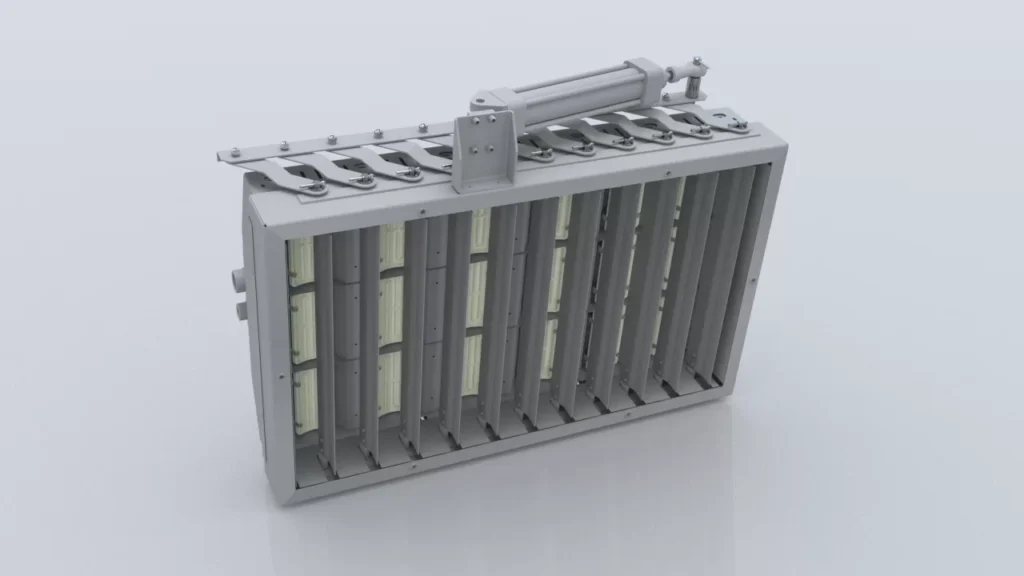
Infrared heating panels offer a targeted approach to residential warmth while supporting more efficient household energy management. An IR heating panel uses infrared radiation to transfer thermal energy towards surrounding surfaces and objects instead of relying mainly on heated air circulation. This method can help maintain comfortable indoor temperatures by concentrating warmth within occupied areas where it is needed. Compared with conventional convection heating, infrared technology provides direct heat distribution with less dependence on continuous air movement. As residential energy efficiency and environmentally conscious heating become increasingly important, understanding the operational characteristics of infrared systems can help clarify their suitability for sustainable home temperature control.
Efficient Heat Distribution with Infrared Panels
Infrared heating panels can support comfortable indoor temperatures while allowing household energy use to be managed more selectively. Instead of relying mainly on heated air to spread warmth, these panels emit infrared radiation that transfers thermal energy directly to nearby surfaces and objects. This approach allows heat to remain concentrated around occupied areas and may reduce the energy required compared with systems that continuously warm the air throughout an entire room.
The absence of extensive ductwork or continuous fan operation can provide another efficiency benefit. By directing radiant energy towards areas requiring warmth, infrared panels can reduce some losses associated with circulating heated air through a space. Focused heat distribution combined with controlled operation provides a practical approach to maintaining comfortable temperatures while supporting broader household efforts to use energy more responsibly.
Smarter Temperature Control through Infrared Technology
Modern infrared heating systems can provide effective temperature management through direct radiant energy transfer. Rather than heating surrounding air first, infrared panels emit thermal radiation towards nearby surfaces and objects. This can limit certain losses associated with distributing heated air throughout a room while delivering warmth more directly to required areas. Their responsive heating effect can also help establish comfortable temperatures without prolonged operation.
Zone-based heating offers further flexibility by allowing individual rooms or occupied areas to receive warmth according to actual requirements. This can help avoid unnecessary energy use in spaces that are not currently occupied. Since infrared systems do not require fans or extensive duct networks to distribute heat, they can also reduce the electricity associated with mechanical air movement.
Continued developments in infrared technology have introduced improved controls and operating capabilities. These advances allow radiant heating systems to provide practical temperature management while enabling energy use to remain more closely matched with occupancy patterns and specific heating requirements.
Targeted Radiant Heating for Lower Energy Waste
Infrared heating panels can help reduce unnecessary energy use by directing warmth towards occupied areas, surfaces, and objects instead of uniformly heating every part of a room. Conventional heating systems often raise the temperature of surrounding air throughout an entire space, including areas where active heating may not be necessary. Infrared technology transfers thermal energy directly towards selected areas, allowing heat distribution to correspond more closely with actual room usage.
Direct radiant transfer can also reduce the need to continually heat large volumes of indoor air. This may help limit certain thermal losses while maintaining a consistent feeling of warmth around occupied sections. By combining targeted heat delivery with controlled operation, infrared panels can give households a practical means of using heating energy more selectively while continuing to maintain comfortable indoor conditions.
Lower Heating Impact through Efficient Radiant Technology
Infrared heating panels can support lower heating-related emissions by promoting efficient energy consumption and targeted warmth distribution. Instead of depending mainly on heated air, the technology transfers infrared energy directly to surfaces and objects, which may reduce the energy required to reach suitable indoor temperatures. When electricity is supplied by renewable or lower-emission sources, lower energy demand can further reduce the environmental impact associated with household heating.
Infrared systems can operate alongside renewable technologies such as solar and wind generation, allowing radiant heating to form part of broader household energy strategies. Direct heat transfer can also reduce unnecessary conditioning by focusing warmth on selected rooms or areas rather than maintaining uniform heating throughout an entire property.
Heating zones provide another way to manage consumption, allowing different areas to operate according to occupancy and actual heating requirements. Developments in infrared technology have also improved control functions and operating efficiency, supporting measured energy use alongside effective temperature management. These characteristics make infrared heating relevant to residential and commercial environments seeking more considered approaches to indoor warmth.
Environmental Factors Associated with Radiant Panels
Radiant panels can provide environmental benefits through direct heat transfer and relatively simple system construction. By transferring thermal energy to surfaces and objects, they can reduce some losses associated with convection systems that continuously heat and circulate air. More targeted heat distribution can support efficient energy use and controlled indoor temperatures. The limited number of moving components in radiant panels can also support quiet operation while potentially reducing mechanical wear compared with more complex heating systems.
As these panels generally operate without fans or blowers, they do not require continuous forced-air movement to distribute warmth. This can reduce the circulation of dust and allergens indoors while contributing to a quieter heating environment. When powered by renewable electricity, including solar generation, the environmental impact associated with operating radiant panels may be reduced further.
Their compact design can also support installation across different architectural environments without requiring extensive structural modifications. This flexibility can make integration more straightforward across residential or commercial spaces while potentially reducing the materials, disruption, and structural work associated with more complicated heating installations.
How Infrared Heating Can Complement Sustainable Home Design
Infrared heating aligns seamlessly with sustainable home design by integrating with energy-efficient building elements and enhancing overall eco-friendly functionality. The slim and unobtrusive design of infrared panels allows them to be installed discreetly within various architectural styles, including minimalist, modern, and traditional homes. Their ability to provide targeted heating complements sustainable features such as advanced insulation, energy-efficient windows, and thermal materials, ensuring that warmth is retained effectively.
Infrared panels also work harmoniously with renewable energy systems, such as solar panels, to further reduce reliance on non-renewable energy sources. In homes designed with smart technology, infrared heating can be integrated into automated systems, allowing precise control over heating schedules and zones. This integration ensures that energy is used only where and when it is necessary, reducing waste.
Additionally, the silent operation of infrared panels avoids the noise associated with conventional heating systems, maintaining a tranquil indoor environment. By supporting both energy efficiency and aesthetic flexibility, infrared panels enhance the functionality of sustainable home designs, fostering spaces that prioritise environmental responsibility alongside comfort and practicality.
The Role of Targeted Heating in Reducing Energy Consumption
Targeted heating plays a transformative role in enhancing energy efficiency by concentrating warmth precisely where it is required. Infrared heating panels are specifically designed to deliver heat directly to objects, surfaces, and occupied areas, avoiding the inefficiencies associated with traditional systems that aim to warm entire spaces indiscriminately.
By providing heat on a zone-specific basis, these panels enable better management of energy use, as only necessary areas are heated rather than the entire room or building. This precision reduces instances of energy wastage, particularly in larger spaces where conventional heating methods often result in uneven heat distribution.
Sustainable Materials in Infrared Panel Production
The environmental impact of infrared heating panels can be influenced by the materials used in their construction and the methods applied during manufacturing. Selecting durable, recyclable, and lower-impact materials can help reduce environmental effects associated with production and eventual disposal. Responsible sourcing can also reduce pressure on limited natural resources while encouraging manufacturing practices that place greater emphasis on resource efficiency.
Production methods that reduce energy consumption and minimise material waste can further support a more sustainable manufacturing cycle. Certain panel designs may incorporate modular, repairable, or replaceable components, helping extend product service life and reducing the need to replace an entire unit when individual parts require maintenance or attention.
Manufacturing developments have also supported slimmer and lighter panel designs that may require fewer raw materials and less energy during transportation. More efficient production techniques can further limit resource consumption during manufacturing. Combining durable construction, considered material selection, and efficient production methods can therefore support a more sustainable overall lifecycle for infrared heating technology.
Sustainable Heating for Comfortable Indoor Environments
Infrared heating panels can provide consistent warmth while supporting indoor heating approaches focused on more efficient energy use. Their radiant operation transfers thermal energy directly towards surfaces and objects rather than relying primarily on circulating heated air, helping create stable conditions across occupied areas. Quiet operation can also contribute to a more comfortable residential or commercial environment. Because fans are generally unnecessary for distributing radiant warmth, these systems can reduce forced-air movement and the associated circulation of dust and allergens.
Direct heat transfer allows occupied zones and surrounding surfaces to receive warmth without continuously heating the entire volume of indoor air. This can help match energy consumption more closely with actual heating requirements while maintaining comfortable temperatures. Infrared systems can also operate using renewable electricity, including solar-generated power, which may help lower the environmental impact associated with ongoing household or commercial heating.
Assessing the Performance of Electric Heating Panel Systems
Electric heating panels systems convert electrical energy into radiant warmth, delivering direct heat while limiting energy losses during the conversion process. Their targeted operation allows selected areas to receive thermal energy without requiring every section of a property to reach an identical temperature. A relatively responsive heating effect can also help establish comfortable conditions without prolonged operation.
Because these systems do not primarily depend on circulating heated air, they can avoid some distribution issues associated with conventional convection heating. Smart controls can further refine operation by allowing temperatures, heating zones, and schedules to be adjusted according to occupancy patterns and specific requirements. Reducing operation during periods when heating is unnecessary can help households manage electricity consumption more carefully.
Electric heating panels can also operate with renewable electricity sources, including solar power, creating an opportunity to reduce the environmental impact of ongoing heating use. Their relatively straightforward construction does not require extensive duct networks or numerous moving mechanical components, which can simplify system integration across different indoor environments.
Conclusion
Infrared heating panels provide a practical residential heating option by transferring radiant warmth towards people, objects, and nearby surfaces. Direct heat delivery can help concentrate warmth in occupied areas instead of distributing it unnecessarily throughout unused spaces. Their streamlined appearance can suit different interior arrangements, while compatibility with renewable electricity can support more considered household energy use. As these systems do not depend mainly on forced-air circulation, they may limit continuous movement of airborne dust. Flexible installation and uncomplicated care further contribute to convenient residential heating.
FAQs
What benefits can an IR heating panel offer in residential spaces?
An IR heating panel directs radiant warmth towards occupants and nearby surfaces, helping create comfortable temperatures within selected areas. Its operation does not primarily depend on forced-air circulation, which can limit continuous movement of air while providing focused heating where warmth is required.
Can radiant-panels work alongside existing heating equipment?
Radiant-panels can be used with existing household heating equipment to provide additional warmth in selected rooms or zones. This supplementary approach allows particular areas to receive extra heat when needed without requiring the primary heating system to increase output throughout the entire property.
How can electric heating-panels systems support sustainable household heating?
Electric heating-panels systems provide controllable radiant warmth and can be powered using electricity produced from renewable sources. Directing heat towards occupied areas may also help households manage energy demand by avoiding unnecessary heating of rooms or spaces that are not in use.
Can infrared panels suit different residential interior styles?
Infrared panels can be installed using wall or ceiling mounting arrangements across various home layouts. Their streamlined construction can complement contemporary, traditional, and other interior styles while allowing heating equipment to be positioned according to available space and household requirements.
What maintenance is generally needed for infrared heating panels?
Infrared heating panels typically require limited routine maintenance because of their straightforward construction. Periodic checks of electrical connections, mounting fixtures, controls, and general operation can help identify developing problems and maintain reliable heating performance over time.
| Related Business Listings |
| Contact Directory |
| Local Business Profiles |