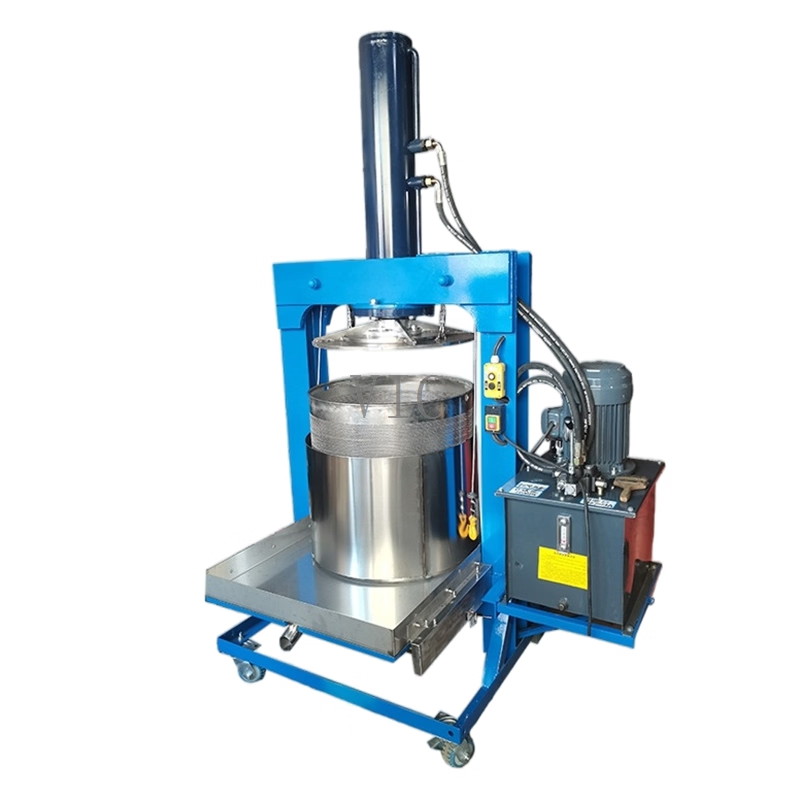
Cold-pressed juice machines have attracted growing interest for their ability to create nutrient-rich beverages from fresh fruits and vegetables. Unlike conventional juicers, a cold pressed juice machine uses a specialised extraction process designed to minimise heat generation, helping preserve essential vitamins, minerals, and enzymes. This approach can enhance the nutritional quality of juice while retaining its natural flavour and appealing colour. By providing a convenient way to prepare fresh, high-quality juice at home, cold-pressed juice machines support the growing focus on health-conscious lifestyles. Their ability to complement balanced dietary habits highlights their relevance within modern approaches to everyday nutrition.
Understanding the Design of a Juice-Press Machine
A juice-press machine is a specialised appliance designed to extract juice by applying controlled mechanical pressure to fruits and vegetables. Unlike conventional juicers that rely on high-speed spinning blades, it uses a gentle pressing mechanism that minimises disruption to the cellular structure of the produce. This method helps retain natural nutrients, enzymes, and flavours within the extracted juice. The machine generally includes a pressing chamber and motor that work together to support an efficient extraction process. By separating liquid from pulp with precision, it can produce a smoother texture while achieving a higher juice yield.
How a Cold-Pressed Juice Machine Extracts Juice
A cold-pressed juice machine uses a systematic and gentle process designed to produce high-quality juice. Initially, fruits and vegetables are crushed into a fine pulp through a specialised mechanism that breaks down their structure while limiting heat generation. The resulting pulp is then exposed to substantial pressure, allowing juice to be extracted while helping preserve natural enzymes, vitamins, and minerals. Minimal heat and reduced oxidation during extraction can help maintain the nutritional qualities of the produce, resulting in fresh and nutrient-rich juice.
Cold-pressed juicing generally takes longer than traditional methods, but the slower process helps retain flavour and vibrant colour. The pressing mechanism also separates liquid from pulp efficiently, producing a smoother consistency and potentially higher yield. Through this controlled extraction technique, the machine provides an effective way to prepare fresh juice while supporting health-conscious dietary habits and greater nutrient intake.
Nutritional Advantages of Cold-Pressed Juice
Cold-pressed juice is often valued for its ability to retain nutrients compared with juice produced through conventional extraction methods. The cold-pressing process avoids significant heat exposure, helping protect sensitive vitamins, minerals, and enzymes that may otherwise be affected by heat.
Reduced exposure to oxygen can also limit oxidation, helping preserve the juice’s nutritional qualities. Cold-pressed juice may retain a richer flavour and more vibrant colour because its natural components are better preserved during extraction. When handled and stored appropriately, it can remain fresh without relying on preservatives or unnecessary additives, providing a more natural beverage option.
The gentle pressing technique can also produce a smoother texture without requiring excessive filtration. By extracting concentrated nutrients from fruits and vegetables, cold-pressed juice provides a convenient way to include more produce in everyday dietary routines. The careful extraction process contributes to the overall quality of the juice while preserving many of the natural characteristics of its ingredients.
Benefits of Using a Juice-Press Machine
A juice-press machine offers a distinctive method of creating fresh, nutrient-rich juice with numerous health and lifestyle benefits. Its ability to extract juice using a gentle pressing mechanism ensures the retention of essential nutrients, promoting a healthier intake of vitamins and minerals. By separating the juice from the pulp efficiently, the machine delivers a smoother consistency, enhancing the overall drinking experience. The precision of the extraction process also allows for a higher juice yield, ensuring maximum use of fresh produce.
The process is free from heat generation, which helps preserve natural enzymes and antioxidants. This approach supports a more natural and unprocessed way of consuming fruits and vegetables, aligning with the growing emphasis on health-conscious choices. Beyond nutritional advantages, juice-press machines minimise food waste by extracting the maximum amount of liquid from each ingredient. They also encourage sustainable consumption by making use of fresh, locally sourced produce, reducing reliance on commercially packaged juices.
Supporting Everyday Wellness with a Juice Press Machine
A juice press machine supports a health-focused lifestyle by providing a convenient way to increase the intake of fruits and vegetables. It enables the preparation of fresh, nutrient-rich beverages containing essential vitamins, minerals, and enzymes that contribute to overall well-being. Minimal oxidation during extraction helps preserve the nutritional qualities of the ingredients, supporting a diet focused on natural, less processed foods. By producing juice with a smooth consistency and vibrant flavour, it can encourage the regular inclusion of wholesome beverages in everyday routines.
The machine’s high juice yield also promotes efficient use of fresh produce, supporting more sustainable consumption while allowing greater dietary variety. Cold-pressed juices can complement fitness and wellness routines by providing a natural source of hydration and energy. The ability to combine different ingredients also allows varied recipes to be created according to individual nutritional preferences. Its convenience and versatility make it a practical addition to households focused on balanced and health-conscious dietary habits.
Cold-Pressed Machines Compared with Traditional Juicers
Cold-pressed juice machines and traditional juicers differ considerably in their extraction methods and resulting juice qualities. Cold-pressed machines use a slower pressing technique that limits heat generation, helping retain nutrients, enzymes, and natural flavours. Traditional juicers, particularly centrifugal models, depend on high-speed spinning blades that can generate heat and introduce oxygen, potentially affecting nutrient quality and accelerating oxidation.
The slower extraction process can preserve nutritional content while producing a higher juice yield, helping make more efficient use of fruits and vegetables. Juice produced by cold-pressed machines is generally smoother with less pulp, whereas traditional juicers may create a more fibrous consistency.
Cold-pressed machines are often quieter than centrifugal juicers, which can generate considerable operating noise. Traditional models may also involve more complex cleaning requirements, while many cold-pressed machines feature simpler components that make post-use maintenance more manageable.
Reducing Power Consumption with Cold-Press Juicers
Cold-press juicers are designed to operate efficiently, with their slower extraction process generally requiring less power than high-speed alternatives. Their gentle pressing mechanism commonly relies on a lower-powered motor, helping limit electricity consumption during operation. This energy-conscious design can contribute to reduced utility expenses while supporting more sustainable household practices.
The durable construction of many machines can also support extended use, reducing the need for frequent replacements and helping minimise resource waste. Modern models may include additional energy-saving features, including efficient operating modes and responsibly selected materials.
Through efficient technology and durable construction, cold-press juicers can support long-term household savings while encouraging environmentally responsible choices. Their ability to extract juice without relying on high-speed operation highlights their practical value for households prioritising both nutrition and sustainability.
Advanced Functions Found in Modern Cold-Pressed Juice Machines
Modern cold-pressed juice machines incorporate innovative features designed to improve functionality and user convenience. Many models offer adjustable pressure settings, allowing efficient extraction from different fruits, vegetables, and leafy greens. Some machines use multi-stage extraction processes to improve juice yield while supporting nutrient retention. Self-cleaning functions can also simplify maintenance by reducing the time and effort required after juicing.
Quiet motors and vibration-reduction technology make these machines more suitable for everyday domestic use. Compact and modular designs can provide practical solutions for smaller kitchens without compromising performance. Advanced filtration systems may produce clearer juice with reduced pulp, catering to preferences for smoother textures. Increasingly, modern cold-pressed juicers also feature energy-efficient components and environmentally conscious materials, reflecting growing interest in sustainable household appliances.
Environmental Impact of Cold-Pressed Juice Machines
Cold-pressed juice machines contribute positively to environmental sustainability through their efficient design and operation. By extracting a higher yield of juice, these machines help to minimise food waste, maximising the utilisation of fruits and vegetables. Many models are manufactured using eco-friendly materials, reflecting a commitment to reducing the environmental footprint associated with production. The ability to process fresh, locally sourced produce further reduces dependency on mass-produced, pre-packaged juices, thereby decreasing the carbon emissions linked to transportation and packaging waste.
The durability of these machines means fewer replacements are required, cutting down on material consumption and electronic waste over time. Some cold-pressed juice machines are equipped with energy-efficient technology, lowering electricity usage during operation. This makes them an environmentally responsible choice for individuals seeking to adopt sustainable practices in their daily routines.
Key Criteria for Selecting the Best Cold Press Juicer
When assessing options for the best cold press juicer, several criteria are important for making a suitable choice. Build quality and material durability are essential, as sturdy construction supports reliable long-term performance and value. Machines with simple assembly and easy-to-clean components are also preferable, as convenient maintenance can encourage regular use. Noise levels may be another consideration, particularly for households seeking quieter appliance operation.
The machine’s size and weight should suit the available kitchen space and storage requirements, ensuring practicality without limiting functionality. Juice yield is another important consideration, as efficient extraction from different types of produce can reduce waste and improve overall value. Advanced functions, including multi-stage extraction and adjustable pressure settings, may provide additional benefits for users seeking greater versatility and flexibility from their juicing appliance.
Conclusion
Cold-pressed juice machines offer a modern approach to juice preparation, focusing on retaining nutrients and natural flavours through their specialised extraction process. These machines align with increasing interest in health-conscious choices by producing beverages containing vitamins, minerals, and naturally occurring compounds from fresh produce. Their efficient operation and potential to minimise food waste also support more sustainable household practices. The combination of practicality and innovative design makes these appliances a useful addition to contemporary kitchens, balancing nutritional considerations with environmental awareness while supporting healthier and more sustainable lifestyle choices.
FAQs
What is the purpose of cold-pressed juice machines?
Cold-pressed juice machines use hydraulic pressure to extract juice from fruits and vegetables while helping retain naturally occurring nutrients, enzymes, and flavours. Unlike conventional juicers, they operate with limited heat generation throughout the extraction process.
How do juice-press machines compare with conventional juicers?
Juice-press machines typically use a slower extraction technique that can help reduce oxidation during preparation. This process produces smooth, nutrient-rich juice that may retain its quality for longer than juice prepared using some conventional extraction methods.
How can a cold pressed juice machine support environmental sustainability?
A cold pressed juice machine can help reduce food waste by extracting substantial amounts of juice from fresh produce. Using whole ingredients may also reduce dependence on packaged beverages, while efficient and durable appliance designs can contribute to more sustainable household practices.
Can cold-press juicers offer savings over the long term?
Yes, durable construction and efficient operation can contribute to potential long-term savings. Effective juice extraction may also reduce the amount of produce wasted, allowing users to obtain greater value from the fruits and vegetables purchased.
What factors are important when choosing the best cold-press juicer?
Key considerations include construction quality, maintenance requirements, operating noise, extraction performance, and overall appliance design. Compact models and features such as multi-stage extraction can further enhance convenience and make regular use easier.
Can cold-pressed juice complement a balanced diet?
Cold-pressed juice can offer a convenient way to include nutrients from fresh fruits and vegetables as part of a balanced diet. It provides a fresh beverage choice that can complement varied eating patterns containing a broad range of nutritious foods.
| Related Business Listings |
| Contact Directory |
| Local Business Profiles |