Packaging plays an important role in protecting products during storage, handling, and transportation. Businesses that move goods between warehouses, distribution centres, retailers, and customers need reliable packaging materials to keep products secure and prevent unnecessary damage. One of the most widely used solutions for this purpose is stretch wrapping film.
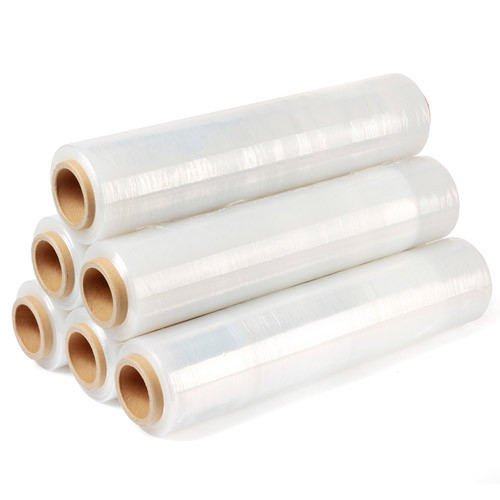
Stretch Wrapping Film is a flexible plastic packaging material designed to stretch around products and hold them securely together. It is commonly used to wrap pallets, cartons, boxes, industrial goods, and other products before transportation or storage. Its elastic properties allow the film to cling tightly to itself, creating a stable protective layer without requiring adhesives.
From manufacturing facilities and logistics companies to warehouses and retail distribution centres, stretch film helps businesses improve load stability, protect inventory, and streamline packaging operations.
However, selecting the right stretch film requires understanding its thickness, material, stretching capacity, application method, and intended use. This guide explores everything businesses need to know about stretch wrapping film, including its types, benefits, applications, and factors to consider when purchasing it.
What Is Stretch Wrapping Film?
Stretch Wrapping Film is a highly stretchable plastic film, usually manufactured from linear low-density polyethylene (LLDPE). It is designed to wrap around products, cartons, and palletized loads while maintaining tension.
When stretched around an item or pallet, the film attempts to return to its original shape. This elastic recovery creates tension that helps hold products together and reduces unwanted movement during transportation and storage.
Unlike shrink film, which requires heat to shrink around products, stretch film works through mechanical stretching. It can be applied manually or through automated packaging equipment.
Stretch film is commonly supplied in rolls of different widths, thicknesses, lengths, and colours to accommodate different packaging requirements.
Businesses use it for:
- Securing palletized goods.
- Grouping multiple products together.
- Protecting cartons during transportation.
- Stabilizing warehouse inventory.
- Preventing dust and dirt exposure.
- Reducing product movement during handling.
- Supporting efficient distribution operations.
Its versatility makes it an essential packaging material across numerous commercial and industrial environments.
How Does Stretch Wrapping Film Work?
Stretch film works through a combination of elasticity, tension, and cling properties.
When the film is pulled and stretched around a product or pallet, it develops tension. This tension helps hold the load together and keeps individual items from shifting during movement.
The wrapping process generally involves three main stages.
1. Stretching the Film
The film is pulled from the roll and stretched around the product or pallet.
Stretching increases the film’s length while reducing its thickness. High-quality stretch film is designed to withstand this stretching without tearing under its intended operating conditions.
2. Applying Tension Around the Load
As the film is wrapped around the load, tension develops between the film and the packaged products.
This tension helps compress and stabilize the load, reducing the possibility of cartons or items moving during handling.
The amount of tension required depends on the load’s weight, shape, dimensions, and stability.
3. Film Cling Holds the Packaging Together
Most stretch films have cling properties that allow their layers to stick to one another.
This helps maintain the wrapping structure without requiring additional adhesive materials.
When applied correctly, the film creates a secure outer layer that supports load stability and provides basic protection against dust and dirt.
Different Types of Stretch Wrapping Film
Stretch film is available in different varieties to suit manual packaging, automated production lines, and specialized applications.
Choosing the correct type can improve packaging efficiency and help businesses achieve better load stability.
1. Hand Stretch Film
Hand stretch film is designed for manual application without requiring automated wrapping machinery.
It is commonly used in small warehouses, retail operations, distribution centres, and businesses that package pallets occasionally.
Workers can apply the film using a handheld dispenser or directly from the roll, depending on the product design.
Key advantages include:
- Easy manual application.
- Suitable for smaller packaging operations.
- No expensive wrapping machine required.
- Available in different widths and thicknesses.
- Convenient for wrapping irregularly shaped loads.
Hand stretch film is particularly useful for businesses with lower packaging volumes or changing packaging requirements.
2. Machine Stretch Film
Machine stretch film is manufactured for use with automatic or semi-automatic pallet wrapping machines.
It is commonly used in manufacturing facilities, large distribution centres, and warehouses that package significant quantities of goods.
Machine stretch film can provide consistent wrapping tension and support faster packaging operations.
Its advantages include:
- Suitable for high-volume packaging.
- Consistent application.
- Improved packaging productivity.
- Compatibility with pallet wrapping machinery.
- Reduced manual handling requirements.
Businesses should ensure that the film specification matches their wrapping equipment, including its pre-stretch capabilities and operating tension.
3. Pre-Stretched Stretch Film
Pre-stretched film is mechanically stretched during manufacturing or processing before being supplied to the customer.
Because much of the stretching has already taken place, it generally requires less effort during application than conventional stretch film.
It can be useful for manual pallet wrapping where reduced physical effort and more consistent application are important.
Benefits may include:
- Easier manual handling.
- Reduced effort during wrapping.
- Consistent film application.
- Potentially lower film consumption.
- Convenient packaging for suitable loads.
However, its performance depends on the film’s construction and the requirements of the packaged load.
4. Coloured Stretch Film
Coloured stretch film is available in different shades, including black, blue, red, and other colours.
It is often used for product identification, inventory management, and shipment organization.
Black stretch film can also help conceal the contents of a pallet, providing an additional level of privacy during storage and transportation.
Common applications include:
- Identifying different product categories.
- Separating warehouse inventory.
- Organizing shipments.
- Concealing pallet contents.
- Supporting internal stock management.
Coloured stretch film offers similar basic wrapping functions to conventional clear stretch film, although opacity and visibility vary by colour and formulation.
5. Clear Stretch Film
Clear stretch film is one of the most widely used packaging options.
Its transparent construction allows workers to identify packaged products without removing the wrapping.
This is particularly useful in warehouses and distribution centres where goods need to be checked, counted, or scanned.
Common advantages include:
- Visibility of packaged products.
- Easy identification of cartons.
- Convenient warehouse inspections.
- Compatibility with different packaging operations.
- Suitable for many general-purpose applications.
6. Heavy-Duty Stretch Film
Heavy-duty stretch film is designed for applications involving demanding loads or more challenging packaging conditions.
It may feature greater thickness, enhanced puncture resistance, or other performance characteristics depending on the product.
It is commonly used for heavier pallets, industrial materials, construction supplies, and products with sharp edges.
However, thickness alone does not determine performance. Film formulation, stretch characteristics, puncture resistance, and application conditions should also be considered.
Major Benefits of Stretch Wrapping Film
Stretch film provides several practical advantages for businesses involved in packaging, warehousing, manufacturing, and transportation.
1. Improves Load Stability
One of the primary reasons businesses use stretch film is to keep palletized products securely together.
During transportation, goods may experience vibration, movement, sudden braking, and handling impacts.
Properly applied stretch film helps reduce unwanted movement between cartons and products, supporting more stable pallet loads.
For businesses transporting large quantities of goods, this can help reduce the risk of shifting and packaging damage.
2. Protects Products from Dust and Dirt
Warehouses, factories, and distribution facilities can expose products to dust, dirt, and other environmental contaminants.
Stretch film creates an outer layer around packaged goods that helps reduce exposure to these contaminants.
This is particularly useful for products stored for extended periods or moved between different facilities.
However, standard stretch film should not be considered a completely airtight or waterproof packaging barrier.
3. Reduces Packaging Costs
Stretch film can help businesses manage packaging expenses through efficient material usage.
High-performance films may provide suitable load containment with less material when compared with conventional alternatives.
Using the correct thickness and stretch settings can also reduce unnecessary film consumption.
Businesses should evaluate the total cost per securely wrapped pallet rather than focusing only on the price of an individual roll.
4. Supports Faster Packaging Operations
Stretch film is available for both manual and automated applications.
Hand film provides flexibility for smaller packaging requirements, while machine film supports high-volume operations.
Automated wrapping systems can apply film consistently and reduce the time required to package individual pallets.
This can improve workflow efficiency in busy warehouses and manufacturing facilities.
5. Lightweight and Flexible
Stretch film is lightweight compared with many alternative packaging materials.
It can be easily stored, transported, and applied to different product shapes and pallet configurations.
Its flexibility also allows businesses to package irregular loads without needing rigid containers for every product.
6. Helps Secure Products During Transportation
Palletized goods may travel through several stages before reaching their final destination.
They can be loaded onto trucks, moved between warehouses, transferred through distribution centres, and unloaded multiple times.
Stretch film helps maintain load integrity during these handling stages.
For particularly heavy or unstable loads, it should be combined with suitable pallet arrangements, corner protectors, strapping, and other load-securing methods when necessary.
Common Applications of Stretch Wrapping Film
Stretch film is used across many industries because it provides a practical method of securing and protecting packaged products.
Warehousing and Logistics
Warehouses and logistics companies use stretch film to secure palletized inventory before storage or transportation.
It helps keep cartons together and makes pallets easier to handle with forklifts and pallet jacks.
Common applications include:
- Securing shipping cartons.
- Wrapping mixed-product pallets.
- Preparing warehouse orders.
- Organizing inventory.
- Protecting stored goods.
Manufacturing Industry
Manufacturing facilities often use stretch film to package finished products before they are transferred to distribution centres or customers.
It can be used for machinery components, consumer goods, industrial supplies, packaged materials, and various manufactured products.
Machine stretch film is particularly useful in production environments where large quantities of pallets need to be wrapped consistently.
Food and Beverage Distribution
Food and beverage manufacturers use stretch film to stabilize cartons, packaged products, and pallet loads during transportation.
It can help keep packaged goods together and reduce exposure to dust and dirt.
However, ordinary industrial stretch film should not automatically be treated as food-contact packaging. Businesses must use suitable materials for direct food-contact applications and comply with relevant food safety requirements.
Retail and E-Commerce
Retailers and e-commerce businesses frequently use stretch film when organizing stock and preparing bulk shipments.
It helps secure multiple cartons together and supports easier handling during warehouse operations.
Black or coloured stretch film may also be used for inventory identification and shipment organization.
Construction and Building Materials
Construction suppliers often transport bulky products such as pipes, panels, insulation materials, and packaged building supplies.
Stretch film can help group compatible products and maintain load stability during transportation.
For sharp-edged or particularly heavy materials, additional protective packaging and mechanical restraints may be required.
Agriculture and Farming
Agricultural businesses use different types of stretch film for packaging, transporting, and protecting products.
Industrial pallet stretch film can be used to secure packaged agricultural supplies and cartons.
Specialized agricultural bale stretch film is a separate product designed for wrapping silage and other agricultural bales. It should not be confused with standard pallet wrapping film.
Stretch Wrapping Film vs. Shrink Film: What Is the Difference?
Stretch film and shrink film are both plastic packaging materials, but they work differently.
Stretch film is mechanically stretched around products to create tension and hold items together.
Shrink film is designed to shrink tightly around products when exposed to controlled heat.
Here are the main differences:
| Feature | Stretch Film | Shrink Film |
| Application | Mechanically stretched | Heat applied |
| Main purpose | Securing loads | Wrapping individual products or bundles |
| Equipment | Hand dispenser or wrapping machine | Heat gun or shrink tunnel |
| Elasticity | High | Depends on material |
| Common uses | Pallet wrapping | Product packaging and bundling |
| Heat requirement | No | Usually yes |
Stretch film is generally preferred for securing pallet loads, while shrink film is commonly used for packaging retail products, multipacks, and items requiring a close-fitting outer covering.
How to Choose the Right Stretch Wrapping Film
Selecting the right film requires considering your packaging requirements, load characteristics, and application method.
1. Consider the Weight of Your Load
The weight of your products influences the type of stretch film required.
Lightweight cartons may not need the same film specifications as heavy industrial pallets.
Consider the load’s total weight, dimensions, shape, and stability before selecting a product.
2. Check Film Thickness
Stretch film thickness is commonly measured in microns.
Different thicknesses are available for light, medium, and heavy-duty packaging applications.
Thicker film may offer greater resistance to punctures in certain applications, but it does not automatically guarantee better load containment.
The right thickness depends on the film formulation, load characteristics, and wrapping equipment.
3. Evaluate Stretch Capacity
Stretch capacity describes how much a film can elongate relative to its original length.
A film with suitable stretch characteristics can provide effective wrapping performance while using less material.
However, excessive stretching may cause film breakage or reduce its ability to maintain sufficient containment force.
Choose a product designed for your wrapping process and equipment.
4. Select the Correct Roll Width
Stretch film is available in different widths to accommodate different products and packaging operations.
Wider rolls may be convenient for wrapping larger pallets, while narrower rolls can be useful for smaller products and manual packaging.
Consider the dimensions of your loads and the equipment used during application.
5. Choose Hand or Machine Film
For small businesses and lower-volume packaging operations, hand stretch film may be sufficient.
For larger warehouses and manufacturing facilities, machine stretch film can improve productivity and provide consistent application.
Always check equipment compatibility before purchasing machine rolls.
6. Compare Film Quality and Supplier Reliability
A dependable packaging supplier should provide clear product specifications and consistent material quality.
Before purchasing, consider:
- Film thickness and width.
- Roll length and weight.
- Stretch performance.
- Puncture resistance.
- Cling properties.
- Compatibility with wrapping equipment.
- Bulk purchasing options.
- Delivery reliability.
Comparing these factors can help businesses identify the most suitable packaging solution.
Tips for Using Stretch Wrapping Film Effectively
Even high-quality stretch film may perform poorly if it is applied incorrectly.
Following good wrapping practices can improve load stability and reduce material waste.
Prepare the pallet correctly: Arrange cartons evenly and avoid unstable stacking patterns before wrapping.
Secure the bottom of the load: Begin wrapping around the pallet base to connect the load to the pallet where appropriate.
Maintain consistent tension: Apply suitable tension throughout the wrapping process to avoid loose areas or excessive compression.
Overlap film layers: Use appropriate overlap between layers to maintain consistent coverage.
Protect sharp edges: Use corner boards or protective materials when wrapping products with sharp edges.
Avoid excessive stretching: Follow the film manufacturer’s recommended stretch range and equipment settings.
Inspect completed pallets: Check for loose cartons, damaged film, and unstable loads before transportation.
Frequently Asked Questions About Stretch Wrapping Film
1. What is stretch wrapping film used for?
Stretch wrapping film is primarily used to secure products and palletized loads during storage and transportation. It helps keep cartons together, reduce product movement, and protect goods from dust and dirt.
2. What material is stretch film made from?
Most conventional stretch film is manufactured from linear low-density polyethylene (LLDPE). This material provides flexibility, elasticity, and the ability to stretch around products while maintaining tension.
3. What is the difference between hand stretch film and machine stretch film?
Hand stretch film is designed for manual application using a handheld dispenser or roll. Machine stretch film is manufactured for automatic or semi-automatic pallet wrapping equipment and is commonly used in high-volume packaging operations.
4. What thickness of stretch wrapping film should I use?
The appropriate thickness depends on load weight, dimensions, shape, handling conditions, and film performance. Thickness is generally measured in microns. Businesses should evaluate the complete film specification rather than selecting a product based on thickness alone.
5. Is stretch wrapping film waterproof?
Stretch film can provide a degree of protection against surface moisture and splashes when properly applied. However, standard stretch film is not necessarily waterproof or airtight. Additional moisture-barrier packaging may be needed for sensitive products.
6. Can stretch film be recycled?
Stretch film is commonly made from polyethylene, which can be recyclable through appropriate plastic film recycling systems. However, recycling availability depends on local facilities, material cleanliness, and collection arrangements. Businesses should check local recycling requirements.
7. What is pre-stretched stretch film?
Pre-stretched stretch film is stretched before being supplied to the user. It generally requires less effort during application and can help reduce physical strain during manual wrapping.
8. Is black stretch film better than clear stretch film?
Neither is universally better. Clear stretch film allows packaged products to remain visible, making it useful for inventory identification. Black stretch film conceals pallet contents and can help distinguish different shipments.
9. Can stretch wrapping film be used for heavy pallets?
Yes, suitable stretch film can be used for many heavy pallet applications. However, the product must be selected according to load weight, shape, sharp edges, transportation conditions, and required containment force. Additional load-securing methods may also be necessary.
10. How do I prevent stretch film from tearing?
Use the correct film thickness, avoid excessive stretching, protect sharp product edges, and apply consistent tension. Ensure that the film is compatible with the wrapping equipment and that the roll is not damaged before use.
11. Is stretch film the same as shrink wrap?
No. Stretch film is mechanically stretched around products to create tension, while shrink film uses heat to shrink tightly around the packaged items. Both are used for packaging, but their applications and equipment requirements differ.
12. Where can businesses buy stretch wrapping film in bulk?
Businesses can purchase stretch wrapping film from specialist packaging manufacturers, industrial packaging suppliers, and wholesale distributors. Compare film specifications, roll dimensions, quality, pricing, and delivery arrangements before selecting a supplier.
Final Thoughts
Stretch Wrapping Film is an important packaging solution for businesses that need to secure products during storage, handling, and transportation. Its flexibility, elasticity, and convenient application make it suitable for warehouses, manufacturing facilities, logistics companies, retailers, and distribution centres.
From hand stretch film and machine stretch film to pre-stretched, coloured, and heavy-duty options, different products are designed to meet different packaging requirements.
Choosing the right film involves evaluating load weight, thickness, stretch capacity, roll dimensions, and application methods. Businesses should also consider material quality and supplier reliability to maintain consistent packaging performance.
By selecting suitable stretch film and applying it correctly, businesses can improve load stability, reduce packaging waste, protect inventory, and support more efficient warehouse and distribution operations.