Efficient packaging plays an important role in protecting products during storage, transportation, and distribution. Whether businesses are shipping pallets, organising warehouse inventory, or protecting products from dust and damage, choosing the right packaging material can improve safety, reduce waste, and streamline operations.
One of the most widely used packaging solutions across industries is stretch wrapping film. Known for its flexibility, strength, and ability to secure products tightly, stretch film is commonly used in warehouses, manufacturing facilities, logistics operations, and retail supply chains.
Choosing the right Stretch Wrapping Film helps businesses improve load stability, protect products during transit, and create more efficient packaging processes.
This complete guide explains what stretch wrapping film is, how it works, different types available, benefits, applications, how to choose the right product, storage tips, and frequently asked questions.
What Is Stretch Wrapping Film?
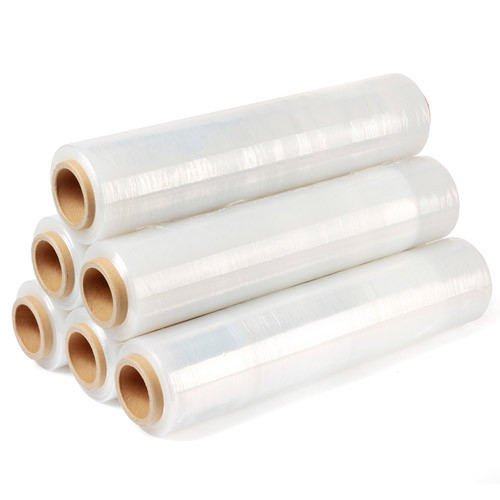
Stretch wrapping film is a flexible plastic packaging material used to secure and protect products, especially palletised goods, during storage and transportation.
The film is designed to stretch around products while creating tension that holds items together securely.
Stretch wrapping film is commonly made from:
- Linear low-density polyethylene (LLDPE)
- Plastic polymer materials
It is widely used because it provides:
- Strong load protection
- Flexible wrapping
- Product stability
- Moisture and dust resistance
A reliable supply of Stretch Wrapping Film helps businesses protect goods while improving packaging efficiency.
How Does Stretch Wrapping Film Work?
Stretch wrapping film works by using elasticity and tension.
When the film is stretched around products, it creates a holding force that keeps items secured together.
The wrapping process helps:
- Stabilise pallets
- Prevent movement
- Protect products from external damage
- Improve handling during transportation
Stretch film can be applied manually or with automated wrapping machines depending on business requirements.
Why Stretch Wrapping Film Is Important for Businesses
Packaging problems can lead to damaged products, increased costs, and customer dissatisfaction.
Stretch wrapping film helps businesses overcome common challenges such as:
- Loose pallet loads
- Product shifting during transport
- Dust exposure
- Moisture concerns
- Warehouse handling issues
Using quality stretch film improves product protection throughout the supply chain.
Benefits of Using Stretch Wrapping Film
Stretch wrapping film provides several advantages for businesses across different industries.
Protects Products During Transportation
One of the primary benefits of stretch film is improved product security.
It helps protect goods from:
- Movement
- Falling items
- Packaging damage
- External contamination
This is especially important during long-distance transportation.
Improves Load Stability
Stretch film keeps multiple products together as a single unit.
This makes pallets:
- Easier to move
- Safer to handle
- More stable during shipping
Provides Dust and Moisture Protection
Stretch film creates a protective layer around products.
It helps reduce exposure to:
- Dust
- Dirt
- Light moisture
This helps maintain product cleanliness during storage.
Reduces Packaging Costs
Stretch film is lightweight compared with many traditional packaging materials.
Businesses can benefit from:
- Lower material usage
- Reduced storage requirements
- Efficient packaging processes
Easy Application
Stretch wrapping film can be applied quickly using:
- Hand dispensers
- Semi-automatic machines
- Fully automatic systems
Improves Warehouse Efficiency
Well-wrapped pallets are easier to organise, transport, and store.
Types of Stretch Wrapping Film
Different types of stretch film are available depending on product requirements.
Hand Stretch Film
Hand stretch film is designed for manual wrapping applications.
It is commonly used by:
- Small warehouses
- Retail businesses
- Distribution centres
Benefits include:
- Easy handling
- No machinery required
- Flexible usage
Machine Stretch Film
Machine stretch film is designed for automated wrapping systems.
It provides:
- Faster packaging
- Consistent wrapping
- Reduced labour requirements
It is commonly used in high-volume operations.
Pre-Stretched Film
Pre-stretched film is stretched before application.
Advantages include:
- Less effort during wrapping
- Reduced material usage
- Easier handling
Coloured Stretch Film
Coloured stretch film provides additional benefits such as:
- Product identification
- Security
- Inventory organisation
Common colours are used for:
- Department identification
- Product categories
- Special shipments
Clear Stretch Film
Clear stretch film is one of the most common options.
It allows businesses to:
- View products easily
- Check labels
- Monitor inventory
Heavy-Duty Stretch Film
Heavy-duty stretch film is designed for heavier loads.
It provides:
- Increased strength
- Better holding power
- Improved durability
Common Applications of Stretch Wrapping Film
Stretch film is used across many industries because of its versatility.
Warehousing and Logistics
Warehouses use stretch film to secure pallet loads before shipping.
Applications include:
- Product storage
- Distribution operations
- Inventory management
Manufacturing Industry
Manufacturers use stretch film to protect finished goods and raw materials.
It helps secure:
- Machinery parts
- Product cartons
- Industrial supplies
Food and Beverage Industry
Food businesses use stretch film for packaging and transportation.
It helps protect:
- Food cartons
- Beverage cases
- Pallet loads
Retail Industry
Retailers use stretch film for:
- Stock movement
- Warehouse organisation
- Shipment preparation
E-Commerce Businesses
Online retailers use stretch film to secure bulk shipments and warehouse inventory.
Construction Industry
Construction businesses use stretch film to protect:
- Building materials
- Equipment
- Supplies
How to Choose the Right Stretch Wrapping Film
Selecting the right film depends on product requirements and packaging processes.
Consider Load Weight
Heavy products require stronger stretch film.
Light products may require standard film options.
Choose the Correct Thickness
Stretch film thickness affects:
- Strength
- Durability
- Protection level
Thicker films are often used for heavier applications.
Evaluate Stretch Capacity
Different films provide different stretch levels.
Higher stretch capability can improve:
- Load stability
- Material efficiency
- Cost savings
Consider Application Method
Choose film based on whether wrapping is done:
- Manually
- Semi-automatically
- Automatically
Review Product Requirements
Consider:
- Product size
- Shipping distance
- Storage conditions
- Handling requirements
Select a Reliable Supplier
A professional supplier should provide:
- Consistent quality
- Multiple film options
- Bulk supply availability
- Technical support
Stretch Wrapping Film for Different Business Sizes
Different organisations have different packaging needs.
Small Businesses
Small businesses often use hand stretch film because it is:
- Affordable
- Easy to use
- Flexible
Medium Businesses
Medium-sized operations may require:
- Larger film quantities
- Improved packaging efficiency
- Better inventory management
Large Warehouses
Large facilities often use machine stretch film for:
- High-volume packaging
- Faster operations
- Consistent results
Benefits of Buying Stretch Wrapping Film in Bulk
Bulk purchasing provides several advantages.
Lower Cost Per Roll
Buying larger quantities often reduces packaging costs.
Reliable Stock Availability
Maintaining inventory helps prevent packaging delays.
Better Planning
Bulk supply allows businesses to manage packaging requirements more efficiently.
Reduced Purchasing Frequency
Fewer orders reduce administrative workload.
Sustainability Considerations for Stretch Wrapping Film
Businesses are increasingly focusing on sustainable packaging practices.
Using The Right Amount of Film
Overusing stretch film creates unnecessary waste.
Proper application helps reduce material consumption.
Lightweight Film Technology
Modern stretch films are often designed to provide strength with less material.
Recycling Opportunities
Some stretch films can be recycled through appropriate waste management programs.
Efficient Packaging Practices
Optimising wrapping processes helps businesses reduce environmental impact.
Common Mistakes When Using Stretch Wrapping Film
Incorrect use can reduce packaging efficiency.
Using Incorrect Film Thickness
Using film that is too thin may cause load instability.
Overstretching the Film
Excessive stretching can reduce performance.
Under-Wrapping Products
Insufficient wrapping may allow products to move during transport.
Choosing the Wrong Film Type
Different loads require different stretch film solutions.
Poor Storage Practices
Improper storage can affect film quality.
Storage Tips for Stretch Wrapping Film
Proper storage helps maintain film performance.
Keep Film Away From Extreme Temperatures
Heat and cold can affect plastic properties.
Store Rolls in a Dry Environment
Moisture and poor storage conditions can affect packaging materials.
Protect Rolls From Damage
Avoid dropping or damaging film rolls before use.
Organise Inventory Properly
Maintain proper stock rotation to ensure efficient usage.
Why Choose Professional Stretch Wrapping Film Suppliers?
A reliable packaging supplier helps businesses maintain consistent quality and efficient operations.
Professional suppliers provide:
- Different film options
- Bulk purchasing solutions
- Reliable delivery
- Industry-specific recommendations
Choosing the right Stretch Wrapping Film helps businesses improve product protection, reduce packaging issues, and create more efficient supply chain processes.
Whether you operate a warehouse, manufacturing facility, retail business, or logistics company, quality stretch film provides a simple and effective way to secure products.
Frequently Asked Questions About Stretch Wrapping Film
What is stretch wrapping film?
Stretch wrapping film is a flexible plastic packaging material used to secure and protect products, especially pallet loads, during storage and transportation.
What is stretch film made from?
Stretch film is commonly made from linear low-density polyethylene (LLDPE), a flexible plastic material designed for stretching and load protection.
Why do businesses use stretch wrapping film?
Businesses use stretch film to stabilise loads, protect products, reduce damage, and improve transportation efficiency.
What types of stretch wrapping film are available?
Common types include hand stretch film, machine stretch film, pre-stretched film, coloured film, clear film, and heavy-duty film.
Can stretch wrapping film protect products from moisture?
Yes. Stretch film provides a protective layer that helps reduce exposure to light moisture, dust, and dirt.
How do I choose the right stretch film?
Consider product weight, load size, wrapping method, required strength, and storage conditions.
Is stretch wrapping film recyclable?
Some stretch films can be recycled through suitable recycling programs.
Should I use hand or machine stretch film?
Hand stretch film is suitable for smaller operations, while machine stretch film is better for high-volume packaging.
Can stretch film reduce packaging costs?
Yes. Efficient use of stretch film can reduce material waste and improve packaging efficiency.
How should stretch wrapping film be stored?
Store stretch film in a dry environment away from extreme temperatures and physical damage.