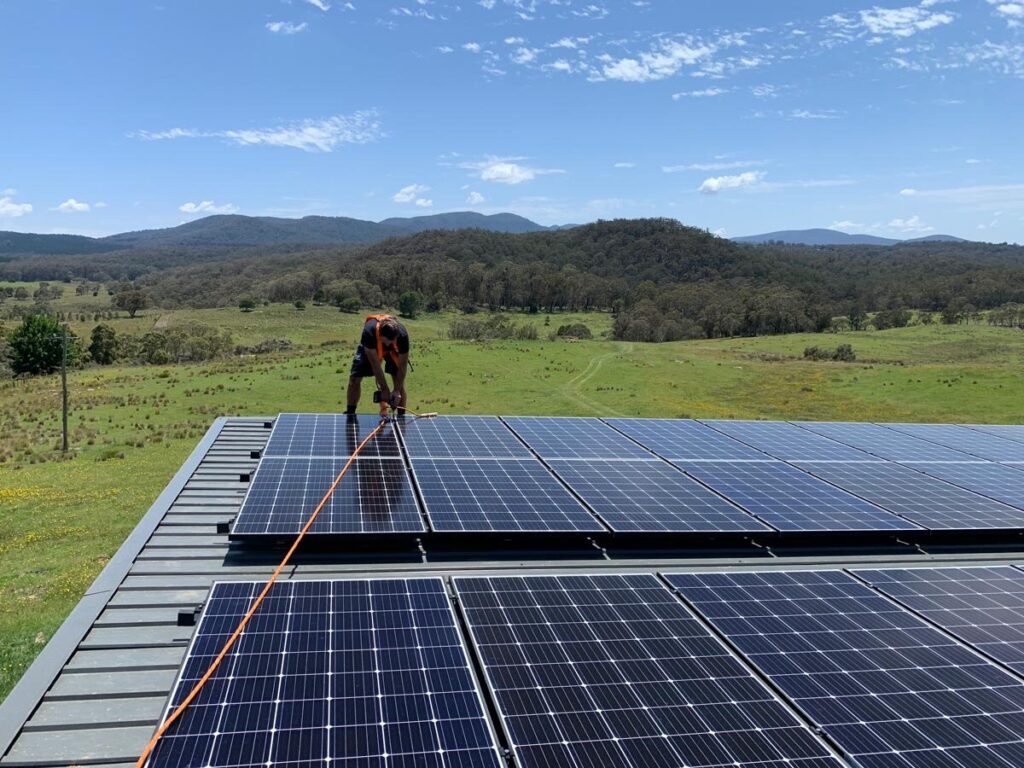
Stand-alone solar and battery solutions are increasingly used to provide dependable and independent electricity in areas where conventional grid access is limited. Stand alone battery systems function separately from the main electricity network, combining renewable generation such as solar power with battery storage for later use. This makes them particularly suitable for remote properties and locations where grid reliability may be limited or unavailable.
By connecting solar panels with modern battery technology, these systems can generate and store electricity to support ongoing energy requirements across different conditions. Their independent operation can improve energy security while reducing reliance on conventional electricity sources and supporting lower-emission energy generation. As demand for efficient and renewable power solutions continues to grow, stand-alone solar and battery systems are becoming an increasingly relevant option for meeting energy needs while encouraging more sustainable electricity use.
Maintaining Power Availability with Stand-Alone Battery Systems
Stand-alone battery systems provide a dependable method of maintaining electricity availability, particularly in locations where connection to the main grid is limited or unavailable. These systems store electricity generated from renewable sources, such as solar panels, so that it can be accessed when generation falls. This function makes them suitable for remote properties and off-grid environments where consistent electricity is important for essential services and routine activities.
Modern battery technologies can capture surplus generation and release stored electricity when required, helping create a more stable supply. Operating independently from the main grid can also improve resilience in areas affected by unreliable electricity connections. By supporting controlled energy distribution across changing demand periods, stand-alone battery systems contribute to efficient energy management while encouraging greater self-sufficiency and renewable energy use.
Components That Improve Stand-Alone System Performance
Several interconnected components contribute to the efficient operation of stand-alone power systems. Solar panels generate electricity by converting available sunlight into usable power, while batteries store generated energy for periods when solar production is reduced. Together, these components form the foundation of many renewable off-grid installations.
Inverters convert direct current (DC) electricity into alternating current (AC), allowing stored power to operate common appliances and electrical equipment. Charge controllers regulate the movement of electricity between generation sources and batteries, helping protect storage systems from excessive charging or discharge.
Monitoring equipment can provide information about energy production, consumption, and overall system operation. When these components are appropriately selected and integrated, they support coordinated generation, storage, and distribution, helping the system respond effectively to different energy requirements.
Improving Energy Independence through Battery Storage
Effective battery storage can strengthen energy independence by making stored electricity available when renewable generation is temporarily reduced. Surplus electricity produced during periods of strong solar generation can be retained and accessed later, including during nighttime or periods of limited sunlight.
Contemporary battery technologies, including lithium-ion and flow battery systems, can provide useful combinations of capacity, efficiency, and operational durability for different applications. Effective storage management also helps reduce unused generation while providing greater control over when stored electricity is consumed.
Storage systems can be configured according to the scale and requirements of a property or facility, ranging from smaller residential installations to larger commercial and industrial systems. Integrating suitable battery storage with renewable generation can therefore support a more stable supply, reduce dependence on external electricity sources, and provide greater control over energy use.
Stand Alone Battery Systems for Stable Power Supply
A stand alone battery provides an important means of storing electricity for use when renewable generation is unavailable or reduced. Surplus energy produced by sources such as solar panels can be retained within the battery and released when required, including during nighttime hours or periods of unfavourable weather.
These batteries can integrate with renewable energy systems to support independent electricity supply in remote areas and locations where grid connections are unreliable. Modern battery technologies can provide efficient operation and extended service life while responding to variations in electricity demand. This allows stored power to remain available for essential applications when generation conditions change.
Reliable battery storage can be particularly useful for remote facilities, communities, and operations that require consistent electricity for important functions. By supporting flexible energy availability and reducing reliance on conventional external sources, stand-alone batteries form an important component of modern independent energy systems.
Factors Influencing Battery Capacity and System Reliability
The capacity and reliability of stand-alone battery systems are influenced by various technical and environmental factors. The type of battery used is a critical determinant, as advanced technologies often offer higher energy density and longer operational lifespans. Proper sizing of the system, ensuring it meets the specific energy demands, is also essential for efficient functioning. Environmental conditions, such as extreme temperatures, can significantly impact battery performance, making thermal management an important consideration.
Regular maintenance, including cleaning and inspection, helps to identify and address potential issues before they affect system reliability. The quality of the charging and discharging process plays a role in preserving battery health, as overcharging or deep discharging can shorten its lifespan. The integration of a high-quality charge controller ensures energy is distributed efficiently and prevents damage to the battery.
Enhancing Off-Grid Energy Systems through Solar Integration
Combining solar power with stand-alone systems improves the efficiency of off-grid energy solutions by introducing a sustainable and renewable source of electricity. Solar panels transform sunlight into electrical energy, which can subsequently be stored in batteries for use when solar generation is limited. This effective combination supports a consistent energy supply while reducing dependence on conventional fuel-powered generation. Advanced solar technology facilitates improved energy collection and efficiency, allowing these systems to respond more effectively to changing energy requirements.
Furthermore, solar integration lowers environmental impact by decreasing greenhouse gas emissions and encouraging cleaner energy practices. When paired with efficient battery storage, solar power enables off-grid systems to operate independently, satisfying energy requirements even in remote or difficult-to-access areas. Continued developments in solar technology also enhance energy conversion efficiency, helping maximise the overall capabilities of these systems.
Combining Solar Generation with Reliable Battery Storage
A stand alone solar battery system integrates solar electricity generation with battery storage to create an independent power solution. Operating separately from the main electricity grid, these systems are suitable for properties and locations where conventional grid access is limited or unavailable. Solar panels convert available sunlight into electricity, while batteries retain the generated power for periods when direct solar production is reduced or unavailable.
Modern storage technologies can retain generated electricity efficiently, helping reduce unnecessary energy losses and improving overall system usability. Different system configurations can accommodate varying requirements, from smaller residential properties to larger industrial applications. Durable components and adaptable designs allow these systems to operate across a range of environmental conditions while supporting consistent energy availability.
Intelligent management technology can further improve system performance by regulating energy distribution according to demand. By coordinating generation, storage, and consumption, stand-alone solar battery systems can provide dependable electricity in remote environments while supporting greater energy independence and renewable power use.
Energy Management Strategies for Greater Power Resilience
Effective energy management can improve the resilience of stand-alone power systems by ensuring stored electricity is used efficiently. Monitoring technologies can track generation, battery levels, and consumption in real time, allowing energy distribution to be adjusted according to changing requirements. Proper management can also prioritise essential loads, helping maintain important operations when available energy is limited.
Automated controls can regulate energy flow according to demand, reducing unnecessary pressure on batteries and supporting longer operating life. Predictive monitoring may also identify periods of increased consumption or reduced generation, allowing appropriate adjustments to be made in advance. Directing surplus electricity towards storage or immediate consumption further reduces waste and improves the overall efficiency of the system.
Battery Storage for Continuity during Power Interruptions
Battery-based energy systems can provide immediate stored electricity when normal power supplies are interrupted, helping maintain essential operations and equipment. They can be particularly useful in settings where continued electricity availability is important, including healthcare environments, industrial facilities, and emergency operations.
Stored energy can help reduce the disruption caused by unexpected outages by supplying electricity to critical equipment and processes. Because battery systems can respond rapidly when an interruption occurs, they can limit downtime and support operational continuity where immediate power availability is required.
Battery storage can also provide a quieter alternative to fuel-powered backup generators while avoiding the direct emissions associated with combustion-based systems during operation. With the ability to respond to changing electrical loads, these systems can provide flexible backup capacity across different applications and operating conditions.
Selecting the Best Stand Alone Solar System
Selecting the best stand alone solar system involves assessing system design, solar generation capacity, battery storage, and expected energy requirements. An appropriately configured system combines efficient solar panels with dependable battery storage to capture, retain, and supply electricity as required. Energy management technology can further regulate consumption and storage, while scalable designs allow capacity to be adjusted as energy needs develop.
Environmental durability is another important consideration, particularly for systems operating across demanding or variable climatic conditions. Correct installation and routine maintenance can support dependable performance and extend the useful operating life of system components. Modern storage technologies and efficient materials can also help reduce energy losses. Monitoring equipment provides additional oversight of generation, storage, and consumption, supporting coordinated operation and informed energy management.
Conclusion
Stand alone battery systems play an important role in supporting modern energy solutions by providing sustainable and independent power options. These systems integrate energy storage technologies with renewable sources to supply electricity in locations with limited or no access to conventional grid infrastructure. Designed to improve energy utilisation, they can reduce reliance on traditional power sources while supporting more environmentally conscious energy practices. Through effective energy management and storage capabilities, stand-alone systems can contribute to dependable operation and sustained performance across different applications.
FAQs
What features define a stand-alone battery system?
A stand-alone battery system functions independently from the main electricity grid, storing energy generated from renewable sources such as solar power for use when direct generation is unavailable.
How do stand alone battery systems support a stable energy supply?
Stand alone battery systems retain surplus energy during periods of higher generation and release stored electricity when demand rises or renewable production falls, helping provide a more consistent power supply.
What advantages can energy independence offer?
Energy independence can provide greater control over electricity use, reduce reliance on conventional grid infrastructure, and support dependable energy access for remote properties and off-grid applications.
How can solar energy integration enhance system functionality?
Solar energy integration enables these systems to utilise a renewable source for electricity generation, potentially reducing emissions while supporting the sustainability and efficient operation of independent energy solutions.
What factors affect the long-term performance of these systems?
System design, battery technology, maintenance routines, installation conditions, and the surrounding environment can all influence efficiency, reliability, durability, and long-term operational performance.
| Related Business Listings |
| Contact Directory |
| Local Business Profiles |