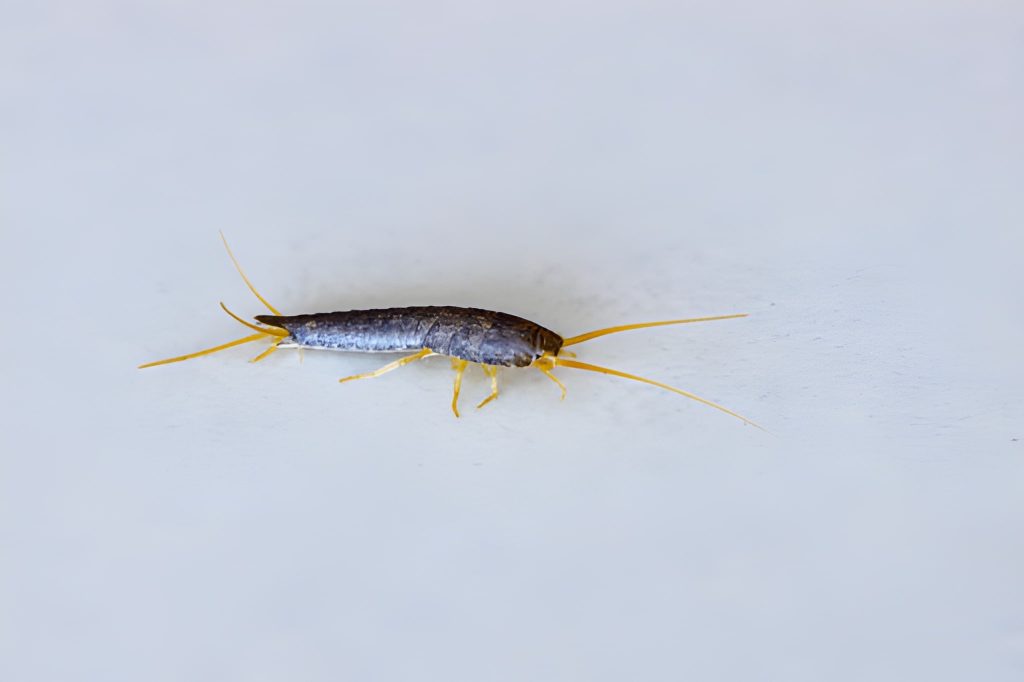
Silverfish are small, fast-moving insects that are commonly found in homes and buildings across Sydney. Although they do not bite humans or cause direct health risks, they can become a frustrating household pest because they damage valuable belongings such as books, wallpaper, clothing, photographs, and stored items.
Sydney’s climate, with its combination of humidity, warm temperatures, and coastal conditions, can create suitable environments for silverfish activity. These pests often hide in dark, damp areas and may remain unnoticed until signs of damage become visible.
Effective Silverfish Control Sydney requires more than removing visible insects. A successful approach involves identifying the cause of the infestation, eliminating hiding areas, reducing moisture, and using appropriate pest control methods to prevent future problems.
This guide explains what silverfish are, why they appear in Sydney homes, common signs of infestation, effective treatment methods, prevention tips, and when professional pest control may be needed.
What Are Silverfish?
Silverfish are small, wingless insects known for their silver-coloured bodies and quick movements. They belong to the insect order Zygentoma and are commonly found in indoor environments.
Silverfish have:
- Flat, elongated bodies
- Silver or grey scales
- Long antennae
- Three tail-like appendages
- Fast crawling movement
They are mostly active at night and prefer dark, quiet areas where they can avoid disturbance.
Common hiding places include:
- Bathrooms
- Kitchens
- Basements
- Storage areas
- Wardrobes
- Roof spaces
- Wall cavities
- Book storage areas
Silverfish feed on materials containing starches and carbohydrates, including paper products, adhesives, fabrics, and some stored foods.
Why Are Silverfish Common in Sydney Homes?
Several environmental factors make Sydney properties suitable for silverfish activity.
Humidity and Moisture
Silverfish prefer humid environments because moisture helps them survive and reproduce.
Areas with:
- Poor ventilation
- Water leaks
- Damp walls
- High indoor humidity
can attract silverfish.
Bathrooms, laundries, and kitchens are common locations where these pests may appear.
Warm Temperatures
Silverfish are more active in warm conditions. Sydney’s climate provides suitable temperatures for insect activity throughout much of the year.
Access to Food Sources
Silverfish feed on materials found in many homes, including:
- Books
- Cardboard boxes
- Wallpaper glue
- Paper documents
- Clothing fibres
- Food packaging
Homes with large amounts of stored paper or cardboard may provide additional hiding places.
Older Buildings and Hidden Spaces
Older properties may contain cracks, gaps, and hidden areas where silverfish can shelter.
Common entry and hiding points include:
- Wall cracks
- Skirting boards
- Ceiling spaces
- Storage areas
Signs You Need Silverfish Control Sydney
Silverfish are often difficult to notice because they hide during the day. Recognising early signs can help prevent larger infestations.
Seeing Silverfish Around Your Home
The most obvious sign is seeing live silverfish, especially at night.
You may notice them:
- Running across floors
- Moving near sinks
- Appearing in cupboards
- Hiding behind stored items
Damage to Books and Paper Items
Silverfish commonly damage paper-based materials.
Signs include:
- Irregular holes in pages
- Damaged book covers
- Missing paper edges
- Yellow staining
Libraries, offices, and home storage areas may be particularly vulnerable.
Damaged Clothing and Fabrics
Silverfish can damage fabrics, especially items stored in dark areas.
Possible signs include:
- Small holes
- Fabric thinning
- Damage around seams
Silverfish Droppings
Silverfish leave behind small dark droppings that may appear near hiding areas.
These can often be found:
- Inside cupboards
- Near books
- Around storage boxes
Shed Skin
Silverfish shed their outer skin as they grow. Finding small discarded skins may indicate activity.
How Does Professional Silverfish Control Sydney Work?
Professional pest control focuses on identifying the source of the problem and applying targeted treatments.
Inspection and Identification
The first step is a detailed inspection.
A pest control professional checks areas such as:
- Bathrooms
- Kitchens
- Storage spaces
- Wall cavities
- Roof areas
- Cracks and gaps
The inspection helps determine:
- Infestation level
- Main hiding areas
- Moisture problems
- Entry points
Identifying Contributing Factors
Silverfish problems are often linked to environmental conditions.
Professionals may identify issues such as:
- Excess moisture
- Poor ventilation
- Water leaks
- Cluttered storage areas
Addressing these factors improves treatment results.
Targeted Treatment Application
Treatment methods may include:
- Insecticide applications
- Dust treatments
- Crack and crevice treatments
- Barrier methods
The method depends on the property and level of infestation.
Follow-Up Recommendations
After treatment, professionals may provide advice on:
- Moisture reduction
- Cleaning practices
- Storage improvements
- Prevention methods
Common Silverfish Control Methods
Different methods can help manage silverfish activity.
Reducing Moisture Levels
Since silverfish prefer humid environments, moisture control is an important step.
Helpful measures include:
- Using exhaust fans
- Fixing leaks
- Improving ventilation
- Using dehumidifiers where needed
Sealing Cracks and Gaps
Silverfish often hide in small spaces.
Seal:
- Wall cracks
- Gaps around pipes
- Spaces around windows
- Openings near skirting boards
This reduces hiding areas and entry points.
Removing Clutter
Reducing clutter makes it harder for silverfish to find shelter.
Avoid storing large amounts of:
- Cardboard boxes
- Old papers
- Unused books
in damp areas.
Proper Storage of Paper Items
Protect valuable items by:
- Using sealed containers
- Keeping books dry
- Avoiding basement or damp storage
Natural Silverfish Prevention Methods
Some homeowners prefer natural approaches to reduce silverfish activity.
Cedar Products
Cedar has a strong scent that may discourage some insects.
Cedar products can be placed in:
- Wardrobes
- Storage areas
- Drawers
Regular Cleaning
Regular cleaning reduces potential food sources.
Important areas include:
- Behind furniture
- Storage cupboards
- Book shelves
- Corners
Dry Environment Maintenance
Keeping indoor areas dry is one of the most effective prevention methods.
Why DIY Silverfish Control May Not Always Work
Many homeowners try household solutions before contacting professionals. While some methods may reduce visible silverfish, they may not solve the underlying infestation.
Hidden Populations
Silverfish often hide in areas that are difficult to access.
Examples include:
- Wall cavities
- Roof spaces
- Behind fixtures
Removing visible insects may not eliminate the full problem.
Eggs and Reproduction
Silverfish can lay eggs in hidden locations. Without addressing breeding areas, infestations may return.
Incorrect Treatment Application
Using unsuitable products or applying treatments incorrectly may reduce effectiveness.
Professional pest control methods are designed to target infestation areas more effectively.
Benefits of Professional Silverfish Control Sydney
Hiring a professional pest control service provides several advantages.
Accurate Identification
Professionals can confirm whether silverfish are the actual pest problem and identify contributing factors.
Targeted Treatment
Professional treatments focus on areas where silverfish hide and reproduce.
Long-Term Prevention Advice
Experts can recommend practical steps to reduce future infestations.
Saves Time and Effort
Professional services help avoid repeated unsuccessful DIY attempts.
Protects Valuable Belongings
Effective treatment helps protect:
- Books
- Documents
- Clothing
- Home furnishings
How to Prevent Silverfish Infestations in Sydney Homes
Prevention plays an important role after treatment.
Control Indoor Humidity
Maintain a dry indoor environment by:
- Improving airflow
- Repairing leaks
- Ventilating bathrooms
- Monitoring moisture levels
Store Items Properly
Use sealed containers for:
- Important documents
- Books
- Clothing
- Paper materials
Keep Storage Areas Clean
Regularly check:
- Wardrobes
- Cupboards
- Garages
- Storage rooms
Remove unnecessary clutter.
Inspect New Items
Silverfish can sometimes enter homes through:
- Boxes
- Books
- Stored materials
Inspect items before bringing them into storage areas.
Seal Entry Points
Regularly check and seal:
- Cracks
- Gaps
- Openings around pipes
Silverfish Control Sydney for Different Property Types
Silverfish can affect many types of properties.
Residential Homes
Homes may experience silverfish activity in:
- Bathrooms
- Bedrooms
- Storage rooms
- Kitchens
Apartments
Apartments can experience issues due to:
- Shared building spaces
- Moisture problems
- Limited ventilation
Offices
Silverfish can damage:
- Documents
- Files
- Paper storage
Libraries and Archives
Paper-based collections require effective pest management to prevent damage.
How Much Does Silverfish Control Sydney Cost?
The cost of silverfish treatment depends on several factors.
Size of the Property
Larger properties may require more inspection and treatment time.
Level of Infestation
A small problem may require less treatment compared to a widespread infestation.
Treatment Method
Different treatment approaches may have different costs.
Property Conditions
Factors such as:
- Moisture issues
- Access difficulty
- Structural gaps
can influence treatment requirements.
A professional inspection can help determine the most suitable solution.
Frequently Asked Questions About Silverfish Control Sydney
What attracts silverfish in Sydney homes?
Silverfish are attracted to moisture, humidity, warm temperatures, and materials containing starches such as paper, books, and cardboard.
Are silverfish dangerous to humans?
Silverfish do not bite humans and are not considered dangerous, but they can damage household belongings.
How do I know if I have a silverfish infestation?
Signs include seeing silverfish, finding damaged books or clothing, noticing droppings, and discovering shed skins.
Can silverfish be removed permanently?
Long-term control requires eliminating existing pests and reducing conditions that allow them to survive, such as moisture and hiding spaces.
How long does silverfish treatment take?
Treatment time depends on property size, infestation level, and the methods used.
Can I control silverfish without professional help?
Minor activity may improve with cleaning, moisture control, and sealing gaps. Larger infestations may require professional treatment.
Do silverfish damage clothes?
Yes, silverfish can damage fabrics, especially natural fibres and stored clothing.
Why do silverfish keep coming back?
Silverfish may return if moisture problems, hiding areas, or food sources remain available.
Conclusion
Effective Silverfish Control Sydney requires understanding why silverfish enter homes and addressing the conditions that allow them to survive. While these pests do not pose a direct health threat, they can cause damage to valuable belongings and become difficult to manage when infestations grow.
A successful control approach combines proper identification, moisture management, targeted treatment, and ongoing prevention. By keeping indoor spaces dry, reducing clutter, sealing entry points, and seeking professional help when needed, Sydney homeowners can protect their properties from silverfish problems.
Whether you are dealing with occasional sightings or a larger infestation, taking action early can help prevent further damage and restore a more comfortable living environment.