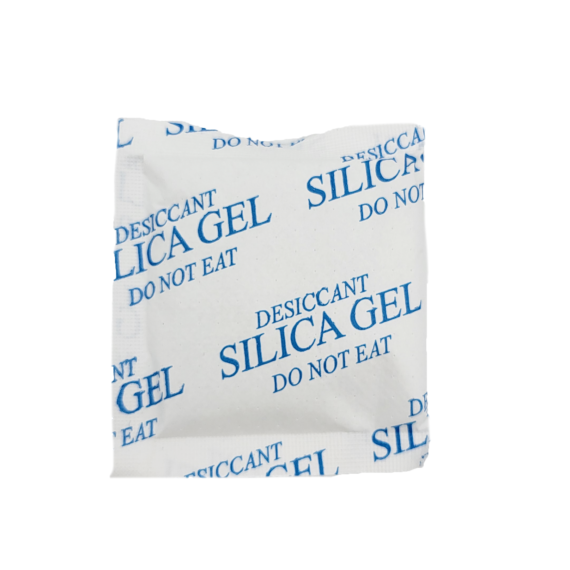
Moisture can cause serious damage to products during storage, transportation, and everyday use. From electronics and leather goods to food packaging and pharmaceuticals, excess humidity can lead to mould growth, corrosion, unpleasant odours, and product deterioration.
One of the most effective solutions for controlling moisture is silica gel. These small packets or granules are widely used as moisture absorbers because they can attract and hold water vapour from the surrounding environment.
Despite the name, silica gel is not actually a gel. It is a porous form of silicon dioxide that contains millions of tiny pores capable of absorbing moisture. Its ability to maintain dry conditions makes it valuable across many industries, including packaging, manufacturing, healthcare, food storage, electronics, and logistics.
Understanding how silica gel works, where it is used, and how to choose the right type can help businesses and consumers protect valuable products from moisture damage.
What Is Silica Gel?
Silica gel is a porous material made from silicon dioxide, a naturally occurring compound found in sand and quartz. It is processed into small beads or granules that can absorb and retain moisture from the surrounding air.
Unlike absorbent materials that soak up liquid directly, silica gel works through adsorption. This means water molecules attach themselves to the surface of the silica gel rather than being absorbed into its structure.
Silica gel is commonly available in:
- Packets
- Sachets
- Granules
- Beads
- Containers
It is often placed inside product packaging to maintain low humidity levels.
How Does Silica Gel Work?
Silica gel works because of its highly porous structure. Each particle contains microscopic spaces that attract and hold moisture molecules.
When placed in an enclosed environment, silica gel:
- Draws moisture from the surrounding air
- Traps water vapour inside its pores
- Helps maintain a drier environment
This process helps protect products that are sensitive to humidity.
Silica gel does not release moisture back into the environment unless it reaches its maximum absorption capacity or is exposed to specific regeneration conditions.
Why Use Silica Gel for Moisture Protection?
Moisture damage can affect product quality, appearance, and performance. Silica gel provides a simple and effective way to reduce these risks.
Prevents Moisture Damage
Excess humidity can damage many types of products.
Silica gel helps protect against:
- Rust and corrosion
- Mould growth
- Product deterioration
- Packaging damage
- Unpleasant smells
Extends Product Shelf Life
Maintaining a dry environment helps preserve product quality for longer periods.
This is especially important for:
- Food products
- Pharmaceuticals
- Electronics
- Leather goods
Easy to Use
Silica gel requires no electricity, chemicals, or complicated equipment.
Users simply place the sachet or container inside the required packaging or storage area.
Compact Moisture Control Solution
Silica gel takes up very little space, making it suitable for product packaging where space is limited.
Common Uses of Silica Gel
Silica gel is used across many industries because moisture control is important in different applications.
Packaging Industry
One of the most common uses of silica gel is inside product packaging.
Manufacturers place silica gel packets inside packages to protect products during transportation and storage.
Common packaged items include:
- Shoes
- Bags
- Clothing
- Electronics
- Tools
- Accessories
Electronics Protection
Electronic devices are sensitive to humidity and moisture exposure.
Silica gel helps protect:
- Cameras
- Mobile devices
- Computer equipment
- Electrical components
It helps reduce the risk of corrosion and moisture-related damage.
Food Packaging
Certain food products require controlled humidity levels to maintain quality.
Silica gel may be used in packaging applications where moisture control is required.
It helps protect products from:
- Texture changes
- Moisture buildup
- Quality reduction
Food-grade silica gel products should always be used according to safety requirements.
Pharmaceutical Industry
The pharmaceutical industry uses silica gel for moisture-sensitive products.
Applications include:
- Medicine packaging
- Supplement containers
- Medical product storage
Maintaining proper humidity levels helps preserve product stability.
Leather Goods
Leather products can be damaged by moisture exposure.
Silica gel is commonly placed inside packaging for:
- Shoes
- Handbags
- Wallets
- Belts
It helps prevent moisture-related issues during storage.
Document and Archive Storage
Important documents, photographs, and collectibles can deteriorate in humid conditions.
Silica gel helps protect:
- Books
- Papers
- Historical documents
- Photographs
Types of Silica Gel
Different applications require different silica gel types.
White Silica Gel
White silica gel is one of the most common varieties.
It is widely used for:
- Packaging
- General moisture control
- Storage applications
It does not contain colour indicators.
Blue Indicating Silica Gel
Blue silica gel contains a moisture indicator that changes colour as it absorbs water.
Traditionally, blue silica gel changes from blue to pink when saturated.
Because some indicating agents may raise safety concerns, many applications now prefer alternative indicator types.
Orange Indicating Silica Gel
Orange silica gel is often used as an alternative indicating option.
It changes colour as moisture absorption occurs, allowing users to monitor saturation.
Clear Silica Gel
Clear silica gel is commonly used where a non-indicating moisture absorber is preferred.
It is suitable for general packaging and storage.
Silica Gel Beads
Silica gel beads are commonly used in:
- Desiccant containers
- Industrial moisture control
- Large storage applications
They provide efficient moisture absorption.
How to Choose the Right Silica Gel
Selecting the correct silica gel depends on the application and moisture control requirements.
Consider the Product Type
Different products have different moisture sensitivity levels.
For example:
- Electronics may require stronger moisture protection
- Clothing may need general humidity control
- Pharmaceuticals may require specific packaging standards
Select the Correct Quantity
The amount of silica gel needed depends on:
- Package size
- Storage conditions
- Moisture exposure
- Product sensitivity
Using too little may reduce effectiveness, while excessive amounts may increase unnecessary costs.
Check Packaging Requirements
Silica gel is available in different packaging formats, including:
- Small sachets
- Larger bags
- Containers
Choose the format that fits your application.
Consider Safety Requirements
For sensitive applications such as food and medicine packaging, always select silica gel products designed for the intended use.
Benefits of Using Silica Gel Packets
Silica gel packets are popular because they provide convenient moisture control.
Protects Products During Shipping
Products often experience humidity changes during transportation.
Silica gel helps maintain a controlled environment inside packaging.
Reduces Packaging Damage
Moisture can damage packaging materials and labels.
Silica gel helps reduce these issues by controlling humidity.
Affordable Moisture Protection
Compared with advanced moisture-control systems, silica gel provides a cost-effective solution.
Requires No Maintenance During Use
Once placed inside packaging, silica gel works automatically without requiring power or monitoring.
Silica Gel vs Other Moisture Absorbers
Businesses often compare silica gel with other desiccant materials.
Silica Gel vs Calcium Chloride
Calcium chloride absorbs moisture by turning it into liquid.
Silica gel captures moisture within its pores.
Silica gel is often preferred for:
- Product packaging
- Electronics
- Small enclosed spaces
Silica Gel vs Clay Desiccants
Clay desiccants are natural moisture absorbers.
Silica gel generally offers:
- Higher adsorption capacity
- Better performance in smaller packages
- Cleaner handling
The right choice depends on the application.
How Long Does Silica Gel Last?
The lifespan of silica gel depends on environmental conditions.
Factors affecting performance include:
- Humidity level
- Amount of moisture exposure
- Package size
- Silica gel quantity
In sealed packaging, silica gel can remain effective for a long period.
Once saturated, some types of silica gel can be regenerated by removing absorbed moisture through controlled heating.
Can Silica Gel Be Reused?
Many types of silica gel can be reused if they are designed for regeneration.
The regeneration process typically involves:
- Removing moisture through heating
- Cooling the material
- Returning it to dry conditions
Users should follow manufacturer instructions before attempting reuse.
Safety Considerations When Using Silica Gel
Silica gel itself is generally considered stable, but proper handling is important.
Do Not Consume
Silica gel packets are not edible and should not be swallowed.
Keep Away From Children
Small packets may create a choking risk.
Follow Product Instructions
Always use silica gel according to supplier recommendations.
Buying Silica Gel in Bulk
Businesses that regularly require moisture protection often purchase silica gel in bulk.
Bulk purchasing provides advantages such as:
Lower Cost
Large quantities often reduce the cost per packet or unit.
Reliable Supply
Maintaining stock helps businesses avoid packaging delays.
Custom Packaging Options
Many suppliers offer:
- Custom sachet sizes
- Printed packaging
- Different weights
Industries using silica gel regularly can benefit from customised solutions.
Storage Tips for Silica Gel
Proper storage helps maintain silica gel effectiveness.
Keep Unused Packets Sealed
Exposure to open air can reduce moisture absorption capacity.
Store in Dry Areas
Keep silica gel away from humid environments.
Protect Packaging
Damaged packets may reduce performance.
Environmental Considerations of Silica Gel
Many businesses are becoming more aware of sustainable packaging practices.
Silica gel offers some advantages because:
- Some types can be regenerated
- It has long storage stability
- It reduces product waste caused by moisture damage
Responsible disposal and reuse practices can help reduce environmental impact.
Why Silica Gel Is Essential for Moisture Control
Moisture can negatively affect product quality, durability, and shelf life. Silica gel provides a simple, effective, and widely used solution for controlling humidity in packaging and storage environments.
From protecting electronics and pharmaceuticals to preserving leather products and documents, silica gel helps businesses maintain product quality during transportation and storage.
By choosing the correct type and quantity, silica gel can provide reliable moisture protection across many industries.
Frequently Asked Questions About Silica Gel
What is silica gel used for?
Silica gel is used to absorb moisture and protect products from humidity-related damage during storage and transportation.
Is silica gel dangerous?
Silica gel is generally considered stable, but it should not be eaten. Packets should be kept away from children.
How does silica gel absorb moisture?
Silica gel absorbs moisture through adsorption, where water molecules attach to its porous surface.
Can silica gel packets be reused?
Some silica gel products can be reused after regeneration, depending on their design and manufacturer instructions.
How long does silica gel last?
Its effectiveness depends on humidity levels, exposure conditions, and the amount of silica gel used.
What products use silica gel?
Silica gel is used with electronics, clothing, shoes, leather goods, pharmaceuticals, food packaging, and documents.
What is the difference between white and blue silica gel?
White silica gel does not contain a colour indicator, while blue silica gel changes colour as it absorbs moisture.
How much silica gel do I need?
The required amount depends on package size, moisture exposure, and product sensitivity.
Can silica gel prevent mould?
Silica gel helps reduce moisture levels, which can lower conditions that support mould growth.
Where can businesses buy silica gel in bulk?
Businesses can purchase silica gel from packaging suppliers, desiccant manufacturers, and industrial supply companies.