Construction companies, agricultural operations, landscaping professionals, and utility contractors depend on equipment that performs reliably under demanding working conditions. Selecting the right machinery affects productivity, operating expenses, project timelines, and employee safety. Before purchasing specialized equipment, businesses should evaluate the tasks they perform, the conditions in which their machines operate, and the support available after the sale.
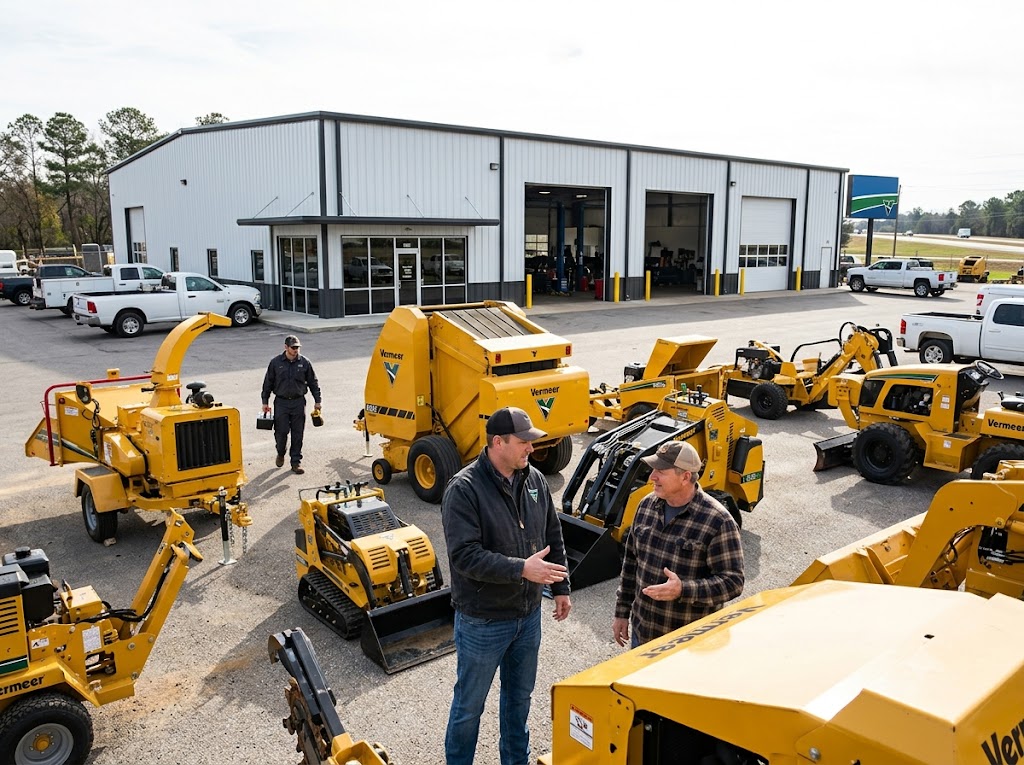
Working with a Vermeer dealer in Kansas helps businesses explore equipment options suited to their applications and operating requirements. However, choosing machinery involves more than comparing purchase prices. Buyers should understand machine capabilities, attachments, maintenance requirements, operator training, and parts availability to make a decision that supports long-term business objectives.
Identify Your Business’s Equipment Requirements
Start by identifying the work your equipment must accomplish. A machine designed for one application might not deliver the best results in a different environment, even when its advertised specifications appear attractive.
Consider these factors before evaluating models:
- Primary application: Determine whether you need equipment for trenching, directional drilling, tree care, material processing, agricultural work, or another specialized task.
- Jobsite conditions: Soil composition, terrain, available working space, and weather affect equipment selection.
- Workload: Estimate the frequency of use, project duration, and expected production requirements.
- Transportation: Consider machine dimensions, transport weight, loading arrangements, and applicable road regulations.
- Operator experience: Evaluate training requirements and the complexity of the controls.
- Future projects: Choose equipment that meets realistic growth plans without paying for unnecessary capacity.
Writing down your requirements before visiting a dealership makes equipment comparisons more objective and productive.
Understand the Applications of Different Equipment Types
Vermeer manufactures equipment for several industries, so buyers should focus on the machine category that matches their work.
Horizontal Directional Drills
Directional drilling equipment supports underground utility installation with reduced surface disruption compared with certain open-cut methods. Contractors should evaluate drilling capacity, tracking technology, tooling compatibility, fluid management, and the ground conditions expected on their projects.
Trenchers
Trenchers create channels for applications such as utility installation, irrigation, and other underground infrastructure work. Important considerations include digging depth, trench width, soil conditions, mobility, and the compatibility of cutting components with the intended application.
Tree Care Equipment
Tree care professionals might require brush chippers, stump cutters, or related machinery. Selection depends on material diameter, processing volume, transportation requirements, and available space at the worksite.
Agricultural and Material Processing Equipment
Agricultural businesses and contractors working with organic material should evaluate equipment according to crop or material characteristics, expected throughput, and seasonal operating demands. Confirm that a specific machine is designed for the intended material and application.
Questions to Ask Before Purchasing Equipment
Once you identify a suitable equipment category, compare available models using documented specifications and realistic operating needs.
Ask the dealer:
- Which model best matches the work I perform most frequently?
- What are the machine’s operating capacity and transportation requirements?
- Which attachments and accessories are compatible?
- What maintenance intervals and consumable parts should I budget for?
- How are replacement parts obtained?
- What warranty coverage applies, and which conditions or exclusions are important?
- Is operator training or equipment familiarization available?
- What financing or purchasing arrangements are offered?
Request written information wherever possible. Comparing documented specifications helps you avoid selecting equipment based on assumptions or sales descriptions alone.
Why Maintenance and Parts Support Matter
Even well-built equipment experiences wear during normal operation. Preventive maintenance helps identify developing problems before they interrupt scheduled work.
Follow the manufacturer’s maintenance schedule for lubrication, fluid checks, filters, cutting components, hydraulic systems, and other serviceable parts. Inspect equipment before use and record completed maintenance so operators and service personnel can identify recurring issues.
Keep suitable replacement parts and consumables available when downtime would significantly affect project schedules. The appropriate inventory depends on machine type, usage frequency, and the availability of local service support. Before purchasing, ask whether the dealer offers loaner equipment or rental options during major repairs. Access to a temporary replacement machine can help businesses maintain project schedules and reduce the financial impact of unexpected downtime.
Operators should also report unusual vibration, fluid leaks, overheating, reduced performance, or unexpected warning indicators. Continuing to operate equipment with unresolved mechanical problems can increase damage and repair costs.
Calculate the Total Cost of Equipment Ownership
The purchase price represents only one part of an equipment investment. Businesses should estimate operating expenses over the expected ownership period.
Include fuel or energy, maintenance, repairs, transportation, insurance, storage, operator training, and financing costs. Consider how many productive hours the equipment needs to deliver and how downtime would affect revenue.
For some companies, purchasing used equipment is a practical option. Before committing, review available maintenance records, engine and machine operating hours, service history, visible wear, and inspection findings. Operating hours provide an important indication of how much a machine has been used, although maintenance quality and working conditions also affect its condition. Arrange a qualified mechanical evaluation when appropriate, and confirm the terms of any warranty or sale agreement.
Support Safe and Productive Equipment Operation
Proper training and documented operating procedures help reduce preventable incidents. Employees should understand machine controls, required personal protective equipment, exclusion zones, emergency shutdown procedures, and jobsite hazards.
Underground work requires particular care. Before excavation or drilling, contact 811, the national call-before-you-dig service, to initiate the underground utility-locating process. Follow the applicable waiting periods and marking procedures before work begins. Verify the worksite’s underground infrastructure requirements, and never assume that existing utility records are complete or that underground hazards are absent.
Choose Equipment With Confidence
Choosing specialized machinery requires a clear understanding of project demands, machine capabilities, maintenance obligations, and long-term ownership costs. A careful purchasing process helps Kansas businesses invest in equipment that supports productivity and operational reliability.
Before making a purchase, discuss your applications, budget, service expectations, and future workload with a qualified equipment professional. Request model comparisons and detailed specifications to identify equipment that fits your business. You can also explore specialized equipment and welding services to learn more about the services available through the company.