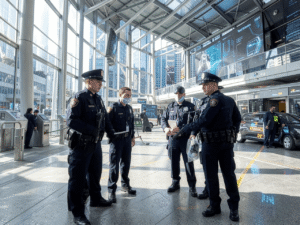
Public safety strategies continue to evolve as law enforcement agencies, correctional facilities, and professional security organizations face increasingly complex operational challenges. Maintaining order, protecting communities, and managing high-pressure situations require more than traditional security measures. Organizations must also consider accountability, risk assessment, preparedness, and responsible decision-making. Less-lethal defense equipment has become an important part of modern public safety planning. It provides authorized agencies with additional response options that can support structured use-of-force policies while helping reduce the risk of severe injury. However, equipment alone cannot guarantee safe outcomes. Its effectiveness depends on appropriate training, clear procedures, and responsible oversight.
Understanding the role of less-lethal equipment can help public safety organizations develop more comprehensive strategies for managing challenging situations.
1. Understanding the Role of Less-Lethal Equipment
Less-lethal equipment refers to specialized defensive tools designed to provide alternatives to conventional lethal force in certain operational situations.
These systems may include:
- Less-lethal launchers and compatible munitions.
- Chemical irritant delivery systems.
- Impact-based response equipment.
- Distraction and signalling devices.
- Other specialized defensive technologies.
Different equipment categories serve different operational purposes. Agencies must evaluate each option according to its intended application, associated risks, legal requirements, and organizational policies.
It is also important to recognize that less-lethal does not mean risk-free. Every system requires appropriate assessment, training, and oversight.
2. Supporting More Comprehensive Public Safety Strategies
Modern public safety involves more than responding to incidents after they occur. Agencies must establish procedures that prioritize prevention, communication, preparedness, and proportionate responses.
Less-lethal equipment can contribute to these broader strategies by providing additional options within an established use-of-force framework.
A comprehensive approach should consider:
- Incident prevention and early intervention.
- Clear communication between personnel.
- Appropriate risk assessment.
- Access to suitable response equipment.
- Medical preparedness and post-incident procedures.
- Documentation and accountability.
Integrating equipment into a structured operational framework helps organizations make more informed decisions while maintaining their commitment to public safety.
3. Prioritizing De-Escalation and Responsible Decision-Making
De-escalation remains an important element of professional security and law enforcement operations.
Situations involving public disturbances, non-compliance, or heightened tension can develop rapidly. Responders must assess changing circumstances and consider appropriate alternatives before taking further action.
Responsible decision-making involves understanding the seriousness of a situation, considering potential risks to bystanders, and following established organizational policies.
Less-lethal equipment should complement communication, negotiation, and other appropriate interventions rather than replace them.
The objective should always remain the safe resolution of an incident with the least necessary risk to everyone involved.
4. The Importance of Training and Operational Preparedness
Equipment selection is only one part of an effective public safety strategy. Personnel also need appropriate training to understand equipment limitations, organizational procedures, and applicable use-of-force requirements.
Training programs should address:
- Equipment familiarity and manufacturer guidance.
- Applicable legal and policy requirements.
- Risk recognition and situational awareness.
- De-escalation and communication.
- Medical response and emergency procedures.
- Incident reporting and accountability.
Regular training reviews also help organizations identify knowledge gaps and maintain consistent operational standards.
Without proper preparation, even well-designed equipment may introduce unnecessary risks.
5. Evaluating Equipment for Professional Security Requirements
Every organization has different operational responsibilities. A correctional facility, law enforcement department, and professional security organization may require different equipment categories depending on their operating environments.
When evaluating less lethal defense solutions, agencies should consider more than product availability or initial purchasing costs.
Important evaluation factors include:
- Intended Application: Determine whether the equipment is appropriate for the organization’s documented operational requirements.
- Quality and Reliability: Review manufacturing standards and available product documentation.
- Training Requirements: Confirm that personnel can receive appropriate instruction and certification where required.
- Policy Compatibility: Ensure that equipment selection aligns with applicable laws and organizational use-of-force policies.
- Maintenance and Support: Evaluate manufacturer guidance, inspection requirements, and technical support availability.
- Accountability: Consider how equipment inventory, authorization, and incident records will be maintained.
A structured evaluation process supports more responsible procurement decisions and helps agencies maintain consistent standards.
6. Understanding Specialized Equipment Options: LLD 20 Gauge Defender
Professional agencies may evaluate different specialized equipment options when reviewing their operational requirements.
The LLD 20 Gauge Defender is a product to consider within the broader discussion of specialized less-lethal defence equipment offered by Less Lethal DefenX.
When evaluating a particular model, authorized organizations should review its official product specifications, intended applications, compatibility information, manufacturer documentation, and applicable training requirements.
Product selection should never be based on a name or general category alone. Agencies need verified technical information and a clear understanding of the equipment’s limitations before making procurement decisions.
This evaluation process helps ensure that selected equipment aligns with organizational responsibilities, applicable regulations, and established safety procedures.
7. Improving Accountability Through Equipment Management
Accountability is essential to maintaining professional standards in public safety operations.
Organizations should establish clear procedures for managing specialized equipment throughout its operational lifecycle.
Effective equipment management may include:
- Maintaining accurate inventory records.
- Recording equipment assignments and authorization.
- Conducting scheduled inspections.
- Following manufacturer storage and maintenance instructions.
- Documenting training and certification.
- Maintaining incident and post-deployment reports.
These practices improve organizational oversight and make it easier to review equipment-related decisions.
Consistent documentation also supports internal assessments, policy reviews, and operational improvements.
8. Considering Public Trust and Community Safety
Public trust is an important measure of effective public safety management. Communities expect security organizations to demonstrate professionalism, transparency, and responsible conduct.
The introduction of less-lethal equipment should therefore be supported by clear policies and appropriate accountability measures.
Organizations should consider how equipment decisions affect public confidence, personnel responsibilities, and the safety of surrounding communities.
Communication, transparent procedures, and consistent oversight can help demonstrate that equipment is part of a broader commitment to responsible security practices rather than an isolated operational solution.
9. Integrating Technology and Modern Security Planning
Technology continues to influence how public safety organizations plan, manage, and evaluate their operations.
Modern security planning may involve digital reporting systems, equipment inventory platforms, communication technologies, and incident review processes.
These tools can help organizations maintain more accurate records and identify opportunities to improve operational procedures.
For example, structured reporting systems can support:
- Equipment tracking and inventory management.
- Training and certification records.
- Incident documentation.
- Maintenance scheduling.
- Internal performance reviews.
Combining appropriate technology with professional training and clear procedures can strengthen organizational preparedness.
10. Selecting a Reliable Less-Lethal Equipment Provider
Choosing an equipment provider is an important part of developing a responsible public safety program.
Organizations should evaluate suppliers based on product information, manufacturing quality, technical support, training resources, and their ability to meet applicable procurement requirements.
Less Lethal DefenX, powered by Lamperd Less Lethal, provides specialized defence equipment and solutions for authorized law enforcement, military, correctional, and security organizations.
Its product range includes specialized launchers, ammunition, and other defensive equipment. The company also highlights manufacturing quality, professional support, and training as part of its approach to serving authorized organizations.
Working with an experienced provider can help agencies obtain relevant product information and evaluate available options according to their operational requirements.
Conclusion
Modern public safety strategies require a balanced approach that combines prevention, communication, preparedness, and responsible equipment management. Less-lethal equipment can provide additional response options, but its effectiveness depends on the people, policies, and procedures surrounding its use.
By prioritizing professional training, appropriate procurement, equipment accountability, and community safety, organizations can develop more comprehensive operational frameworks.
For law enforcement agencies, correctional facilities, and authorized security organizations, evaluating specialized equipment through a structured and responsible process remains an important part of modern public safety planning.
Frequently Asked Questions
What is the role of less-lethal equipment in modern public safety?
Less-lethal equipment provides authorized organizations with additional response options within established use-of-force frameworks. It can support incident management while emphasizing proportionality, training, and accountability.
What types of less-lethal equipment are used by professional agencies?
Depending on their responsibilities, agencies may evaluate specialized launchers, compatible munitions, chemical irritant systems, impact-based equipment, and distraction devices. Each category has specific requirements and limitations.
Why is training important when using less-lethal equipment?
Training helps personnel understand equipment limitations, applicable policies, legal responsibilities, risk factors, and reporting procedures. It is essential for maintaining professional standards and responsible decision-making.
What should agencies consider when selecting less-lethal defense solutions?
Agencies should evaluate intended applications, product specifications, manufacturing quality, training requirements, policy compatibility, maintenance support, and applicable legal restrictions.
What is the LLD 20 Gauge Defender?
The LLD 20 Gauge Defender is a specialized product associated with the Less Lethal DefenX product range. Authorized organizations should consult the manufacturer’s official documentation for verified specifications and intended applications.
Does less-lethal equipment eliminate the risk of injury?
No. Less-lethal equipment can still cause serious injury or other unintended consequences. Responsible selection, appropriate training, compliance with applicable policies, and medical preparedness remain essential.
Who can obtain specialized equipment from Less Lethal DefenX?
Less Lethal DefenX serves authorized organizations, including law enforcement, military, corrections, and certified security organizations. Product availability is subject to applicable authorization and regulatory requirements.