Rodent Nest Removal and Prevention
Introduction to Rodent Nest Removal and Prevention
Rodents can cause serious problems for cars and trucks by building nests inside engine compartments, air intake systems, cabin air filters, and other hidden areas. Mice, rats, and other small rodents often search for warm, sheltered places where they can gather nesting materials and stay protected from changing weather conditions. Unfortunately, parked vehicles provide an ideal environment for these pests, especially when vehicles remain unused for extended periods.
Rodent infestations can lead to unpleasant odors, damaged wiring, blocked ventilation systems, contaminated surfaces, and costly repairs. Chewed wires can even affect important vehicle functions, making rodent activity a concern for vehicle owners. Professional rodent nest removal and prevention can help address these problems while reducing the likelihood of future infestations.
Understanding the warning signs of rodent activity, knowing how to remove nests safely, and adopting preventive maintenance habits can help protect your vehicle. With proper care and attention, car and truck owners can maintain cleaner interiors, safer engine compartments, and better overall vehicle condition.
Why Rodents Build Nests Inside Cars and Trucks
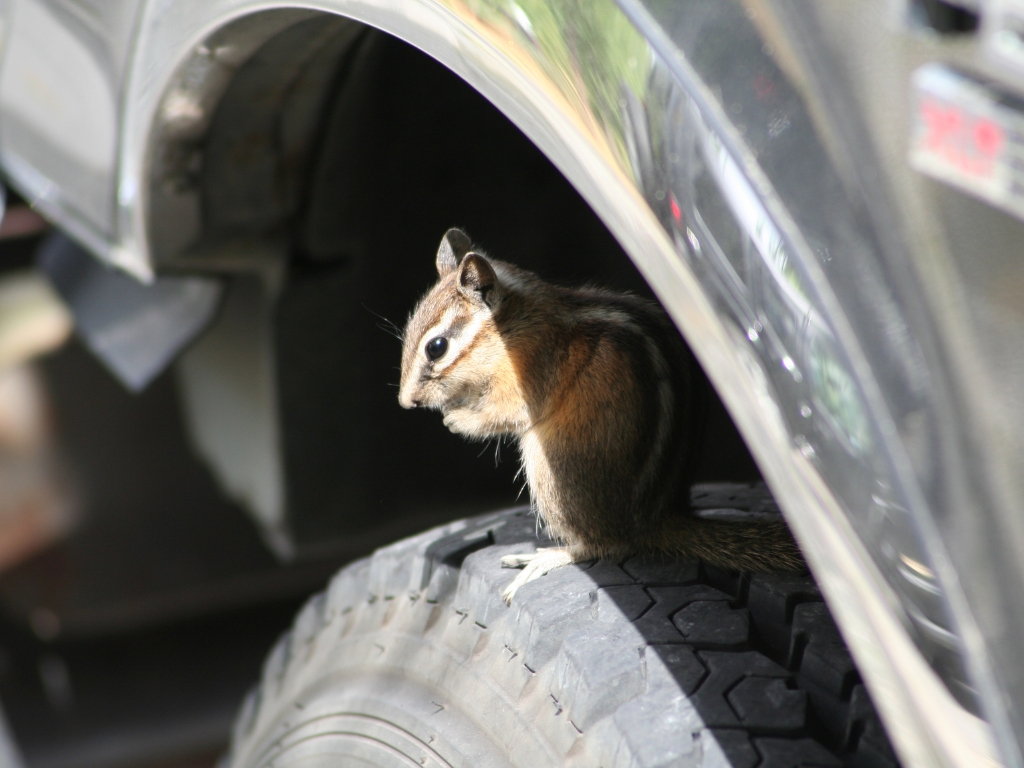
Rodents are attracted to vehicles because they offer warmth, shelter, and protection from predators. During colder months, an engine compartment that retains heat after driving may become an attractive nesting location. Vehicles parked in garages, barns, driveways, or wooded areas can also provide easy access to mice and rats looking for a secure place to live.
Small openings around the engine bay, wheel wells, ventilation systems, and other vehicle components can allow rodents to enter. Once inside, they may use leaves, grass, paper, insulation, fabric, and other available materials to construct nests. These materials can accumulate in difficult-to-reach spaces and may remain unnoticed until the vehicle develops an odor or mechanical problem.
Trucks that sit unused for long periods may face similar risks, particularly when parked near fields, storage buildings, or areas with heavy rodent activity. Regular inspections and effective rodent nest removal and prevention practices are important for vehicles that are driven infrequently.
Common Signs of Rodent Activity in Your Vehicle
Recognizing the early signs of rodent activity can help prevent extensive damage. One of the most noticeable indicators is the presence of nesting materials inside the engine compartment or beneath the hood. Leaves, shredded paper, grass, insulation, and small pieces of fabric may indicate that rodents have established a nesting area.
Droppings near the engine, in the cabin, around the air filter housing, or on the garage floor may also signal an infestation. Gnaw marks on plastic covers, insulation, hoses, and wiring are additional warning signs. Because rodents continuously chew to maintain their teeth, they may damage several vehicle components while searching for food or creating nesting spaces.
Unusual smells are another common indication of a rodent problem. Accumulated nesting materials, urine, droppings, and deceased rodents can create persistent unpleasant odors that spread through the vehicle’s ventilation system. Drivers may notice these smells when turning on the heating or air conditioning.
Some vehicles may also display electrical warning lights or experience unexpected performance issues if wiring has been damaged. If you suspect that rodents have affected electrical systems, avoid unnecessary driving and arrange a professional inspection. Prompt rodent nest removal and prevention can help limit further damage and identify problems before they become more expensive.
The Importance of Professional Rodent Nest Removal
Removing rodent nests requires more than simply clearing visible debris. Nests may be located beneath engine covers, around wiring harnesses, near cabin air filters, or inside other enclosed spaces. Improper removal can spread contaminated materials, damage delicate vehicle components, or leave nesting debris behind.
Professional rodent nest removal and prevention begins with a careful inspection of the affected areas. A trained detailing or vehicle-care professional can look for nesting materials, droppings, chew marks, unusual odors, and other evidence of rodent activity. This inspection helps determine which areas require attention and whether additional mechanical assessment is necessary.
The removal process should be performed with appropriate protective equipment and cleaning methods. Rodent droppings and nesting materials can carry harmful pathogens, so dry sweeping or vacuuming contaminated debris without suitable precautions should be avoided. Depending on the level of contamination, professional cleaning and disinfection may be necessary.
After the nest has been removed, the surrounding area should be checked for remaining debris and signs of damage. If chewed wires, hoses, insulation, or other components are discovered, a qualified mechanic should assess them before the vehicle returns to normal use. Thorough cleaning and inspection help restore a cleaner environment while reducing the risk of ongoing problems.
How Rodents Can Damage Cars and Trucks
Rodent damage can affect several important vehicle systems. Electrical wiring is particularly vulnerable because rodents may chew through protective insulation and expose wires. This can lead to warning lights, malfunctioning accessories, starting problems, or other electrical faults. In some situations, damaged wiring can create a safety hazard.
Rodents may also chew sound-deadening materials, insulation, plastic covers, and other components inside the engine compartment. Nesting debris can block airflow around certain components or collect near areas that become hot during vehicle operation. Depending on the location and conditions, accumulated debris may create an additional fire risk.
Inside the cabin, rodents can contaminate carpets, upholstery, storage compartments, and ventilation components. Urine and droppings can produce persistent odors, while nesting materials inside the ventilation system may affect air quality. In severe cases, contamination may require extensive interior cleaning and replacement of affected filters or materials.
For truck owners, repair costs can increase when rodents damage vehicles that contain complex electrical systems or remain parked for long periods. Addressing signs of infestation early is an important part of responsible vehicle maintenance. Combining inspections, cleaning, and rodent nest removal and prevention helps reduce the chance of recurring damage.
Effective Ways to Prevent Rodents From Entering Vehicles
Prevention is an essential part of keeping cars and trucks free from rodents. One of the simplest strategies is to keep parking areas clean and remove potential food sources. Pet food, birdseed, garbage, spilled grain, and other accessible food materials can attract rodents to garages and driveways.
Vehicle owners should also remove clutter from storage areas and avoid leaving cardboard, fabric, paper, or other nesting materials close to parked vehicles. Keeping grass trimmed and reducing dense vegetation near parking spaces can make the surrounding area less attractive to rodents.
Whenever possible, park vehicles in clean, enclosed garages and inspect the space for gaps or openings that could allow rodents to enter. Garage doors should close properly, and suitable sealing methods can help reduce entry points around walls, doors, and utility openings. However, rodents may still enter a vehicle even when it is stored indoors, so regular inspections remain important.
If a vehicle will remain parked for several weeks, check the engine compartment periodically and look for new nesting materials or droppings. Starting and driving a vehicle occasionally may support general maintenance, but it should never be considered a guaranteed rodent deterrent. Before starting a vehicle after a long period of storage, inspect for nests and obvious damage.
A consistent rodent nest removal and prevention routine helps identify potential issues early and keeps the vehicle’s parking environment cleaner.
Natural and Practical Rodent Deterrent Strategies
Some vehicle owners use deterrents such as peppermint-scented products, commercial rodent repellents, or devices designed to discourage rodents. However, the effectiveness of these products varies, and scents alone should not be relied upon to prevent infestations. Rodents can become accustomed to certain deterrents, and products may lose effectiveness over time.
When choosing a deterrent, select one specifically intended for the location and application. Follow the manufacturer’s instructions carefully and avoid placing chemicals, loose materials, or devices where they could interfere with belts, fans, electrical components, ventilation openings, or engine operation.
Avoid using mothballs or other household chemicals inside engine compartments unless the product is specifically labeled for that use. Improper application can expose people and pets to harmful substances and may damage vehicle materials.
Physical exclusion can be more reliable when performed appropriately. Sealing openings in garages, reducing access to nesting materials, and using suitable vehicle-specific protective products may help lower the risk of rodent entry. Any protective installation should be compatible with the vehicle and should not obstruct cooling, airflow, drainage, or moving parts.
The best approach to rodent nest removal and prevention combines environmental management, regular inspections, appropriate deterrents, and professional assistance when needed.
Maintaining a Clean Vehicle Interior After Rodent Infestation
Once rodents have been removed, cleaning the vehicle interior is an important step in restoring a comfortable driving environment. Contaminated carpets, floor mats, seats, storage compartments, and ventilation components may require specialized attention depending on the severity of the infestation.
Professional interior detailing can help remove ordinary dirt and debris, while appropriate sanitation procedures address contamination in affected areas. Materials such as fabric, carpet, and foam may absorb odors, making treatment more challenging when urine or other contaminants have penetrated deeply.
Cabin air filters should be inspected and replaced when contaminated or damaged. If the ventilation system contains nesting materials or persistent odors, further inspection may be necessary to determine whether additional cleaning or component replacement is required.
Odor treatments should be selected according to the source of the smell. Simply covering an unpleasant odor with fragrance will not eliminate the underlying contamination. Effective cleaning focuses on removing the source, treating affected surfaces appropriately, and ensuring that contaminated materials are handled safely.
For a vehicle that has experienced a substantial infestation, professional rodent nest removal and prevention combined with thorough interior cleaning can help restore cleanliness and improve the overall driving experience.
Why Regular Vehicle Inspections Matter
Regular inspections are particularly important for vehicles parked outdoors, stored in barns, or left unused during winter. Checking beneath the hood, around the air intake, near accessible wiring, and around parking spaces can reveal early signs of rodent activity.
Vehicle owners should pay attention to unexplained odors, new debris, unusual sounds, and dashboard warning lights. These signs do not always indicate rodents, but they deserve investigation when combined with evidence of nesting or chewing.
Before a long journey, especially after extended storage, check for visible nesting materials and signs of damaged components. If you discover a nest near electrical wiring or other critical systems, do not attempt to operate the vehicle until it has been assessed appropriately.
Routine professional detailing and maintenance can also help identify contamination that may otherwise go unnoticed. Although detailing cannot guarantee that rodents will never return, it can support a cleaner vehicle and help owners address certain problems before they become more difficult to manage.
When to Contact a Professional
Professional assistance is recommended when a nest is located in a difficult-to-reach area, contamination is extensive, persistent odors remain, or wiring and other vehicle components appear damaged. Rodent infestations involving the ventilation system may require specialized cleaning, while damaged electrical components should be evaluated by a qualified mechanic.
Attempting to remove a nest without proper protective equipment can expose you to potentially harmful contaminants. If you discover droppings or nesting materials, avoid disturbing them unnecessarily. Follow appropriate public-health guidance and arrange professional cleaning when the contamination is substantial or its extent is uncertain.
A vehicle detailing specialist can help with appropriate cleaning and odor treatment, while a mechanic can address damage that affects vehicle operation. In cases involving significant infestation, both services may be necessary.
Choosing a professional who understands the importance of safe cleaning, careful inspection, and preventive maintenance can make rodent nest removal and prevention more effective over the long term.
Conclusion
Rodents can cause significant problems for cars and trucks, from unpleasant interior odors to damaged wiring, contaminated ventilation systems, and expensive repairs. Fortunately, vehicle owners can reduce these risks by recognizing warning signs early, keeping parking areas clean, inspecting vehicles regularly, and addressing infestations promptly.
Effective rodent nest removal and prevention involves identifying the source of the problem, removing contaminated nesting materials safely, cleaning affected areas appropriately, and reducing the conditions that attract rodents. Professional detailing and mechanical inspections can provide additional support when contamination or damage extends beyond basic cleaning.
By adopting consistent preventive habits and seeking expert assistance when needed, car and truck owners can protect their vehicles, maintain cleaner interiors, and reduce the likelihood of recurring infestations. A proactive approach to rodent nest removal and prevention helps support long-term vehicle care, reliability, and peace of mind.