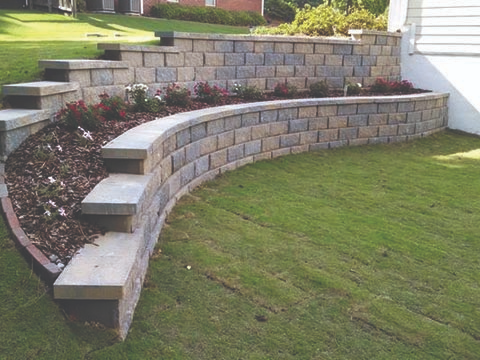
Retaining walls Cedar Creek and Buccan are versatile architectural elements designed to manage soil and enhance land usability in a variety of environments. These structures are particularly valuable in areas with uneven terrain, where they prevent soil displacement and stabilise landscapes. Their functionality extends beyond structural purposes, as retaining walls can also improve drainage, reduce erosion, and create visually appealing outdoor spaces. In regions like Buccan and Cedar Creek, retaining walls play a critical role in sustainable land management, integrating practicality with aesthetic design.
The Role of Retaining Walls in Buccan
Retaining walls in Buccan are fundamental in maintaining the stability of sloped terrains and supporting infrastructure development. These structures are particularly effective at preserving land integrity by preventing soil displacement in areas prone to erosion. Retaining walls can also enhance outdoor spaces by creating level surfaces, making previously unusable land accessible for landscaping or functional purposes. Their ability to integrate with the natural environment through materials such as stone or timber adds a visually appealing dimension to their practical benefits.
By supporting the structural and aesthetic needs of properties, retaining walls play a crucial role in managing Buccan’s diverse landscapes. Additionally, their design often incorporates drainage solutions to ensure proper water management and prevent damage from excessive runoff. This combination of practicality and design makes them a valuable feature in the region.
Retaining Walls in Cedar Creek: A Vital Element
Retaining walls in Cedar Creek are essential for land management, particularly in areas with varied terrain. These structures help maintain the integrity of slopes by holding back soil, preventing erosion and ensuring stability. Additionally, they help preserve local ecosystems by minimising the impact of runoff and protecting surrounding natural habitats.
Designed to blend with the environment, retaining walls also enhance the aesthetic appeal of outdoor spaces. Their functionality and environmental benefits make them an integral part of the region’s landscape development, supporting both sustainable practices and the local community’s needs.
Preventing Soil Erosion with Retaining Walls Buccan
Retaining walls Buccan play a pivotal role in protecting Buccan’s landscapes from the damaging effects of soil erosion. By stabilising sloped terrain, these structures help maintain the soil’s natural composition, preventing displacement during heavy rainfall. This preservation is particularly beneficial for areas where the integrity of the land is crucial for both environmental and structural reasons.
The strategic design of retaining walls also helps control water flow, reducing its impact on vulnerable soil. In doing so, they minimise the risk of gullying or sediment accumulation, which could otherwise disrupt the local ecosystem. Furthermore, by maintaining land stability, retaining walls support the longevity of plant life by providing a secure environment for roots to thrive. These combined benefits make retaining walls essential for sustainable land use in Buccan.
Soil Stabilisation in Cedar Creek
Retaining walls contribute significantly to soil stabilisation in Cedar Creek by securing sloped terrains and preventing soil displacement. These structures are particularly effective at reducing landslide risk, ensuring that the land’s natural contours remain intact. By providing essential support to unstable soil, retaining walls help preserve the integrity of gardens, pathways, and other outdoor features.
Additionally, their strategic construction helps maintain the health of the surrounding landscape, providing a stable foundation for vegetation and reducing the impact of environmental factors such as heavy rainfall or strong winds. This stability ensures the long-term usability and sustainability of both residential and communal spaces, supporting Cedar Creek’s efforts in effective land management.
Enhancing Property Value in Buccan
Retaining walls in Buccan help increase property value by enhancing both functionality and visual appeal. These structures enable efficient use of sloped or uneven land, turning challenging terrain into practical, level areas suitable for various uses such as gardens, patios, or pathways. Their presence can enhance a property’s overall aesthetics, especially when it is designed with materials and finishes that complement the surrounding environment.
By integrating retaining walls into the landscape, properties in Buccan can achieve a more polished and organised appearance, making them more desirable. The combination of structural benefits and improved outdoor aesthetics ensures that retaining walls are a valuable addition to residential and commercial properties in the area.
Retaining Walls as Landscape Features in Cedar Creek
Retaining walls in Cedar Creek contribute significantly to the aesthetic integration of outdoor spaces with the natural environment. These structures can be designed to harmonise with the surrounding landscape by incorporating materials such as stone or timber that reflect the area’s natural elements. By creating visually striking focal points, retaining walls enhance the overall character of the space while maintaining functionality.
Additionally, their customisable designs allow for the incorporation of features such as planters or seating areas, further blending practicality with aesthetic appeal. Their ability to merge seamlessly with various terrains ensures they complement both residential and communal outdoor environments. By serving as both structural and decorative elements, retaining walls elevate the visual and functional aspects of landscapes in Cedar Creek.
Improving Drainage Systems in Buccan
Retaining walls in Buccan play a significant role in ensuring effective drainage, particularly in areas prone to heavy rainfall. Their design ensures controlled water flow, directing it away from structures and preventing pooling or waterlogging. By incorporating features such as weep holes and drainage channels, these walls help mitigate the risk of soil erosion and flooding.
Additionally, the regulated water movement supports the long-term stability of the surrounding landscape, preserving both structural integrity and environmental health. Retaining walls help maintain optimal soil moisture levels, which is essential for sustaining vegetation and preventing property damage. This integration of drainage functionality into their structure enhances their value as practical and environmentally supportive elements in Buccan’s varied terrain.
Effective Water Control in Cedar Creek
Retaining walls in Cedar Creek are carefully designed to support effective water management by controlling runoff movement on sloped or uneven terrain. Their construction often incorporates features such as drainage channels or weep holes, which regulate water flow and minimise the risk of soil erosion and flooding. By directing water away from vulnerable areas, these structures help to preserve the stability of the surrounding landscape.
Additionally, retaining walls help maintain balanced soil moisture levels, promote healthy vegetation, and protect nearby properties from water-related damage. This strategic approach to water control ensures that retaining walls contribute both to the functionality and environmental sustainability of outdoor spaces in the region.
Creating Usable Space in Buccan
Retaining walls in Buccan play a significant role in transforming uneven or sloping land into functional, usable spaces. By constructing terraces, these walls create level surfaces that are suitable for various applications, such as gardens, pathways, or recreational areas. This adaptability allows for better utilisation of land that might otherwise remain impractical or inaccessible.
Additionally, retaining walls can be designed to seamlessly integrate with the surrounding environment, ensuring the enhanced usability of the space while maintaining aesthetic harmony. Through their practical application, these structures support both residential and commercial landscapes, offering solutions to optimise outdoor areas across Buccan’s diverse terrain. Their presence ensures that challenging landscapes are effectively managed, enabling greater functionality and versatility.
Expanding Outdoor Areas in Cedar Creek
Retaining walls in Cedar Creek are instrumental in transforming sloped or uneven terrains into practical, multi-level outdoor areas. By facilitating the creation of terraces, these walls maximise the use of available land, enabling spaces to be adapted for gardening, pathways, or recreational activities. This approach not only enhances the landscape’s functionality but also its overall appearance.
The use of retaining walls ensures that outdoor spaces are efficiently utilised while maintaining structural stability and visual harmony, supporting the diverse needs of residential and communal properties in Cedar Creek.
Retaining Walls as Noise Barriers in Buccan
Retaining walls in Buccan help reduce noise levels, particularly in areas affected by traffic or other external sources. These structures act as barriers, absorbing and deflecting sound waves to create quieter surroundings. The effectiveness of retaining walls in managing noise depends on factors such as their height, thickness, and construction materials.
By mitigating unwanted sounds, retaining walls enhance the comfort and functionality of outdoor spaces. Their dual purpose of structural support and noise reduction makes them a practical addition to both residential and commercial properties in Buccan.
Sound Reduction with Retaining Walls in Cedar Creek
Retaining walls in Cedar Creek serve an additional purpose by helping reduce noise in outdoor environments. Their structure and materials can absorb and deflect sound waves, making them effective in minimising noise from nearby roads or industrial areas.
This capability enhances the tranquillity of residential spaces, particularly in regions where external noise could disrupt daily life. By integrating retaining walls into landscape designs, properties benefit not only from their structural support but also from their ability to foster a more peaceful and comfortable atmosphere.
Conclusion
Retaining walls Cedar Creek and Buccan provide indispensable engineering and aesthetic solutions across Australia, transforming challenging terrains into safe, usable, and attractive outdoor spaces. By controlling soil movement, preventing erosion, and managing heavy stormwater runoff, these structures safeguard property investments and preserve land integrity. Constructed from durable materials like natural stone, concrete, and timber, retaining walls deliver long-term stability while expanding functional living areas through terracing. Their ability to act as noise barriers further enhances outdoor comfort. Ultimately, investing in professionally constructed retaining walls delivers a complete synthesis of structural protection, environmental sustainability, and increased property value.
FAQs
How do retaining walls Cedar Creek and Buccan prevent soil erosion on sloped properties?
Retaining walls Cedar Creek and Buccan hold back unstable soil on steep gradients, preventing movement caused by gravity and rainfall. By intercepting surface runoff and stabilizing topsoil, these structures prevent deep erosion, gullying, and sediment loss. This crucial support protects property foundations, supports vegetation roots, and preserves overall land integrity across varied Australian landscapes.
What are the most common materials used for retaining walls?
Popular construction choices include reinforced concrete blocks, natural stone, brick, and treated timber sleepers, each selected for durability and visual appeal. Concrete blocks and natural stone offer superior load capacity and moisture resistance, while treated timber provides a rustic look. Choosing high-quality materials ensures structural longevity under diverse environmental conditions.
Can retaining walls help manage stormwater and drainage issues?
Yes, engineered retaining walls incorporate vital drainage features such as weep holes, gravel backfill, and perforated pipes. These components channel excess water away from the wall structure, preventing hydrostatic pressure build-up behind it. Efficient water redirection prevents soil saturation, pooling, flooding, and potential structural damage during heavy rain events.
How do retaining walls create usable space on uneven terrain?
Retaining walls carve sloped or uneven ground into flat, terraced levels, transforming impractical land into usable zones. These created level surfaces are ideal for garden beds, paved patios, pathways, and outdoor entertaining spaces. Terracing optimizes land efficiency while providing structural stability and enhancing the general functionality of residential properties.
Do retaining walls provide acoustic benefits for properties?
Dense retaining walls constructed from thick materials like stone, brick, or concrete effectively absorb and deflect ambient sound waves. When strategically positioned, these structures act as functional noise barriers that reduce sound transmission from nearby roadways and traffic. This dual structural and acoustic purpose helps foster quieter, more peaceful outdoor environments.
| Related Business Listings |
| Contact Directory |
| Local Business Profiles |