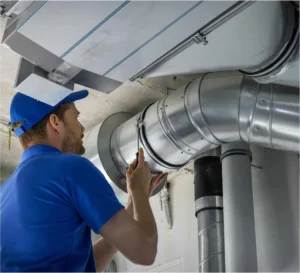
Damaged, rusty or outdated vent covers can make an otherwise well-maintained home look neglected. More importantly, poorly fitted covers may affect airflow, collect dust or create annoying rattling noises whenever the heating or cooling system operates. If your air vents are cracked, loose or difficult to clean, it may be time to Replace vent covers.
Vent covers are visible components of ducted heating, ventilation and air conditioning systems. They help direct air into rooms, protect duct openings and provide a finished appearance to walls, floors and ceilings.
Over time, these covers can deteriorate because of moisture, regular cleaning, accidental damage or general wear.
Some become discoloured, while others develop broken louvres or damaged mounting points.
Replacing an old cover is often a relatively straightforward home improvement, provided the replacement is correctly sized and compatible with the ventilation system.
However, choosing a new vent cover involves more than matching its colour to your interior.
The size, material, airflow capacity and installation location all influence its suitability.
Whether you’re renovating your home, maintaining a ducted heating system or improving the appearance of your rooms, understanding how to Replace vent covers can help you avoid unnecessary expenses and installation mistakes.
This guide explains when replacement is necessary, the different vent cover types, installation considerations, costs, maintenance and frequently asked questions.
What Are Vent Covers and Why Are They Important?
Vent covers are fittings installed over ventilation openings in walls, floors or ceilings.
They are commonly used in ducted heating, air conditioning and general ventilation systems.
Depending on their design, vent covers may direct airflow, protect openings or provide a decorative finish.
Some covers include adjustable louvres that allow users to change the direction of air entering a room.
Others are fixed grilles designed to permit unrestricted airflow.
When homeowners decide to Replace vent covers, they should first identify the function of the existing fitting.
A supply-air vent delivers conditioned air into a room.
A return-air grille allows air to flow back toward the heating or cooling system.
These components serve different purposes and shouldn’t automatically be treated as interchangeable.
Vent covers also vary in their attachment methods.
Some use screws, while others rely on clips or specialised mounting frames.
Selecting a suitable replacement helps maintain proper airflow and ensures the cover fits securely.
Signs You Need to Replace Vent Covers
Vent covers can last for years, but damage and deterioration may eventually make replacement necessary.
Some problems are mainly cosmetic, while others affect how the fitting operates.
Common warning signs include:
- Cracked or broken plastic
- Rust or corrosion on metal surfaces
- Loose covers that rattle during system operation
- Damaged or missing louvres
- Discolouration that cannot be removed through cleaning
- Bent or distorted grilles
- Broken mounting clips or screw holes
- Covers that no longer fit securely
- Difficulty adjusting airflow direction
Homeowners may also choose to Replace vent covers during renovations.
For example, an old cream-coloured plastic vent may look out of place after a room has been painted or modernised.
However, not every dirty or noisy vent requires replacement.
Dust accumulation can often be addressed through cleaning.
Rattling may sometimes result from loose screws rather than a damaged cover.
Inspect the fitting before purchasing a replacement.
If the cover is structurally sound, cleaning or minor adjustment may be sufficient.
Different Types of Vent Covers Used in Homes
Vent covers are available in various designs to suit different ventilation systems and installation locations.
Understanding the main categories helps homeowners choose suitable replacements.
Ceiling Vent Covers
Ceiling vents are commonly used in ducted air conditioning and heating systems.
They may include directional louvres or diffuser designs that distribute air across the room.
Wall Vent Covers
Wall-mounted covers are used for supply and return-air openings.
They are available in fixed and adjustable designs.
Floor Vent Covers
Floor registers are installed over duct openings in flooring.
They must be suitable for their location and expected foot traffic.
Return-Air Grilles
Return-air grilles allow air to circulate back toward the heating or cooling equipment.
They often have larger openings than supply vents.
Decorative Vent Covers
Decorative grilles are available in various patterns, finishes and materials.
They can complement traditional or modern interiors.
When planning to Replace vent covers, identify the existing type before selecting a new product.
The replacement should suit both the duct opening and the ventilation system’s airflow requirements.
Why Homeowners Replace Vent Covers
There are several reasons to replace old ventilation fittings.
Some homeowners want to improve the appearance of their rooms.
Others need to address damaged components or restore proper airflow direction.
A common reason to Replace vent covers is physical deterioration.
Plastic covers may become brittle over time, particularly in areas exposed to sunlight or temperature changes.
Metal grilles can develop corrosion in damp environments.
Another reason is renovation.
New flooring, wall finishes or paint colours may make existing covers look outdated.
Replacing them can create a more consistent appearance throughout the home.
Some homeowners also want adjustable vents that allow better control over airflow direction.
However, vent covers shouldn’t be selected solely for appearance.
An attractive grille with insufficient open area may restrict airflow.
The best replacement combines suitable dimensions, appropriate materials and compatibility with the existing system.
How to Measure Vent Covers Correctly
Accurate measurements are essential when purchasing replacement vent covers.
One of the most common mistakes is measuring only the visible outside dimensions.
Many vent covers are sold according to the size of the duct opening rather than the overall faceplate.
Before you Replace vent covers, determine how the existing fitting is mounted.
For a rectangular vent, measure the width and height of the duct opening.
Then measure the outside dimensions of the existing cover.
For circular ceiling vents, measure the relevant duct or mounting diameter.
Also check the depth of the fitting and any clips or mounting brackets.
Some replacement covers require a specific mounting frame.
If the vent is secured with screws, note the spacing between mounting holes.
Measurements should be taken carefully rather than estimated.
Even a small difference can prevent the replacement from fitting properly.
If you’re unsure which dimension the manufacturer uses, compare the product specifications with your measurements.
For unusual vent sizes, a heating and cooling technician may be able to recommend a suitable replacement.
How to Replace Vent Covers Step by Step
Replacing a simple, accessible vent cover may be manageable for homeowners with basic DIY experience.
However, installation requirements vary between products and locations.
Follow the manufacturer’s instructions and avoid working on electrical, gas or internal HVAC components.
Step 1: Identify the Existing Cover
Determine whether the fitting is a supply vent, return-air grille or another ventilation component.
Check how it is attached.
Step 2: Measure the Opening
Record the duct opening dimensions and any relevant mounting measurements.
Step 3: Select a Compatible Replacement
Choose a cover with suitable dimensions, material and airflow characteristics.
Step 4: Turn Off the System
Switch off the heating or cooling system before working on the cover.
Step 5: Remove the Existing Cover
Carefully release the screws or mounting clips according to the fitting design.
Support ceiling covers during removal to prevent them from falling.
Step 6: Clean the Accessible Opening
Remove loose surface dust without pushing debris into the ductwork.
Step 7: Install the New Cover
Fit the replacement securely using the appropriate mounting method.
Step 8: Check Operation
Restore the system and check for rattling, unusual noise or obvious airflow problems.
If the installation requires duct modification, electrical work or difficult ceiling access, hire a qualified professional.
Replacing Ceiling Vent Covers
Ceiling vents are common in Australian homes with ducted heating and cooling.
They may be circular, square or rectangular, depending on the system.
When homeowners Replace vent covers in ceilings, secure installation is particularly important.
A loose ceiling fitting can fall and cause injury or damage.
Some ceiling diffusers use clips that attach to a mounting ring.
Others may be secured using screws or specialised brackets.
Before removing the old cover, identify the attachment method.
Avoid pulling forcefully on the fitting because this may damage the surrounding plasterboard or duct connection.
Check whether the replacement requires the original mounting ring.
If the existing frame is damaged, additional work may be necessary.
Ceiling vent covers should also be compatible with the intended airflow pattern.
A diffuser designed to distribute air across a ceiling may perform differently from a simple directional grille.
If you’re uncertain about compatibility, consult an HVAC technician before purchasing.
Replacing Floor Vent Covers
Floor vent covers experience different conditions from wall and ceiling fittings.
They may be exposed to foot traffic, furniture movement, cleaning equipment and accidental impacts.
For this reason, material strength and secure fitting are particularly important.
When planning to Replace vent covers installed in flooring, select a product specifically designed for floor use.
A lightweight wall grille may not be suitable for installation in a walking surface.
Floor registers are commonly available in metal, timber and other durable materials.
The appropriate choice depends on the floor finish and installation requirements.
For example, a timber-look vent may complement hardwood flooring.
A metal register may be suitable for areas requiring greater resistance to wear.
Check the dimensions carefully.
The cover should sit securely without rocking or creating a trip hazard.
If new flooring has changed the opening dimensions, modifications may be required.
A flooring specialist or HVAC professional can help determine the safest installation method.
Replacing Wall Vent Covers
Wall vent covers are often installed in bedrooms, living areas, hallways and utility spaces.
They may be used for supply air, return air or general ventilation.
Homeowners often Replace vent covers on walls during painting or interior renovation projects.
Wall grilles are available in different shapes, finishes and louvre arrangements.
Before selecting a replacement, determine whether the existing fitting directs air into the room or allows air to return to the system.
A supply vent may include adjustable blades.
A return-air grille is generally designed to permit suitable airflow back toward the equipment.
Avoid installing a restrictive decorative grille over a large return-air opening.
This can affect system performance.
Wall covers should also be fitted securely to prevent rattling.
If the surrounding plasterboard is damaged, the mounting surface may need repair before installation.
Matching the cover to the wall colour can create a subtle finish, while contrasting metal grilles can provide a more noticeable design feature.
Best Materials for Replacement Vent Covers
Vent covers are manufactured from different materials, each offering particular advantages.
The best choice depends on the installation location, appearance and expected conditions.
Plastic Vent Covers
Plastic covers are lightweight and commonly used for ceiling applications.
They are available in various shapes and colours.
However, some plastics can become brittle or discoloured over time.
Aluminium Vent Covers
Aluminium is lightweight and resistant to rust.
It is commonly used for ventilation grilles and diffusers.
Steel Vent Covers
Steel covers can offer durability, particularly in suitable floor or wall applications.
Finishes should be selected according to moisture exposure.
Timber Vent Covers
Timber grilles can complement traditional interiors and timber flooring.
They may require additional care in damp conditions.
Decorative Metal Covers
Decorative metal grilles can provide distinctive finishes for renovation projects.
When you Replace vent covers, prioritise compatibility and airflow performance before choosing a decorative finish.
Can Replacing Vent Covers Improve Airflow?
Replacing a damaged or unsuitable vent cover may improve airflow in some situations.
For example, broken louvres or a badly obstructed grille can interfere with air distribution.
However, replacing the cover won’t automatically solve every airflow problem.
Weak airflow may result from dirty filters, damaged ductwork, fan problems or incorrect system balancing.
Homeowners looking to Replace vent covers for better heating or cooling should first determine whether the cover is responsible for the restriction.
A grille with a large decorative faceplate may still have a relatively small open area.
This can affect airflow resistance.
The replacement should provide suitable free area and airflow characteristics for the system.
Avoid reducing the size of a return-air opening without professional advice.
Also, don’t assume that closing multiple vents will improve efficiency.
Some ducted systems require particular airflow levels to operate correctly.
An HVAC technician can assess whether vent replacement, duct repair or system balancing is the appropriate solution.
How Much Does It Cost to Replace Vent Covers?
Vent cover replacement costs vary depending on the product, size, material and installation complexity.
A standard plastic ceiling diffuser may cost less than a custom decorative metal grille.
For preliminary budgeting in Australia, the following are illustrative product price ranges:
- Basic plastic vent covers: approximately AUD 10–40 each
- Standard metal wall grilles: approximately AUD 20–80 each
- Floor registers: approximately AUD 25–120 each
- Decorative vent covers: approximately AUD 40–200 or more each
- Custom or specialist grilles: prices vary according to design and dimensions
These are not verified current retail quotations.
When hiring a professional to Replace vent covers, labour and call-out charges may apply.
Costs may increase if the opening requires modification, mounting hardware needs replacement or the vent is difficult to access.
Replacing several covers during one visit may reduce the average labour cost per fitting.
Request a quotation that separates product costs from installation charges.
This makes it easier to compare options and plan your budget.
DIY vs Professional Vent Cover Replacement
Some vent covers can be replaced without specialist equipment.
For example, a simple wall grille secured with accessible screws may be straightforward to remove and replace.
However, not every installation is suitable for DIY work.
When deciding whether to Replace vent covers yourself, consider the location, mounting system and condition of the surrounding materials.
Professional assistance is advisable when vents are installed in high ceilings, difficult-to-access locations or fragile surfaces.
You should also seek help if the replacement requires ductwork modification.
Commercial ventilation systems may have additional design, safety and compliance requirements.
An HVAC technician can confirm whether the new fitting provides suitable airflow.
Professional installation may also be useful when replacing multiple vents throughout a property.
The installer can check consistency, fit and operation.
DIY replacement is best limited to simple, accessible fittings where the correct product and installation method are clear.
Common Mistakes to Avoid When Replacing Vent Covers
Vent cover replacement may seem straightforward, but several mistakes can create unnecessary problems.
One common error is buying a replacement based only on appearance.
A decorative grille may look attractive but provide insufficient airflow.
Another mistake is measuring the outside faceplate instead of the duct opening.
This can result in a cover that doesn’t fit.
Homeowners may also purchase wall grilles for floor applications without checking whether they can withstand foot traffic.
When you Replace vent covers, avoid forcing fittings into openings that are too small.
This can damage the cover, surrounding plasterboard or duct connection.
Another mistake is overtightening mounting screws.
Excessive force may crack plastic fittings or distort metal grilles.
Finally, avoid blocking vents with furniture or decorative objects after installation.
Proper airflow requires clear openings.
Checking compatibility, dimensions and mounting requirements before purchase can prevent most common installation problems.
How to Clean and Maintain Vent Covers
Regular cleaning helps maintain the appearance of vent covers and reduces surface dust accumulation.
The appropriate cleaning method depends on the material.
Plastic covers can often be wiped with a soft cloth and mild cleaning solution, following manufacturer instructions.
Metal grilles may require gentle cleaning to protect their finish.
Timber covers should be cleaned using products suitable for the specific surface treatment.
After you Replace vent covers, establish a simple maintenance routine.
Inspect fittings periodically for loose screws, damaged louvres and visible dust buildup.
Avoid spraying cleaning liquids directly into duct openings.
Do not use abrasive tools that may scratch decorative finishes.
If a vent becomes unusually dirty shortly after cleaning, investigate whether the heating or cooling system requires filter maintenance.
Persistent dust problems may involve other parts of the ventilation system.
A clean vent cover supports a tidy appearance, but it doesn’t replace regular HVAC servicing.
When Should You Replace All Vent Covers in Your Home?
Replacing every vent cover isn’t always necessary.
If most fittings are structurally sound and functioning correctly, selective replacement may be more economical.
However, there are situations where replacing multiple covers makes sense.
For example, a major renovation may involve new flooring, repainting and updated interior finishes.
Old vents may no longer match the room design.
Homeowners may also choose to Replace vent covers throughout the property when several fittings have become brittle, corroded or damaged.
Consistency is another consideration.
Matching vent covers can create a more uniform appearance across bedrooms, living areas and hallways.
Before purchasing replacements for the entire home, check whether all vents use the same dimensions.
Different rooms may have different supply and return-air requirements.
A professional assessment can help determine whether a whole-home replacement project is appropriate.
Choosing Vent Covers That Match Your Interior Design
Vent covers are functional components, but they also contribute to the appearance of a room.
Modern designs offer a wide range of finishes and styles.
White grilles are commonly selected for ceilings because they blend with light-coloured surfaces.
Black or dark metal covers can create contrast in contemporary interiors.
Timber finishes may complement natural flooring and traditional homes.
When planning to Replace vent covers, consider the surrounding materials and room design.
For example, a minimalist living room may benefit from a simple linear grille.
A heritage-style property may suit a more decorative metal register.
However, aesthetics should not override technical requirements.
The replacement must fit correctly and provide suitable airflow.
It should also be appropriate for the installation location.
Choosing a consistent design across similar rooms can improve visual continuity without compromising the ventilation system.
Replacing Vent Covers During Home Renovations
Home renovations provide a convenient opportunity to inspect and replace ventilation fittings.
Painting, flooring replacement and ceiling repairs may expose damaged covers or reveal outdated designs.
If you’re planning to Replace vent covers during renovation work, coordinate the project with other trades.
For example, floor vent dimensions should be confirmed before new flooring is installed.
Ceiling diffusers may need to be removed temporarily during painting.
Wall grilles should be protected from paint buildup that could interfere with adjustable louvres.
If duct openings are being relocated or resized, professional HVAC assessment is recommended.
Changing vent positions can affect airflow distribution and system performance.
A renovation is also an opportunity to inspect visible duct connections and mounting frames.
Addressing these issues before final finishes are completed may reduce future repair work.
Careful planning helps ensure the new vent covers fit properly and complement the completed interior.
Replace Vent Covers to Improve Home Comfort and Appearance
Vent covers may seem like small details, but they contribute to the appearance and operation of a home’s heating and cooling system.
Damaged, loose or outdated fittings can create unnecessary noise, collect dust and detract from otherwise well-maintained rooms.
Choosing to Replace vent covers can be a practical improvement when the existing fittings are no longer suitable.
The most important factors are correct measurements, compatible materials, appropriate airflow capacity and secure installation.
Some simple replacements can be completed by homeowners, while complex installations are better handled by qualified professionals.
Regular cleaning and inspection can also help extend the life of new fittings.
Whether you’re updating one damaged ceiling diffuser or replacing multiple grilles during a renovation, selecting suitable products helps maintain both function and appearance.
Planning to update your home’s ventilation fittings? Measure the existing openings, compare compatible products and consult an HVAC professional if the replacement may affect airflow or ductwork.
Frequently Asked Questions About Replacing Vent Covers
1. How often should you replace vent covers?
There is no universal replacement schedule. Vent covers should generally be replaced when they become damaged, corroded, loose or unsuitable for the ventilation system. Properly maintained covers may remain functional for many years.
2. Can I replace vent covers myself?
Yes, some simple wall, floor and ceiling covers can be replaced by homeowners. However, high ceilings, damaged mounting frames, duct modifications and complex ventilation systems may require professional installation.
3. How do I know what size vent cover to buy?
Measure the duct opening and check the manufacturer’s sizing method. Some products are labelled by opening dimensions rather than overall faceplate size. Also confirm mounting requirements and screw spacing.
4. Does replacing vent covers improve heating and cooling efficiency?
It may help if the existing covers are damaged or excessively restrictive. However, overall efficiency also depends on filters, ductwork, system condition and airflow balancing. Replacing covers alone won’t correct every performance issue.
5. What is the best material for vent covers?
The best material depends on the location and application. Plastic is common for ceiling diffusers, while metal is often used for wall and floor grilles. Timber and decorative finishes may suit particular interiors.
6. How much does it cost to replace vent covers in Australia?
Basic vent covers may cost around AUD 10–40 each, while decorative or specialist products can cost considerably more. Professional installation adds labour charges. Actual prices depend on size, material and supplier.
7. Can I paint my existing vent covers instead of replacing them?
Some vent covers can be painted using suitable preparation and products. However, painting may interfere with moving louvres or damage certain finishes. Replacement may be preferable when the cover is cracked, corroded or structurally damaged.
8. Are ceiling and floor vent covers interchangeable?
Not necessarily. Floor covers must be suitable for foot traffic, while ceiling diffusers may have specific airflow and mounting requirements. Always choose a product designed for the intended installation location.
9. Why does my vent cover make a rattling noise?
Rattling may result from loose screws, damaged clips, poor fitting or vibration during system operation. Some problems can be corrected through adjustment, while damaged fittings may require replacement.
10. Should I hire a professional to replace vent covers?
Professional installation is recommended when the work involves difficult access, duct modifications, unusual fittings or uncertainty about airflow compatibility. For simple, accessible covers, careful DIY replacement may be appropriate.