Refrigeration condensers and AC condensers are essential components in modern cooling systems. Although they are often located outside the main conditioned or refrigerated space, their role is critical to overall system performance. These components are responsible for releasing unwanted heat from the refrigerant, allowing the refrigeration or air conditioning cycle to continue efficiently.
acjakarta.com – From residential air conditioners and commercial refrigeration units to cold storage facilities and industrial cooling systems, condensers help maintain stable temperatures and reliable operation. Understanding how they work and why proper selection and maintenance matter can help improve system efficiency, reduce operating costs, and extend equipment life.
What Is a Condenser?
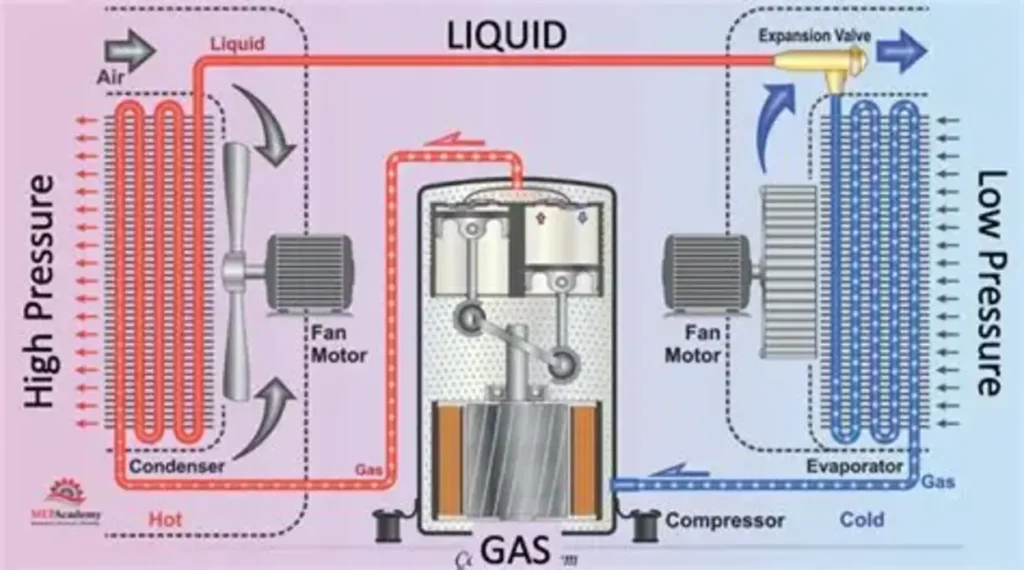
A condenser is a heat exchanger that transfers heat from a refrigerant to another medium, usually outdoor air or water. During the refrigeration cycle, the refrigerant absorbs heat from the indoor or refrigerated environment through the evaporator. It then travels to the compressor, where its pressure and temperature increase.
The high-temperature refrigerant enters the condenser as a hot gas. The condenser removes heat from the refrigerant, causing it to change from a vapor into a high-pressure liquid. This liquid then moves through the expansion device before returning to the evaporator to absorb more heat.
This continuous process allows the cooling system to maintain the desired temperature.
How Refrigeration Condensers Work
Refrigeration condensers are commonly used in applications such as commercial refrigerators, freezers, display cases, cold rooms, and industrial refrigeration systems. Their primary function is to reject heat absorbed from the refrigerated space along with the heat generated during compression.
As the refrigerant enters the condenser, it first releases sensible heat, reducing its temperature. It then undergoes condensation, changing from vapor to liquid. Finally, the liquid refrigerant may be further cooled before leaving the condenser.
Efficient heat rejection is especially important in refrigeration systems because high condensing temperatures can increase compressor workload and energy consumption. A properly sized and maintained condenser helps the system operate within its intended pressure and temperature range.
AC Condensers and Their Role in Air Conditioning
AC condensers perform essentially the same fundamental function but are designed for air conditioning applications. In a typical split air conditioner, the condenser is located in the outdoor unit. The indoor evaporator absorbs heat from the room, while the outdoor condenser releases that heat into the surrounding environment.
The outdoor unit normally contains the condenser coil, condenser fan, compressor, and associated controls. When warm refrigerant reaches the condenser coil, the fan moves outdoor air across the coil surface. Heat transfers from the refrigerant to the air, allowing the refrigerant to condense into a liquid.
A clean and efficient AC condenser is therefore essential for maintaining cooling capacity and preventing excessive system pressure.
Common Types of Condensers
Different applications require different condenser designs. The three most common types are air-cooled, water-cooled, and evaporative condensers.
Air-cooled condensers use fans to move ambient air across condenser coils. They are widely used in residential air conditioners, commercial refrigeration equipment, and many packaged cooling systems. Their relatively simple construction makes them practical and easy to maintain.
Water-cooled condensers use water to absorb heat from the refrigerant. They are often found in commercial and industrial refrigeration systems, chillers, and large HVAC installations. Because water can transfer heat efficiently, these systems can provide excellent performance where suitable water supplies and cooling infrastructure are available.
Evaporative condensers combine air movement with water evaporation to improve heat rejection. They can achieve lower condensing temperatures under appropriate conditions and are commonly considered for larger refrigeration and industrial applications.
Why Condenser Efficiency Matters
Condenser performance has a direct impact on the efficiency of the entire cooling system. When heat cannot be rejected effectively, condensing pressure can rise. The compressor may then need to work harder to circulate the refrigerant, increasing energy consumption.
A dirty condenser coil is one of the most common causes of poor heat transfer. Dust, dirt, grease, and debris can accumulate between the fins and restrict airflow. In outdoor AC systems, leaves and other materials can also obstruct the condenser.
Maintaining adequate airflow and keeping heat-transfer surfaces clean can significantly improve system performance. Proper condenser sizing is equally important because an undersized unit may struggle to reject heat during periods of high demand.
Factors to Consider When Selecting a Condenser
Choosing the right condenser requires consideration of several factors. Cooling capacity is one of the most important because the condenser must be capable of rejecting the total heat load generated by the system.
Operating conditions also matter. Ambient temperature, refrigerant type, condensing temperature, airflow, and installation environment can all influence condenser performance. For water-cooled systems, water quality and availability should also be evaluated.
Noise levels, available installation space, maintenance requirements, energy efficiency, and initial cost should be considered as part of the selection process. Working with appropriate equipment specifications helps ensure that the condenser matches the compressor and other refrigeration components.
Maintenance for Reliable Cooling
Routine condenser maintenance is essential for reliable operation. Air-cooled condenser coils should be inspected and cleaned regularly to prevent dirt buildup. Fans should also be checked for proper operation, unusual noise, and mechanical damage.
For water-cooled systems, attention should be given to water flow, scaling, corrosion, and fouling. Evaporative condensers require additional attention to water distribution and cleanliness.
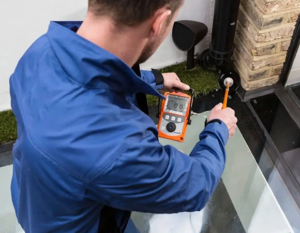
Technicians should also monitor operating pressures and temperatures. Abnormal readings can indicate problems such as restricted airflow, refrigerant issues, fouled heat-transfer surfaces, or inadequate condenser capacity.
Conclusion
Refrigeration condensers and AC condensers are fundamental to the refrigeration cycle and play a major role in reliable cooling performance. By transferring unwanted heat away from the refrigerant, they allow cooling systems to operate continuously and efficiently.
Whether used in a household air conditioner, commercial freezer, cold storage facility, or industrial refrigeration plant, a properly selected and maintained condenser can improve energy efficiency, protect the compressor, and extend equipment service life. Understanding condenser types, operating principles, selection factors, and maintenance requirements is therefore an important part of achieving dependable and cost-effective cooling.