Maintaining balanced indoor airflow can help modern homes achieve fresher air without unnecessary energy loss. A heat recovery air exchanger supports this balance by removing stale indoor air while transferring its retained thermal energy to incoming fresh air. This process enables ongoing ventilation while helping maintain steadier indoor temperatures and reducing wasted heating energy. The system can also assist with managing excess humidity, which may help limit condensation and moisture-related conditions linked to mould growth and material deterioration. By combining controlled air exchange with heat recovery, this approach supports comfortable, energy-conscious, and healthier residential environments.
Bringing Heat Recovery into Contemporary Residential Design
Heat recovery has become a valuable consideration in modern residential construction as energy efficiency and sustainable building practices gain greater importance. Incorporating heat-recovery technology can help homes respond to evolving energy priorities by reducing unnecessary losses and encouraging more efficient use of household resources.
These systems are especially useful in well-sealed, energy-efficient properties where limited natural airflow can affect indoor conditions. Capturing thermal energy from extracted air allows useful heat to be retained while maintaining regular ventilation and supporting indoor air quality. Their ability to reduce dependence on conventional heating and cooling equipment also makes them a practical option for households focused on energy performance and controlled operating costs.
Sustaining Comfortable Conditions with Heat-Recovery Ventilation
Heat-recovery ventilation can contribute to residential comfort by providing a continuous supply of fresh air while preserving useful thermal energy. Through controlled heat exchange, incoming outdoor air can receive recovered warmth during colder periods, helping reduce sudden variations in indoor temperature. The system can also assist in regulating humidity, helping address excessive moisture or overly dry conditions that may affect household comfort and the state of interior spaces.
Continuous extraction of stale air, unwanted odours, and airborne pollutants can further support a cleaner indoor environment. Unlike conventional ventilation approaches that may introduce draughts or allow conditioned air to escape, heat-recovery systems maintain controlled air movement while retaining a portion of the energy already used to condition the home.
This combination can help maintain comfortable temperatures and fresher air during colder outdoor conditions. More consistent thermal conditions and improved air circulation can contribute to a pleasant residential atmosphere. The benefits therefore extend beyond heating control by providing ongoing ventilation while helping reduce the accumulation of unwanted contaminants throughout occupied areas.
Fresh Air Exchange with Reduced Thermal Waste
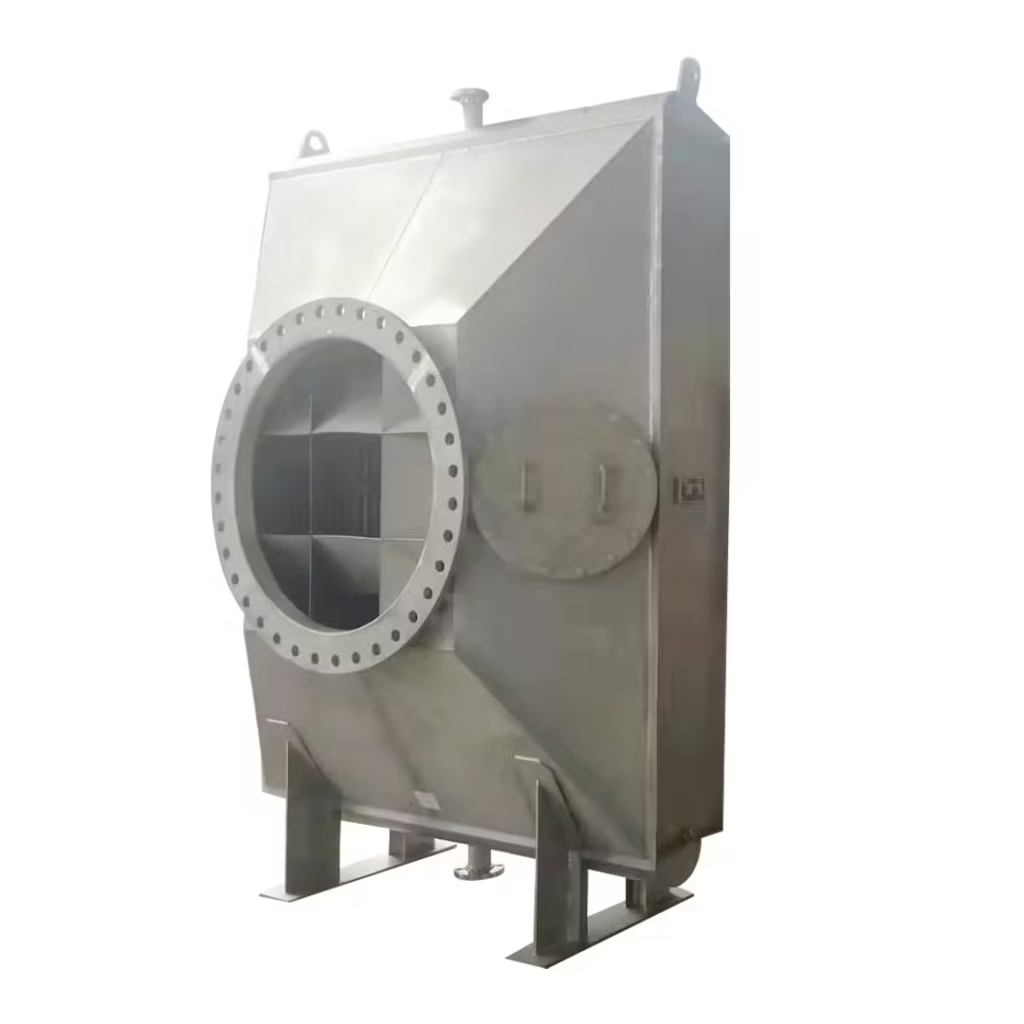
A heat-recovery air exchanger provides continuous removal of stale indoor air while introducing outdoor air with reduced thermal loss. The system uses a dedicated heat exchanger to capture energy from outgoing air and transfer it to the incoming stream without allowing the two air supplies to mix. This arrangement maintains regular fresh-air exchange while reducing the energy required to bring replacement air closer to the preferred indoor temperature.
Combining ventilation with thermal conservation can support healthier interior conditions while promoting more efficient household energy use. The approach is particularly suitable for airtight homes, where conventional ventilation can release substantial quantities of conditioned air and potentially reduce the benefits of an energy-efficient building envelope.
Filtration can provide an additional advantage by capturing selected airborne particles before fresh air enters occupied rooms. The combination of controlled air movement and recovered thermal energy demonstrates how these systems can contribute to contemporary residential design by addressing ventilation needs without overlooking energy performance.
Retaining Useful Energy from Extracted Air
The recovery of thermal energy from extracted indoor air can provide practical benefits for modern homes. Retaining warmth that would otherwise be discharged outdoors can help conserve energy and reduce the demand placed on conventional heating equipment. This approach may also contribute to more even indoor temperatures, supporting comfortable living spaces without unnecessarily increasing household energy requirements.
Heat recovery also has an important ventilation function because stale air and airborne contaminants can be continuously removed from occupied areas. This can be particularly beneficial in tightly sealed properties where opportunities for natural air exchange are limited. By reducing the thermal burden on heating and cooling equipment, efficient recovery may also help moderate operating demands and support dependable equipment performance.
From a broader sustainability perspective, reducing wasted thermal energy can support lower energy consumption and associated emissions. The combination of continuous ventilation and efficient thermal management makes heat recovery relevant to both residential and commercial buildings seeking more responsible and efficient approaches to indoor environmental control.
Understanding Thermal Transfer in an HRV Heat Transfer System
An HRV heat transfer system moves thermal energy between separate incoming and outgoing air streams within a building. As warm indoor air is extracted, it passes through a heat exchanger alongside cooler fresh air entering the ventilation system, allowing useful thermal energy to be transferred between the two streams.
The air supplies remain physically separated during this exchange, preventing direct mixing while allowing heat to move from the outgoing stream towards the incoming air. This helps conserve thermal energy, maintain more stable indoor temperatures, and provide continuous ventilation. Filtration components can also capture dust, allergens, and other airborne particles from incoming air, contributing to cleaner airflow. Controlled ventilation can further support balanced air pressure throughout the residence, helping maintain comfortable conditions and reliable building performance.
Lowering Residential Heating Requirements with Heat Recovery
Heat recovery systems can help reduce heating requirements by capturing warmth from outgoing indoor air and transferring it to incoming fresh air. This process lowers the energy needed to heat a residence because incoming air receives thermal energy before entering occupied areas.
By recovering heat that might otherwise be lost, these systems can allow conventional heating equipment to operate more efficiently and for shorter periods. This may help control energy consumption while supporting the service life of heating equipment. Lower energy requirements can also contribute to household savings and support more environmentally responsible operation through reduced energy demand.
Continuous heat recovery can further promote more stable indoor temperatures, supporting comfort during colder conditions. This technology is particularly suitable for energy-efficient homes where maintaining warmth is important alongside effective ventilation and more sustainable residential operation.
Maintaining a Balanced Indoor Climate
Balanced airflow is essential for creating a comfortable and well-regulated indoor environment, particularly within modern airtight homes. Heat-recovery systems support continuous air circulation, helping reduce uneven temperature distribution and improve overall household comfort. Effective airflow management can minimise colder areas and excessive warmth, contributing to a more consistent indoor climate.
The ability to regulate humidity can also help reduce problems associated with excess moisture, including condensation and dampness, while limiting overly dry conditions that may affect comfort and air quality. Effective air circulation supports thermal stability while continuously replacing stale indoor air with cleaner, filtered outdoor air.
This combination of ventilation and temperature management demonstrates the practical role of heat-recovery systems in maintaining a balanced indoor climate, particularly in residences designed with energy efficiency and environmental sustainability in mind.
Factors That Influence Heat-Recovery Ventilation Performance
Several interconnected elements can determine how effectively a heat-recovery ventilation system performs within a property. The design and efficiency of the heat exchanger core are particularly important because they influence the amount of thermal energy transferred between incoming and outgoing air. Effective filtration is equally valuable, helping prevent dust, debris, and airborne pollutants from entering occupied areas while supporting cleaner indoor air.
The location of the ventilation unit can also influence performance, as restricted access or unsuitable positioning may interfere with airflow and system operation. Equipment capacity should correspond with the property’s size and required ventilation rate to maintain suitable air exchange.
Proper insulation around ventilation ductwork can help minimise heat loss as air moves through the system, supporting better overall energy efficiency. Regular maintenance is also necessary because blocked filters, worn components, or accumulated debris can affect system performance. Outdoor temperatures, humidity, and other environmental conditions may additionally influence how consistently thermal energy is recovered.
Responding to Changing Seasonal Ventilation Demands
Heat-recovery ventilation can provide controlled air exchange while adapting its operation to changing conditions throughout the year. During colder months, thermal energy contained in outgoing indoor air can be transferred to incoming fresh air, helping reduce the heating demand required to bring replacement air to a comfortable temperature. This process allows ventilation to continue while limiting unnecessary energy loss.
During warmer periods, controlled ventilation can help manage indoor conditions by regulating air exchange and reducing the unnecessary introduction of heated outdoor air. Maintaining a balance between fresh-air supply and thermal control allows the system to operate effectively as external temperatures change without compromising essential ventilation.
Humidity management can provide another seasonal benefit by helping address condensation during colder weather and uncomfortable dryness during warmer periods. This ability to respond to different environmental conditions can support more consistent energy performance throughout the year while helping maintain comfortable residential interiors. Such flexibility makes heat-recovery ventilation suitable for homes experiencing varied seasonal requirements.
Choosing an HRV Unit for Residential Ventilation Needs
Selecting a suitable HRV unit for a modern home requires careful consideration of the property’s individual ventilation requirements. The equipment’s capacity should be appropriate for the size of the residence and the volume of airflow required, as unsuitable sizing can affect ventilation effectiveness and energy performance. Heat recovery efficiency is another important consideration because stronger thermal retention can help reduce ongoing heating and cooling demands.
Noise levels should also be reviewed, especially when the equipment is positioned near bedrooms, study areas, or frequently occupied rooms where quieter operation may contribute to greater comfort. Filter performance is similarly significant, as effective filtration can help capture dust, allergens, and other airborne particles before they circulate through the home.
Installation requirements should be evaluated according to the building’s layout, available space, and existing ventilation infrastructure, as these factors can influence installation complexity and associated costs. Maintenance requirements should also be considered before selection, with accessible filters and straightforward servicing helping support reliable operation, consistent airflow, and long-term system performance.
Conclusion
A heat recovery air exchanger offers a balanced approach to maintaining fresh indoor air while retaining useful thermal energy within residential spaces. The system allows outgoing and incoming air streams to exchange heat without directly mixing, helping moderate indoor temperatures and limit avoidable energy losses. Filtration can provide additional support by reducing airborne particles entering living areas. Recovering heat from extracted air may also ease the workload of heating and cooling equipment. For households focused on indoor air quality and efficient operation, heat-recovery ventilation can provide a practical combination of fresh airflow, comfort, and energy management.
FAQs
How can a heat recovery air exchanger contribute to cleaner indoor air?
A heat recovery air exchanger introduces filtered outdoor air while extracting stale indoor air and unwanted airborne particles. Regular air exchange can help maintain fresher conditions and support more comfortable indoor environments.
Can heat-recovery ventilation work across different residential designs?
Heat-recovery ventilation can be adapted to various home configurations, including newer energy-efficient properties and some existing residences. The installation approach depends on factors such as available space, ducting arrangements, and building structure.
What maintenance does a heat-recovery air exchanger require?
Routine care may include cleaning or replacing filters, inspecting the heat exchanger core, and checking ducts and ventilation openings. Regular attention to these components can help preserve suitable airflow and system performance.
How can an HRV-unit reduce heating requirements?
An HRV-unit recovers thermal energy from outgoing indoor air before transferring that energy to incoming outdoor air. By pre-conditioning the fresh-air supply, the system can help reduce heat loss and decrease reliance on conventional heating equipment.
Is installation possible in older residential properties?
Some older homes can accommodate a heat-recovery air exchanger following an assessment of their structure and existing ventilation arrangements. Installation may require modifications to provide suitable ducting, equipment placement, and balanced airflow.
| Related Business Listings |
| Contact Directory |
| Local Business Profiles |