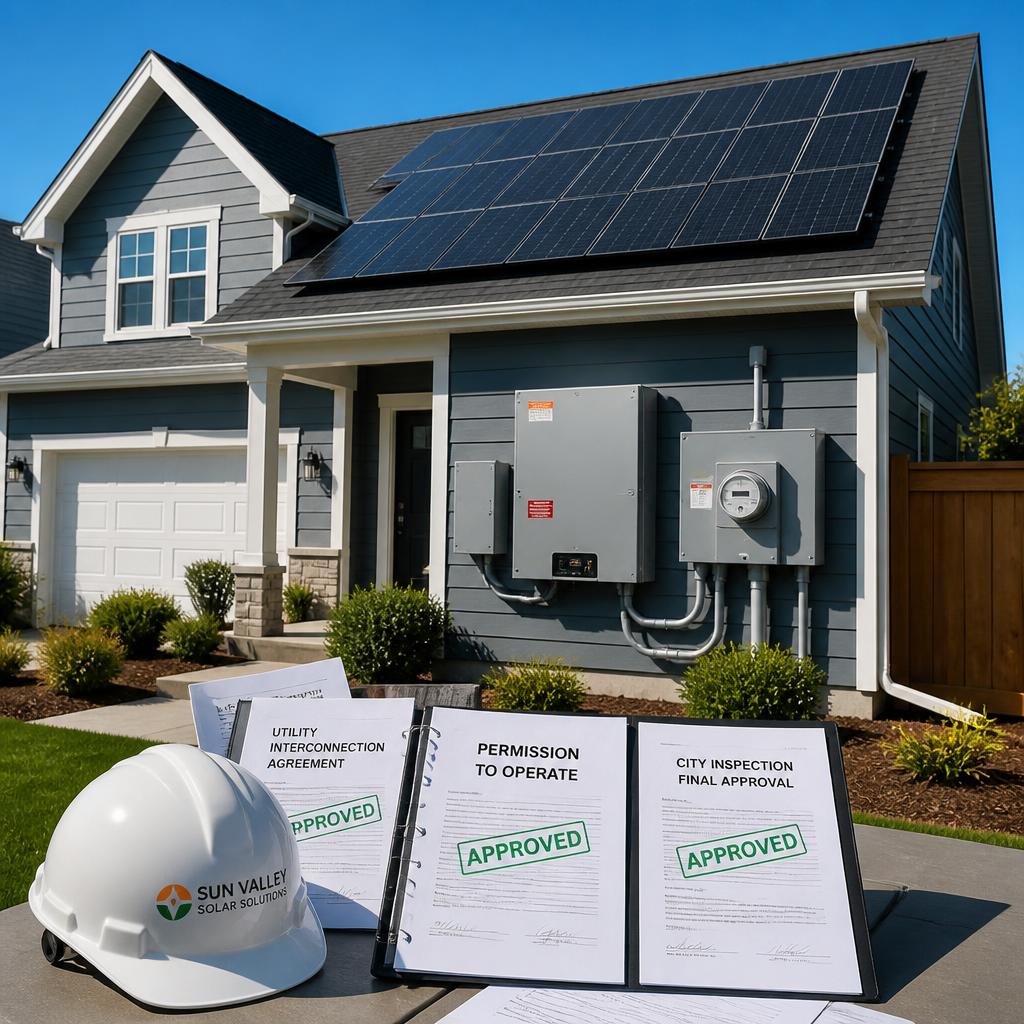
A smooth pto inspection often decides whether a solar system switches on this week or next month. However, many crews treat the final visit as a formality. That attitude leads to failed checks, return trips, and frustrated customers. PTO Edge prepares the drawings, records, and utility files that support clean inspections for U.S. installers, EPCs, and developers. In this guide, you will learn what inspectors check, why systems fail, and how to build a reliable routine.
Moreover, inspection results shape every later step. The utility waits for a passing record before it grants approval. Therefore, a strong pto inspection process protects your schedule and your cash flow. Additionally, it builds trust with building officials who see your work again and again.
Worried about a failed inspection? Schedule an inspection review and let our engineers check your project first.
What the Final Inspection Covers
The final inspection confirms that the finished system matches the approved plans. The inspector walks the site and compares equipment, wiring, and labels against the drawings. Then the inspector signs off or lists corrections. Inspectors also appreciate clean job sites. Tidy work suggests careful workmanship.
Most inspectors follow a routine. First, they check the array and mounting. Next, they check conduit, conductors, and grounding. Then they inspect the inverter, disconnects, and main panel. Finally, they review labels and signage.
Local rules add details. Some offices want a separate electrical inspection. Others combine building and electrical visits. Moreover, some jurisdictions require a fire department check for larger systems.
A successful pto inspection starts long before the visit. It depends on accurate drawings and careful installation. Our final inspection approval support helps teams prepare documents that match the field. As a result, inspectors find fewer surprises.
How Inspections Connect to Utility Approval
Inspection and utility approval work as a chain. The building office issues the inspection sign-off. Then the utility reviews that sign-off with the interconnection file. After that, the utility grants Permission to Operate.
If the inspection fails, the chain stops. The utility will not accept an application without a passing record. Consequently, each reinspection pushes activation further out.
Many installers prepare the utility file during construction. This habit saves days. When the inspector signs off, the team submits the file immediately. Our post inspection document submission service supports this fast handoff.
Timing varies by jurisdiction. Some offices send sign-offs within hours. Others take several days. Therefore, ask the office how it delivers results. A well-managed pto inspection plan includes this detail, so the team never waits without knowing why. Moreover, share the expected timeline with the customer early.
Who Performs Each Inspection
Several parties may inspect a solar system. The building or electrical inspector handles code compliance. Fire officials may check access and shutdown features. Utility staff may verify the meter and interconnection.
Each party looks for different things. The building inspector focuses on construction quality and wiring. The fire official focuses on safety access. The utility focuses on grid protection.
Therefore, prepare for each audience. Bring the approved plans, specification sheets, and permit card. Moreover, make sure someone with authority attends the visit.
Our building department inspection scheduling support helps teams book the right inspectors in the right order. As a result, crews avoid wasted trips. Clear coordination makes every pto inspection easier to manage. In addition, friendly communication with inspectors builds goodwill that helps future jobs.
Preparing Before the Inspector Arrives
Preparation prevents most failures. Use this checklist before every visit.
- Confirm that installed equipment matches the approved drawings
- Verify that all labels and placards are in place
- Check grounding and bonding connections
- Ensure the array is clean and accessible
- Test rapid shutdown devices
- Place the permit card and plans on site
Each item protects the final result. For example, a missing label can fail an otherwise perfect job. Likewise, mismatched equipment can trigger a full resubmission.
A walkthrough helps. The lead installer reviews the checklist with a second crew member. Then they correct any issues before the inspector arrives. Our inspection readiness for activation guidance turns these steps into a simple routine. Disciplined teams pass each pto inspection on the first attempt more often. Moreover, they spend less time on return trips. A calm pto inspection starts with a prepared crew.
Documentation to Keep on Site
Inspectors expect paperwork on site. Keep the approved plan set, permit card, and equipment specification sheets together. Add the structural letter if the office required one.
Field changes need special handling. If the crew changed equipment, update the drawings first. Then bring the revised set. Our plans matching field conditions service supports these updates.
Photos also matter. Take clear pictures of each stage. Include roof attachments, wiring, and labels. Our inspection photo documentation guidance explains which photos to capture and how to name them.
Digital copies help too. Store files on a phone or tablet. Then the crew can answer questions quickly. Moreover, backups protect you if paper copies get damaged.
Good records support more than one pto inspection. They also help with warranty claims and future service calls. Consequently, treat documentation as part of the build, not an extra task. Complete files simplify any pto inspection.
Electrical Items Inspectors Check
Electrical checks take the most time. Inspectors verify conductor sizes, conduit types, and overcurrent protection. They also confirm that disconnects sit in approved locations.
Grounding and bonding receive close attention. Inspectors check equipment grounding conductors and connections. Moreover, they verify that metal parts bond correctly.
The main panel gets scrutiny too. Inspectors check breaker sizes and labeling. They also confirm that the backfeed follows the busbar rule. If the panel lacks capacity, the design must show the approved solution.
Code editions matter. The adopted NEC edition sets many requirements. Therefore, confirm which edition applies before the visit.
Our engineer letters for inspectors help when questions arise about calculations. In addition, clear drawings let inspectors verify details quickly. A prepared team treats each pto inspection as a chance to show careful work. Consequently, inspectors learn to trust that installer’s files.
Rapid Shutdown and Labeling
Rapid shutdown rules protect firefighters. Inspectors test or verify these devices on most rooftop systems. They also check that labels appear in required locations.
Labels often cause failures. A missing placard at the main panel or disconnect can stop approval. Therefore, review the labels page in the plan set before installation. Our guide to rapid shutdown labeling requirements explains common label locations and wording.
Equipment compatibility also matters. Some inverters include shutdown features. Others rely on module-level devices. Consequently, confirm compatibility during design, not on inspection day.
Keep spare labels on the truck. If a label gets damaged, replace it immediately. Moreover, use durable materials suited for outdoor exposure.
A prepared crew treats labeling as a core task. In addition, consistent labeling habits make every pto inspection smoother. Inspectors notice when a team follows rules carefully.
Structural and Roof Checks
Inspectors also check structure. They look at attachment spacing, flashing, and sealant. They confirm that the array sits as drawn.
Roof condition matters. Damaged shingles or visible leaks can lead to comments. Therefore, repair problems before installation. Moreover, photograph the roof before and after work.
Flat roofs and ground mounts add other checks. Inspectors may verify ballast layout or foundation details. Consequently, keep structural calculations available on site.
The government solar safety information page offers a broad overview of national solar efforts. However, local codes decide what inspectors enforce. Always confirm local requirements.
Clear structural notes in the plan set help. They show spacing, fasteners, and special conditions. As a result, inspectors can verify work without guessing. A reliable pto inspection depends on both electrical and structural accuracy. In addition, careful roofers and installers protect the customer long after approval.
Battery and Storage Inspections
Batteries add inspection steps. Fire codes limit location, spacing, and ventilation. Inspectors check clearances and signage carefully. They also verify disconnect locations.
Some jurisdictions restrict indoor installations in living spaces. Others require special barriers or detection systems. Therefore, confirm local rules before design.
Battery wiring also needs attention. Inspectors check conductor sizes and protective devices. Moreover, they confirm that backup panels follow the approved diagram.
Utilities may add requirements as well. They may ask for extra forms if the battery exports power. Consequently, align the inspection record with the utility file.
Our energization after inspection steps guidance explains what happens once storage passes review. A smooth pto inspection for storage projects depends on early planning. In addition, thorough labeling helps first responders who may visit the site later.
Utility Witness Tests and Verification
Some utilities require their own verification. Larger systems often trigger witness tests. A utility representative watches the system start up and confirms protection settings.
Preparation matters. Confirm settings with the manufacturer. Then document them clearly. Moreover, schedule the test when the utility representative can attend.
Residential systems usually skip this step. However, some utilities still verify the meter or disconnect. Therefore, ask the utility what applies.
Our utility witness test coordination service helps teams schedule and document these visits. In addition, we track follow-up items until approval arrives.
Treat the utility as another inspector. Be polite and prepared. Provide plans, settings, and contact details. A calm approach reduces friction. Consistent preparation also makes the next pto inspection easier because the utility remembers your quality.
Why Inspections Fail
Failures follow patterns. Knowing them helps you avoid them.
- Equipment that differs from the approved drawings
- Missing or incorrect labels
- Poor grounding or bonding
- Incomplete or loose wiring
- Roof penetrations without proper sealing
- Missing permit card or plans on site
Each issue looks minor. However, each can trigger a reinspection. For example, a missing label can fail the entire visit. Therefore, use the checklist every time.
Communication gaps also cause trouble. Sales may promise one setup while design draws another. Consequently, the crew builds something different from the plans. A short kickoff meeting solves this problem.
Our inspector punch list resolution support helps teams fix issues quickly. In addition, we review patterns across projects. A disciplined pto inspection process learns from every failure.
Recovering From a Failed Inspection
A failed inspection is not a disaster. It is a fixable setback. First, read the correction notice carefully. Then list each item and assign an owner.
Fix the items promptly. Photograph the corrected work. Moreover, update drawings if the correction changes the design. Then schedule the reinspection.
Be honest with the customer. Honesty helps after any pto inspection setback. Explain what happened and the plan to fix it. Customers value transparency. Consequently, they stay patient.
Our failed inspection recovery plan outlines these steps in detail. In addition, our reinspection scheduling and tracking service keeps the process moving.
Learn from the failure. Ask why it happened. Then update your checklist. Over time, each pto inspection improves because the team treats failures as lessons rather than blame.
Scheduling and Coordination
Scheduling affects the entire timeline. Many offices book inspections several days ahead. Busy seasons stretch that window. Therefore, request the visit as soon as the crew finishes. Confirm the inspector’s arrival window the day before. Then keep a crew member on site.
Coordinate with the homeowner or site contact. Confirm access to the roof, panel, and meter. Moreover, remind them to clear space around equipment.
Plan for weather. Rain or high winds can cancel roof inspections. Consequently, keep a flexible schedule and communicate changes quickly. Weather flexibility protects every pto inspection.
Tracking tools help. Our Solar App+ inspection tracking shows booked dates, results, and next steps in one place. As a result, managers spot delays early. Clear scheduling makes each pto inspection predictable. In addition, shared status updates keep sales and field teams aligned.
Working Across Regions
Inspection rules change across regions. Wind-prone states focus on attachment strength. Snowy states focus on structural loads. Dry regions focus on fire access. Therefore, never copy a checklist from another area.
Some firms also work abroad. Our page on drafting services for Canada explains Canadian needs. Similarly, our guide to PV design in Canada covers design details. For larger systems overseas, see commercial solar UK projects.
Drawing expectations also differ. Read about drawing requirements across countries to see how documents change by location.
Still, U.S. inspectors follow local adoption of the NEC and building codes. Always confirm current rules with each office.
Our AHJ sign off verification service checks that records match local requirements. As a result, teams avoid generic mistakes. Region-aware preparation makes every pto inspection more reliable.
Older Homes and Panel Upgrades
Older homes often need extra work. Original panels may lack capacity. Wiring may not meet current code. Therefore, inspectors look closely at these sites.
Panel upgrades add another inspection. The inspector checks the new panel, grounding, and service entrance. Moreover, the utility may need to disconnect and reconnect power. Coordinate these steps carefully.
Plan the sequence. First, schedule the panel work. Next, pass that inspection. Then complete the solar installation. Finally, request the final solar visit. Skipping steps can confuse inspectors and delay approval.
Document the existing conditions. Photograph the old panel, labels, and wiring before work begins. These photos protect the installer if questions arise later.
Our panel upgrade approval coordination service helps teams manage these overlapping approvals. A well-planned pto inspection on an older home avoids repeat visits. Careful notes make the pto inspection smoother for everyone. Moreover, customers appreciate clear explanations about extra steps.
Costs and Delays From Reinspection
Reinspections cost real money. Crews return to the site. Fees may apply. Customers wait longer for activation.
Delays also affect cash flow. Many installers receive final payment after approval. Therefore, each failed visit ties up working capital.
Calculate your own numbers. Track how often inspections fail. Then multiply by the cost of a return trip. This exercise reveals the value of preparation. Fewer failures make each pto inspection cheaper.
Permit delays add more pressure. Read about permit expediting best practices for tactics that keep earlier stages moving.
Prevention costs less than repair. A short checklist takes minutes. A failed visit can take days. Our inspection to activation timeline planning helps teams budget time realistically. Strong habits make each pto inspection a low-risk event.
Training Crews for First-Time Passes
Training turns checklists into habits. Training also lifts every pto inspection result. Start with new hires. Show them examples of passed and failed jobs. Then explain why inspectors care about each item.
Hold short monthly reviews. Discuss recent inspection results. Moreover, celebrate clean passes. Positive feedback builds pride in quality work. Mentoring pairs help too. Experienced installers share lessons with newer teammates.
Cross-train staff when possible. A designer who visits sites writes better drawings. Likewise, installers who understand drawings catch mismatches early.
Our proposals that set expectations also help. They record equipment and scope clearly, so crews build what the customer bought. Consequently, fewer surprises reach the inspection stage.
Document your process in plain language. A one-page guide helps new staff act quickly. Over time, trained crews pass each pto inspection with fewer comments.
Metrics for Inspection Performance
What you measure improves. Start with first-pass inspection rate. This number shows how often crews pass on the first visit. Next, track days from installation to sign-off. Then track reinspections per project.
Compare results by jurisdiction. Some offices are stricter. Others move faster. Consequently, you can set realistic expectations.
Share the numbers monthly. Review top failure reasons. Then update checklists and templates.
Customer feedback matters too. Ask how the process felt. Did they understand each step? Their answers show where communication can improve.
Set targets. For example, aim to cut reinspections by a set amount each quarter. Clear goals keep everyone focused. Over time, careful tracking raises your pto inspection pass rate. Our approval letter follow up process also keeps activation moving after sign-off.
Choosing Support Partners
Many installers outsource documentation and utility follow-up. This choice saves time during busy seasons. However, quality varies. Evaluate partners carefully.
Ask about U.S. experience. Request sample packages. Check how they handle corrections and questions. Ask for references from other installers in your own region. Moreover, confirm turnaround times.
Our solar engineering services overview explains how design, review, and documentation fit together. A single team reduces handoffs.
Use this checklist:
- Proven knowledge of AHJ and utility rules
- Licensed engineers for stamped documents
- Clear turnaround times and revision policies
- Status tracking for every project
- One point of contact for each file
Experience and trust matter. PTO Edge provides NEC- and AHJ-compliant documentation, licensed engineering review, and utility submissions for U.S. projects. Therefore, installers work with one accountable team instead of several vendors.
Test the partner on one project. Then decide whether to expand. Reliable support makes every pto inspection easier.
In summary, a successful pto inspection depends on preparation, accurate documents, and clear communication. Every stage connects to the next. Therefore, fix errors early and document every change. Over time, these habits cut delays, raise pass rates, and improve customer reviews.
Ready to pass inspection the first time? PTO Edge can review your next project and prepare the records your inspector and utility expect. Get inspection support today and receive expert help from drawings to final approval.
Frequently Asked Questions
1. What happens during a final solar inspection?
The inspector compares the installed system with the approved plans. They check wiring, grounding, labels, mounting, and safety devices.
2. How long does it take to get inspection results?
Timelines vary by office. Some send results within hours. Others take several days. Ask the office how it delivers sign-offs.
3. What happens if a system fails inspection?
The inspector issues a correction notice. The crew fixes the items and schedules a reinspection. The utility waits for a passing record.
4. Does the utility inspect solar systems too?
Sometimes. Larger systems may need witness tests or verification. Residential systems often need only the building sign-off.
5. Can one provider help with inspection and utility approval?
Yes. One provider can manage drawings, records, permits, and utility submissions. This approach reduces handoffs and delays.