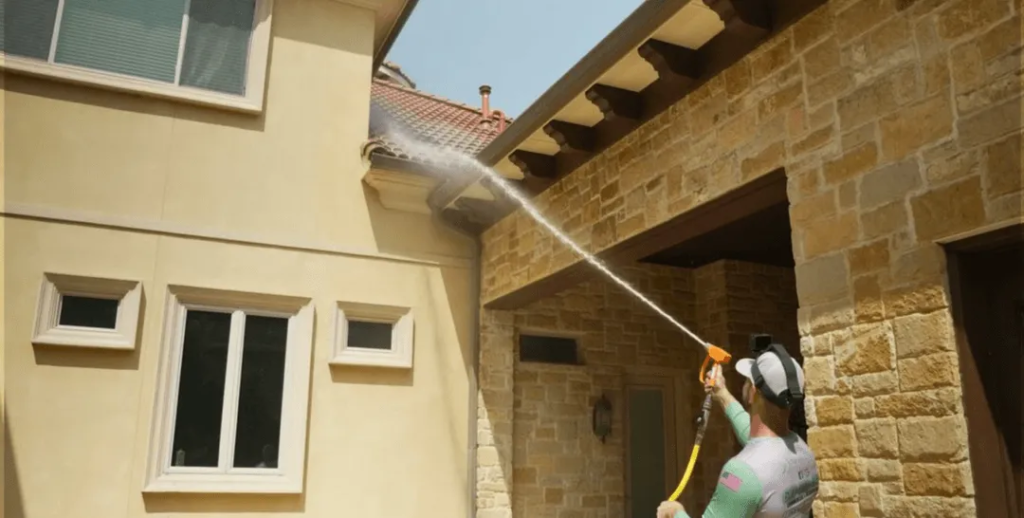
Outdoor surfaces experience constant exposure to weather, dust, pollen, vehicle traffic, and everyday use. Over time, driveways develop dark marks, patios collect dirt, and exterior walls lose their original appearance. Although these changes are common, regular maintenance can help prevent buildup from becoming difficult to remove. Power washing in Fort Worth TX can be a useful part of property care when the cleaning method matches the material and the type of dirt involved. Understanding which surfaces need attention, how to prepare for cleaning, and when to seek professional help can make exterior maintenance more effective and help prevent avoidable damage.
Why Exterior Surfaces Need Regular Cleaning
The appearance of a property’s exterior changes gradually as dirt and residue accumulate. Wind carries dust onto siding and windowsills, rain moves soil across concrete, and vehicles leave tire marks on driveways. Shaded areas may remain damp longer than exposed surfaces, creating conditions that encourage algae and other organic growth. Even covered porches can collect pollen, leaves, and debris brought in by wind or foot traffic.
In North Texas, changing weather conditions can contribute to these maintenance challenges throughout the year. Dry weather allows dust to settle, while storms can leave mud and other residue on walkways and patios. Power washing in Fort Worth TX can help remove suitable surface buildup, but the right approach depends on the material, the stain, and the condition of the area being cleaned. Addressing these factors before starting a project can help homeowners achieve better results without exposing exterior finishes to unnecessary wear.
Choosing the Correct Washing Method for Each Surface
Not all exterior materials respond well to the same amount of pressure. Concrete is generally durable, but decorative paving, older brickwork, painted wood, and vinyl siding may require a gentler approach. Excessive pressure can strip paint, damage mortar joints, leave visible lines on concrete, or force water behind siding. A successful cleaning project relies on choosing appropriate equipment settings, spray distance, cleaning products, and application techniques.
For many concrete driveways and walkways, controlled pressure washing may be suitable. However, delicate siding and painted surfaces often benefit from lower-pressure cleaning and compatible detergents. Wooden fences can develop splintering or surface damage if the spray is too concentrated, while roof shingles should not be treated like sidewalks. Roofing materials require cleaning methods that follow manufacturer recommendations and avoid damaging protective layers.
Power washing in Fort Worth TX should begin with an assessment of the surface rather than an assumption that stronger pressure will produce better results. Some stains respond to water and mechanical cleaning, while grease, algae, and mineral deposits may require specific treatments. Testing a small, inconspicuous section helps determine whether the proposed method is appropriate. If the material is already cracked, peeling, or deteriorating, repairs may be needed before cleaning begins.
Areas Around Your Home That Benefit From Washing
Different parts of a property collect different types of dirt. Driveways experience vehicle traffic, patios collect food and drink spills, and exterior walls are exposed to airborne particles and moisture. Inspecting these areas regularly helps homeowners identify where cleaning is necessary instead of washing every surface according to the same schedule.
Common areas to consider include:
- Driveways and sidewalks: Remove loose dirt, tire marks, and suitable surface stains from frequently used concrete.
- Patios and outdoor seating areas: Address food residue, mud, pollen, and accumulated debris while protecting the surface finish.
- Exterior siding: Clean compatible materials carefully to reduce discoloration without damaging paint, joints, or seals.
- Fences and retaining walls: Remove appropriate forms of surface grime while checking for deteriorating paint or masonry.
- Garage entrances and front steps: Clear dirt and residue from high-traffic areas that influence the property’s overall appearance.
Each area should be assessed according to its condition. A shaded walkway may develop organic growth faster than a sunny driveway, while a patio used for outdoor cooking may accumulate grease and food stains. Cleaning the most affected areas first can help homeowners use their time and resources efficiently. It also reduces the temptation to apply excessive pressure to surfaces that only need light maintenance.
How Proper Cleaning Supports Safety and Maintenance
Exterior cleaning can contribute to safer walking conditions by removing certain types of slippery buildup. Algae, greasy residue, and accumulated grime may reduce traction on steps, walkways, and patios, particularly when wet. Removing these deposits can help improve surface conditions, although washing alone cannot correct uneven paving, loose tiles, cracked concrete, or poor drainage. Those problems require separate repairs or assessment.
Cleaning can also reveal maintenance issues that are difficult to see beneath accumulated dirt. Small cracks, loose sealant, peeling paint, and deteriorating mortar may become more noticeable once a surface is clean. Identifying these problems early allows homeowners to arrange repairs before the damage becomes more extensive. Regular inspections are especially useful around building entrances, outdoor stairs, and areas where water frequently collects.
Power washing in Fort Worth TX should be performed carefully around windows, doors, electrical fixtures, and vulnerable building joints. Water directed into small gaps can cause problems that are not immediately visible. If a surface begins to deteriorate during cleaning, the process should stop so the condition can be evaluated. Cleaning is most useful when it supports property maintenance rather than creating new repair needs.
Preparing for an Effective Cleaning Project
Good preparation helps protect the property and makes the cleaning process more manageable. Move vehicles, outdoor furniture, planters, and decorations away from the work area. Close windows and doors, secure pets, and identify vulnerable fixtures or existing damage before starting. If the surface has loose paint, cracked masonry, or damaged sealant, these conditions should be addressed or discussed before water is applied.
Landscaping and drainage also deserve attention. Strong spray can disturb mulch and soil, while some detergents may harm nearby plants. Depending on the cleaning method, vegetation may need protection or rinsing. Runoff should be managed responsibly so that dirty water and cleaning products do not unnecessarily enter storm drains or sensitive planting areas. Product labels and applicable local requirements should guide the handling of cleaning solutions and wastewater.
Weather conditions can affect the outcome as well. Strong winds may carry spray toward neighboring properties or vehicles, while extreme heat can cause certain cleaning solutions to dry too quickly. When planning power washing in Fort Worth TX, choosing suitable conditions and discussing the work area in advance can reduce complications. Homeowners who are uncertain about surface compatibility or equipment settings may benefit from consulting a qualified cleaning professional.
Maintaining Exterior Surfaces Between Washes
Regular upkeep helps prevent dirt from accumulating unnecessarily. Sweeping walkways, removing fallen leaves, wiping up spills, and keeping outdoor furniture clean can reduce the amount of grime that settles on exterior surfaces. Trimming plants away from walls can improve airflow, while cleaning gutters and maintaining drainage channels may help prevent water from repeatedly running over the same areas.
Cleaning frequency should reflect the property’s surroundings and use. Homes near busy roads, construction activity, or dusty open areas may collect dirt more quickly than sheltered properties. Shaded concrete may require more attention than surfaces exposed to direct sunlight, while a covered patio may remain clean for longer. Inspecting outdoor areas every few months helps homeowners decide where washing is needed and whether any underlying maintenance issues require attention.
O.N. Point Pressure Washing is one local provider homeowners may consider when researching exterior cleaning services. Whether the work is handled independently or by a professional, the essential principles remain the same: identify the surface, select a suitable cleaning method, protect surrounding areas, and avoid unnecessary pressure. A consistent maintenance routine can help preserve the appearance of outdoor spaces while making larger cleaning projects easier to plan.
Conclusion
Maintaining exterior surfaces is an important part of caring for a property. Regular inspections, appropriate washing methods, and attention to drainage can help manage grime while protecting the materials beneath it. By focusing on areas that genuinely need cleaning and addressing minor maintenance problems early, homeowners can keep outdoor spaces attractive and functional. A careful, surface-specific approach provides a practical way to maintain a property without exposing it to unnecessary wear.