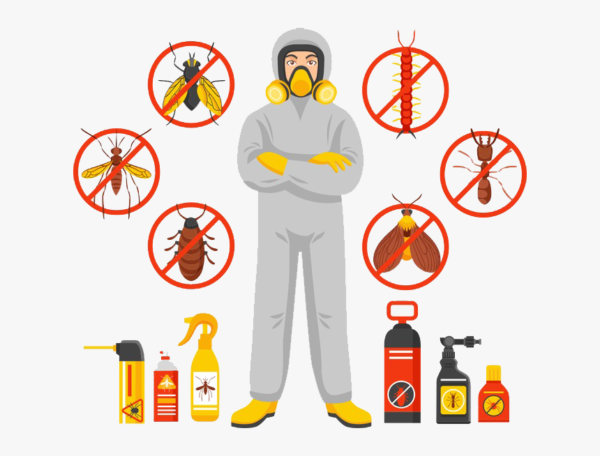
pest control in Lahore
Pests can become a serious concern for homeowners, tenants, landlords, and business owners. From cockroaches hiding in kitchen cupboards to ants entering through small gaps, rodents nesting in roof spaces, and termites damaging timber structures, an infestation can affect your property’s condition, cleanliness, and comfort.
Choosing a reliable pest control company Sydney residents and businesses can trust is an important step toward managing these problems effectively. Professional pest control helps identify the source of an infestation, select suitable treatment methods, and reduce the likelihood of pests returning.
Sydney’s climate, gardens, residential developments, and commercial environments can create conditions that attract different pests throughout the year. Food waste, moisture, building gaps, and sheltered spaces can provide the resources pests need to survive and multiply.
However, successful pest management involves more than treating the insects or rodents you can see. It requires an understanding of pest behaviour, the condition of the property, and the factors contributing to the problem.
Whether you need a one-time treatment, preventive pest management, or assistance with a persistent infestation, choosing the right provider can make the process easier.
This guide explains what a professional pest control company does, the pests commonly found in Sydney, available treatment options, expected costs, and how to select a suitable service for your home or business.
What Does a Pest Control Company Do?
A pest control company helps property owners identify, manage, and prevent unwanted pests.
Depending on the service required, a technician may inspect the property, identify the pest species, assess the extent of the infestation, and recommend an appropriate treatment plan.
The methods used depend on the pest, its location, the property’s condition, and any relevant safety requirements.
Services may include:
- General household pest treatments
- Cockroach and ant control
- Rodent inspection and management
- Termite inspections and treatment
- Bed bug management
- Spider and flea control
- Commercial pest management
- Preventive inspections and monitoring
A professional service should also explain any preparation requirements, treatment limitations, and recommended follow-up work.
For example, controlling cockroaches may require targeted baiting and improved sanitation, while rodent management may involve trapping and sealing entry points.
Termite problems require a different approach because colonies can remain hidden and damage timber before obvious signs appear.
When comparing a pest control company Sydney, look for a provider that investigates the underlying problem rather than simply treating visible pests.
Why Hire a Professional Pest Control Company in Sydney?
Some minor pest problems can be managed with suitable household measures. However, persistent infestations, hidden pests, and situations involving property damage may require professional attention.
Accurate Pest Identification
Different pests require different treatment methods. An approach that works for one insect may be ineffective against another.
A professional can assess the available evidence and identify the pest more accurately.
This is particularly important when dealing with termites, bed bugs, and rodents, where an incorrect assessment can delay effective treatment.
Identifying the species and understanding where pests are active helps determine the next steps.
Targeted Treatment
Professional pest management can focus on areas where pests live, feed, enter, or reproduce.
Depending on the circumstances, treatment may involve baiting, trapping, monitoring, physical exclusion, or carefully applied pest control products.
A targeted approach can help limit unnecessary treatment and address the problem more systematically.
Protection Against Property Damage
Certain pests can damage timber, stored goods, furniture, insulation, and other building materials.
Termites are a particular concern because their activity can remain concealed within structural timber.
Rodents can chew materials and contaminate stored items, while some insects can damage fabrics, food products, or other belongings.
Professional inspection can help identify signs of activity and determine whether further investigation is needed.
Practical Prevention Advice
Effective pest control should consider why the infestation occurred in the first place.
A technician may recommend sealing gaps, reducing moisture, improving food storage, changing waste management practices, or modifying outdoor conditions.
These measures can help reduce the likelihood of pests returning after treatment.
Support for Busy Households and Businesses
Managing a persistent infestation can require time, repeated cleaning, monitoring, and careful treatment.
A professional can explain the recommended process and help you understand which actions are necessary.
For businesses, a structured pest management plan may also support operational requirements and help reduce disruption.
Common Pest Problems in Sydney Properties
Sydney homes and businesses can experience a variety of pest issues. Recognizing the warning signs can help you decide when professional advice may be necessary.
Cockroach Control
Cockroaches are often found in kitchens, bathrooms, cupboards, storage spaces, and areas around appliances.
They are attracted to food residues, moisture, rubbish, and sheltered hiding places.
Possible signs include live cockroaches, droppings, egg cases, and insects appearing at night.
A professional may recommend targeted baiting, monitoring, and improvements to sanitation or access points.
To support treatment, keep food in sealed containers, clean spills promptly, and avoid leaving food waste or dirty dishes overnight.
If cockroaches continue appearing after treatment, the infestation may require reassessment.
Ant Control
Ants frequently enter properties in search of food and water.
They may appear along kitchen benches, around windows, near doors, or in outdoor entertaining areas.
Killing visible ants may provide temporary relief without resolving the problem if the colony or entry route remains active.
A pest control technician can assess the species, investigate possible access points, and recommend an appropriate control method.
Sealing suitable gaps, storing food securely, and cleaning sugary spills can help reduce ant activity.
Termite Inspection and Treatment
Termites can cause significant damage to timber and other cellulose-containing materials.
Their activity is often concealed, meaning visible damage may appear only after an infestation has been present for some time.
Potential warning signs include damaged timber, mud leads, discarded wings, and hollow-sounding wood. These signs do not always confirm an active infestation, so professional assessment is important.
A termite inspection can help identify evidence of activity and assess risks to the building.
If termites are suspected, avoid disturbing the affected area before obtaining professional advice.
Treatment may involve specialized termite management methods based on the building, infestation, and surrounding conditions. Preventive measures can also include moisture management and appropriate property maintenance.
Rat and Mouse Control
Rodents can enter buildings through gaps around doors, pipes, vents, and other openings.
They may contaminate food, damage packaging, chew building materials, and establish nests in roof spaces or wall cavities.
Common signs include droppings, gnaw marks, scratching sounds, and unusual smells.
A professional may inspect the property, identify likely entry points, recommend trapping or other suitable control methods, and explain how to prevent future access.
Food should be stored securely, rubbish managed carefully, and suitable openings sealed where practical.
Rodent baits require particular care because they may pose risks to children, pets, and non-target wildlife.
Spider Control
Spiders may be found in garages, sheds, gardens, roof spaces, and other sheltered locations.
Most spiders are not dangerous to people, but some Australian species can deliver medically significant bites.
Reducing clutter, sealing appropriate gaps, and managing vegetation near the building can help reduce spider access.
If you find an unfamiliar spider, avoid handling it. A pest professional can help assess the situation and recommend appropriate measures.
Bed Bug Treatment
Bed bugs hide in mattresses, bed frames, furniture, and small cracks near sleeping areas.
They may spread through luggage, second-hand furniture, and movement between connected accommodation spaces.
Signs can include live insects, shed skins, small dark marks, and bites. However, bites alone are not sufficient to confirm bed bugs.
Professional inspection can help establish whether bed bugs are present and determine the appropriate treatment plan.
Depending on the infestation, treatment may require detailed preparation, follow-up visits, and careful monitoring.
Flea Control
Fleas can become a problem in homes with pets or properties where animals have previously lived.
Although adult fleas may be visible, eggs and immature stages can remain in carpets, bedding, floor gaps, and other sheltered areas.
Effective management may require coordinated treatment of the property and appropriate flea control for pets through a veterinarian.
Vacuuming and laundering suitable bedding can support the treatment process.
Residential Pest Control Services in Sydney
Residential pest control helps homeowners, tenants, and landlords manage infestations in houses, apartments, townhouses, and other residential properties.
A service usually begins with an assessment of the affected areas and the signs of pest activity.
The technician can then recommend suitable treatment and explain any preparation or safety measures.
For example, recurring ants may require targeted treatment alongside better food storage and sealing of entry points. Rodent activity may require an inspection of roof spaces, garages, external walls, and waste storage areas.
When arranging residential pest control, explain the problem, where pests have been seen, and whether previous treatments have been attempted.
Tell the provider about children, pets, aquariums, or other relevant household considerations before treatment begins.
If you rent your property, contact the landlord or property manager when appropriate, particularly when the problem may involve structural defects or shared building areas.
Commercial Pest Control for Sydney Businesses
Commercial pest management is important for businesses that need to protect their premises, stock, staff, and customers.
The appropriate service depends on the business type, building layout, operating hours, and pest risks.
Restaurants and Food Businesses
Restaurants, cafes, and commercial kitchens must manage food waste, storage, cleaning, and moisture carefully.
Pest control may include inspections, monitoring, targeted treatments, and relevant service records.
Treatments should be coordinated with food preparation activities and carried out in accordance with product instructions and applicable food safety requirements.
Offices and Retail Stores
Offices and retail premises may experience ants, cockroaches, or rodents when food, waste, storage, or building openings create suitable conditions.
Routine inspections and preventive measures can help identify developing problems before they become more disruptive.
Warehouses and Storage Facilities
Warehouses may attract rodents and insects through stored goods, packaging, waste, and access points.
A suitable pest management program may include monitoring stations, regular inspections, sanitation recommendations, and measures to reduce pest entry.
Businesses should select a provider who understands their premises and can explain the proposed treatment and reporting arrangements.
What to Expect When Hiring a Pest Control Company
Understanding the treatment process helps you prepare for the appointment and know what questions to ask.
Initial Inspection
The technician assesses the property, looks for signs of pest activity, and gathers information about the problem.
Depending on the pest, the inspection may include kitchens, cupboards, roof spaces, plumbing areas, storage rooms, external walls, and possible entry points.
Recommended Treatment Plan
After the assessment, the provider explains the proposed treatment and why it is suitable.
The plan may include baiting, trapping, monitoring, physical exclusion, or targeted application of pest control products.
The technician should also explain any limitations and whether additional visits may be necessary.
Treatment and Safety Instructions
Treatment is carried out according to product instructions, applicable regulations, and the property’s circumstances.
You should receive clear instructions about preparation, restricted areas, ventilation, and when it is safe to return.
Do not re-enter treated areas until the provider’s instructions permit it.
Follow-Up and Prevention
Some infestations require monitoring or repeat treatment.
The technician may also recommend sealing openings, reducing moisture, improving food storage, or changing waste handling practices.
Ask whether follow-up visits are included in the price and what to do if pest activity continues.
How Much Does a Pest Control Company in Sydney Cost?
The cost of hiring a pest control company Sydney depends on the pest, property size, infestation severity, treatment method, and number of visits required.
There is no single price that applies to every situation.
Type of Pest
A routine treatment for common household insects may involve less work than a detailed termite inspection or a complex bed bug infestation.
Specialized treatments may require additional equipment, materials, and expertise.
Property Size and Accessibility
Larger properties may require more inspection time and treatment materials.
Access to roof spaces, subfloors, wall cavities, and other difficult areas can also influence the price.
Severity of the Infestation
A localized pest problem may be easier to manage than an infestation spread across multiple rooms or concealed spaces.
More extensive problems may require repeat treatments or additional monitoring.
Follow-Up Requirements
The total cost may increase if the problem requires several visits or specialized monitoring.
When requesting a quotation, ask whether the fee includes inspection, treatment, follow-up, and any applicable warranty.
Compare quotes based on the work included rather than choosing solely on the lowest advertised price.
How to Choose the Best Pest Control Company in Sydney
Choosing a suitable provider helps ensure that the treatment is appropriate, clearly explained, and professionally managed.
Check Licensing and Qualifications
Ask whether the technician holds the licences, training, and authorizations required for the relevant work in New South Wales.
For specialized services such as termite management, ask about relevant qualifications and experience.
Read Customer Reviews
Customer reviews can provide insight into communication, punctuality, professionalism, and follow-up support.
Look for consistent patterns across multiple reviews rather than relying on one comment.
Ask About Treatment Methods
A reliable provider should explain the proposed treatment, its limitations, and the safety precautions involved.
Ask what preparation is required and whether children, pets, or people with particular sensitivities need special arrangements.
Request a Written Quote
A written quote should explain the service, areas covered, and any additional charges that may apply.
For termite management or recurring infestations, confirm what the inspection or treatment includes.
Understand Guarantees and Follow-Up Policies
Some companies offer warranties or service guarantees, but terms vary.
Ask what happens if pests return, whether additional visits cost extra, and which conditions may affect the guarantee.
Clear terms help you understand what the provider is committing to deliver.
Tips to Prevent Pests From Returning
Professional treatment is only one part of effective pest management. Regular property maintenance can help reduce the conditions that attract pests.
Store food in sealed containers and clean crumbs or spills promptly. Empty rubbish regularly and keep bins closed.
Repair leaking taps and pipes, reduce unnecessary moisture, and address damp areas where possible.
Seal suitable gaps around doors, windows, pipes, and other building openings. Keep vegetation and stored materials from creating convenient hiding places near the building.
Inspect second-hand furniture and luggage when appropriate, particularly when there is a risk of introducing bed bugs.
For termite prevention, arrange inspections appropriate to your property and follow professional recommendations.
If pest activity repeatedly returns, ask your provider to investigate the underlying cause rather than simply repeating the same treatment.
Frequently Asked Questions About Pest Control Company Sydney Services
1. How Do I Find a Reliable Pest Control Company in Sydney?
Look for a provider with appropriate licences, relevant experience, clear treatment explanations, and positive customer feedback.
Ask for a written quotation that explains the work included, safety instructions, and follow-up arrangements.
For specialized pest problems, confirm that the provider has experience managing that particular issue.
2. How Often Should I Book Pest Control?
The ideal frequency depends on the property, pest risks, surrounding environment, and previous infestations.
Some homes may benefit from periodic preventive treatments, while others may only need a service when a problem occurs.
Termite inspections should follow professional recommendations and relevant property requirements.
3. Is Professional Pest Control Safe for Children and Pets?
Professional treatments should follow product labels, applicable regulations, and appropriate safety precautions.
Tell the provider about children, pets, aquariums, and other relevant household considerations before treatment.
Follow all instructions about preparation, restricted areas, ventilation, and re-entry times.
4. How Long Does Pest Control Treatment Take?
Treatment duration depends on the pest, property size, inspection requirements, and method used.
A routine treatment may take less time than a detailed termite inspection or a complex infestation requiring several stages.
Ask your provider how long the appointment is expected to take and whether follow-up visits are required.
5. Can a Pest Control Company Guarantee That Pests Will Never Return?
No treatment can guarantee that pests will never return under every circumstance.
Results depend on the pest, treatment method, building condition, surrounding environment, and preventive measures.
Some providers offer limited service guarantees, so review the terms and conditions carefully.
6. What Should I Do Before a Pest Control Appointment?
Preparation depends on the pest and the proposed treatment.
You may need to clear access to affected areas, store food securely, or follow specific instructions for pets and personal belongings.
Wait for the provider’s guidance before cleaning treated areas or moving furniture.
7. How Do I Compare Pest Control Quotes?
Compare the inspection scope, treatment method, property coverage, safety instructions, follow-up arrangements, and total price.
Ask whether additional visits are included and whether any warranty has specific conditions.
A detailed quotation makes it easier to compare providers fairly.
Conclusion
Choosing the right pest control company Sydney residents and businesses can rely on helps address infestations and reduce the risk of recurring pest problems.
From cockroaches and ants to rodents, bed bugs, and termites, every pest requires an appropriate inspection and management approach. Professional identification, targeted treatment, and practical prevention measures can help protect your property and maintain a cleaner environment.
Before booking, check the provider’s qualifications, ask about treatment methods, compare written quotations, and understand any safety instructions or follow-up arrangements.
By combining professional pest management with regular property maintenance, you can reduce the conditions that attract pests and help keep your home or business more comfortable throughout the year.


