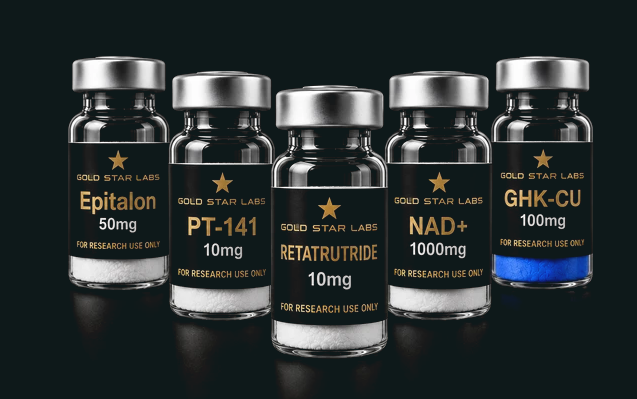
Choosing where to source research compounds is one of the most important decisions any research team will make. Quality control failures can quietly undermine an entire project long before a single result is ever recorded or reviewed. Knowing the warning signs early helps researchers avoid wasted time, unreliable data, damaged credibility, and unnecessary financial risk along the way, especially when working to tight timelines or limited budgets.
Why Quality Control Matters
Consistent quality control is the backbone of any credible research process. Without it, even carefully designed studies can produce results that cannot be trusted, repeated, or defended when reviewed by peers, institutions, or regulatory bodies down the track. Recognising the following patterns early makes it far easier to choose a partner with confidence.
Missing or Vague Certificates of Analysis
A reputable peptide supplier in Australia should always provide a clear, batch-specific Certificate of Analysis on request. If documentation is generic, outdated, or simply unavailable when asked for directly, that absence alone should raise immediate concern for any careful researcher.
Certificates should include purity percentages, testing methods, and batch numbers that clearly match the product received in hand. When this information is missing, vague, or inconsistent between paperwork and packaging, there is no reliable way to confirm what is actually inside the vial.
Inconsistent Batch Testing Results
Reliable suppliers test every single batch, not just occasional samples pulled aside for marketing or promotional purposes. Skipping regular testing increases the likelihood that variability slips through unnoticed between separate production runs over time.
If purity figures fluctuate wildly between batches, or if results seem suspiciously identical every single time without variation, both scenarios suggest testing is either careless or not genuinely independent. Either pattern deserves closer scrutiny before placing a further order.
Unclear Sourcing and Manufacturing Origins
Transparency about where compounds are actually manufactured is a basic expectation, not an optional extra courtesy. A trustworthy peptide supplier in Australia should be able to explain their sourcing chain clearly, without hesitation, deflection, or vague non-answers.
Suppliers who avoid naming manufacturing facilities, dodge direct questions repeatedly, or provide inconsistent answers across separate conversations are showing a pattern worth noting carefully. Reliable sourcing information should remain stable no matter who is asking or when they ask it.
Poor Communication About Quality Standards
Genuine quality control cannot exist without genuine, straightforward communication behind it. Suppliers who truly understand their own processes are usually happy to explain them clearly, without resorting to jargon designed purely to sound impressive rather than informative.
Watch closely for defensive or evasive responses whenever questions are raised about testing methods, storage conditions, or handling procedures used. Confident, specific answers usually indicate a supplier who genuinely understands their own supply chain from start to finish.
No Third-Party Lab Verification
Internal testing alone is rarely enough to confirm genuine reliability over time. Independent, third-party verification adds an extra layer of accountability that internal processes simply cannot replicate on their own, no matter how thorough they claim to be.
Suppliers who rely solely on in-house results, without ever submitting samples externally for review, are asking customers to take a considerable amount purely on trust. External verification should be readily available, easy to locate, and simple to cross-check against batch numbers provided.
Inconsistent Packaging and Labelling
Packaging might seem like a minor cosmetic detail, but it often reflects broader operational standards across the entire business. Labels that vary between orders, contain spelling errors, or lack essential batch information point toward a rushed or careless production process.
Proper labelling should include batch numbers, storage instructions, and expiry information as standard practice every time. If packaging looks noticeably different between separate orders from the same supplier, it is worth asking exactly why that inconsistency exists at all.
Lack of Transparency Around Storage and Handling
Storage conditions directly affect compound stability from the moment of production right through to final delivery. Suppliers who cannot clearly explain how products are stored or transported are leaving an important gap in the overall quality picture.
Proper handling protocols should cover temperature control, packaging materials, and transit times consistently across every order. A supplier unwilling to discuss these details, or unable to answer basic questions confidently, is signalling a gap somewhere within their broader process, one that could ultimately affect the results of any study relying on that compound.
Choose The Best Peptide Quality With Confidence
Spotting these red flags early protects the integrity of any research project from avoidable setbacks and costly mistakes. Documentation, transparency, and consistent testing are not optional extras but genuine indicators of a supplier worth trusting long-term, and they are well worth checking before every order. Gold Star Labs operates with these standards in mind, reflecting the level of care that thorough, credible research genuinely deserves from start to finish.