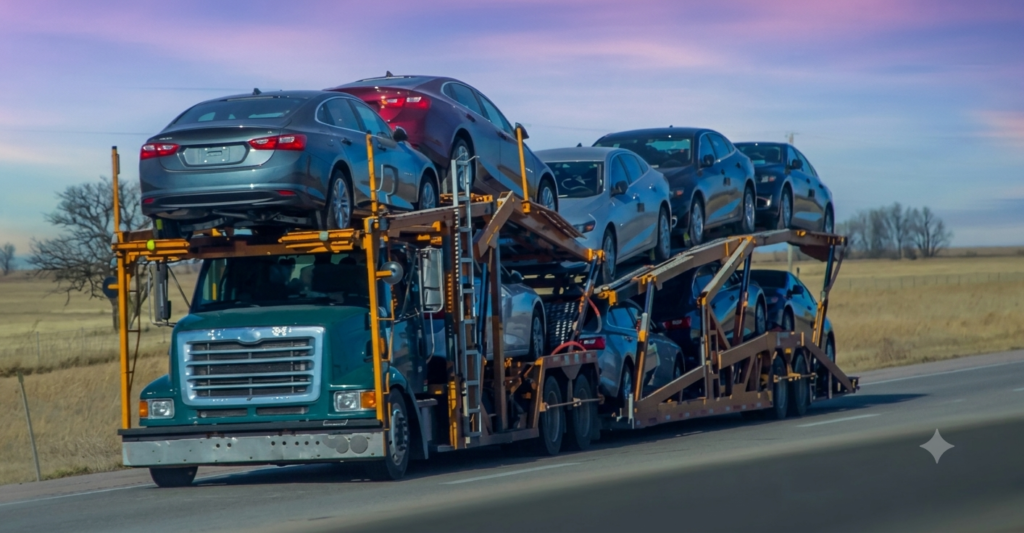
Moving a vehicle across state lines can be challenging when the destination is hundreds or thousands of miles away. Instead of spending days behind the wheel, vehicle owners can arrange professional transportation and have their cars moved separately.
Nationwide car shipping is designed for customers who need to transport vehicles between different parts of the United States. Whether you’re relocating, purchasing a vehicle from another state, moving for college, or handling a seasonal move, understanding the available services can help you organize the process more effectively.
When Shipping a Car Across the Country Makes Sense
Not every long-distance vehicle move requires a road trip. Professional auto transport can be useful when driving the vehicle would be inconvenient or time-consuming.
Common situations include:
- Moving to another state
- Buying a vehicle online
- Selling a car to an out-of-state buyer
- Relocating for work
- Sending a vehicle to a college student
- Moving a second household vehicle
- Seasonal travel between northern and southern states
- Transporting a classic or specialty automobile
Instead of building your schedule around a long road trip, you can coordinate your vehicle’s transportation separately.
Two Main Ways Your Vehicle Can Travel
Your choice of carrier can influence both the price and level of protection.
- Open Carrier Shipping
Open transport is widely used throughout the U.S. Vehicles are loaded onto an open trailer and transported along established routes.
This option is often considered for everyday cars, SUVs, and pickup trucks. Because several vehicles can travel on the same carrier, it can be a practical choice for many standard shipments.
- Enclosed Carrier Shipping
Enclosed transportation places vehicles inside a covered trailer. It provides additional protection from outdoor conditions and road debris.
Owners of collectible, luxury, classic, or specialty vehicles may choose this option when protecting the vehicle during transit is especially important.
The appropriate method depends on your vehicle, budget, route, and priorities.
What Actually Shapes a Shipping Quote?
There isn’t one nationwide rate that applies to every shipment. Your transportation estimate is based on the details of your particular move.
- Route distance is an important consideration. Longer routes generally require more fuel, driver time, and operating resources.
- Vehicle dimensions also matter. A large SUV or pickup may require more carrier space than a compact sedan.
- Transport method can change the overall price, particularly when comparing open and enclosed service.
- Pickup and delivery locations influence logistics. Major transportation corridors may have different carrier availability than remote areas.
- Seasonality can affect demand. Routes associated with snowbird travel, holidays, and major relocation periods may experience changing availability.
- Vehicle condition is another consideration. An inoperable vehicle may require special loading equipment.
Getting a quote based on your actual shipment details is more useful than relying on a generic nationwide average.
Your Shipping Plan Starts With the Route
Before contacting a transportation provider, determine exactly where the vehicle needs to go.
You don’t always need to provide a specific street address immediately. Pickup and delivery ZIP codes can be useful when beginning the quote process.
Also consider whether the carrier can safely access your property. Large auto transport trucks may not be able to navigate narrow residential streets, steep roads, dead ends, or areas with parking restrictions.
If direct access isn’t practical, the provider may coordinate a nearby location where the carrier can safely load or unload the vehicle.
Building a Better Timeline
Vehicle transport isn’t the same as booking a flight with a guaranteed departure and arrival time. Pickup and delivery typically operate within estimated windows because carriers deal with traffic, weather, road conditions, mechanical issues, and changing schedules.
If you need the vehicle by a particular date, communicate that requirement as early as possible.
A useful planning approach is to:
- Identify when you need the vehicle at the destination.
- Work backward to establish a reasonable pickup timeframe.
- Allow flexibility for transit conditions.
- Keep contact information available during transportation.
- Coordinate someone to receive the vehicle if you won’t be there personally.
Starting early can provide more scheduling flexibility, especially during busy periods.
Preparing the Vehicle Before Pickup
Your car should be ready before the carrier arrives.
Remove personal belongings and valuable items from the interior and trunk. Clean the exterior so existing damage is easier to identify.
Take photographs of the vehicle from multiple angles, including close-ups of existing scratches, dents, or other visible issues. Keep those photographs for your records.
It’s also useful to check tire pressure, make sure the battery is secure, and leave only an appropriate amount of fuel.
If your vehicle has mechanical problems, aftermarket modifications, oversized accessories, or cannot operate normally, inform the transportation provider before pickup.
Accurate information helps the carrier prepare for loading and unloading.
What to Ask Before Booking
A low quote isn’t necessarily the only detail worth considering. Before scheduling nationwide transportation, ask the provider about:
- Estimated pickup and delivery windows
- Open or enclosed transportation
- Insurance coverage
- Cancellation policies
- Payment requirements
- Additional fees
- Vehicle inspection procedures
- Communication during transit
- Procedures for inoperable vehicles
Getting these details in writing can make it easier to compare transportation arrangements.
Nationwide Car Shipping With Rapid Auto Shipping
Rapid Auto Shipping provides vehicle transportation solutions for customers moving cars throughout the United States. Each shipment can have different requirements, so customers can discuss their vehicle type, route, timing, and preferred transportation method when arranging service.
Whether you’re relocating from California to Florida, purchasing a vehicle from another state, or moving a car for seasonal travel, proper preparation can make the transportation process easier to manage.
The key is to treat vehicle shipping as part of your overall relocation plan rather than something to arrange at the last moment.
A Cross-Country Move Doesn’t Have to Mean a Cross-Country Drive
Long-distance relocation can involve enough planning without adding thousands of miles of driving. Nationwide car shipping gives vehicle owners another way to move their cars between states.
By choosing an appropriate carrier, providing accurate vehicle information, planning around realistic delivery windows, and preparing the car before pickup, you can approach your shipment with a clearer understanding of the process.
Rapid Auto Shipping can help customers explore transportation arrangements based on their individual routes and vehicle requirements across the USA.
Frequently Asked Questions
- What is nationwide car shipping?
Nationwide car shipping is the transportation of vehicles between locations across the United States using professional auto carriers. - How much does nationwide car shipping cost?
Costs vary based on route distance, vehicle size, transport type, location, seasonal demand, vehicle condition, and other shipment details. - Is open transport available nationwide?
Open carrier transportation is commonly used for vehicle shipments throughout the U.S. Availability depends on the specific route and scheduling requirements. - When should I book nationwide car shipping?
It’s generally useful to arrange transportation ahead of your preferred pickup period, particularly if you have a strict travel or relocation schedule. - Can an inoperable vehicle be shipped?
Many inoperable vehicles can be transported, but special equipment may be necessary. Always disclose the vehicle’s condition before booking.