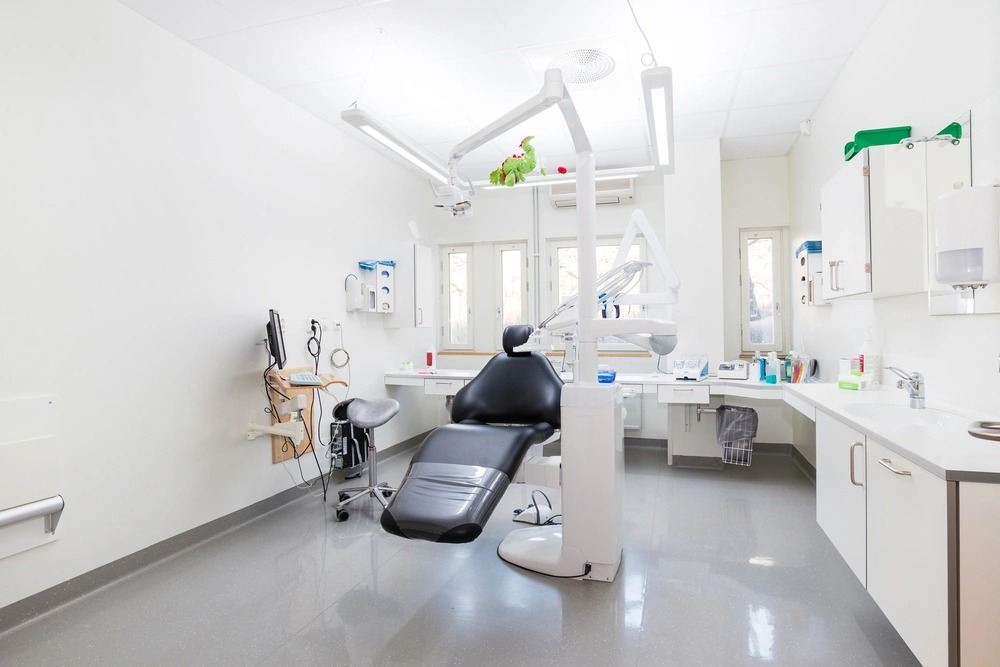
Tooth loss affects far more people than many realise, and its impact extends well beyond the physical. Missing teeth can influence the way a person speaks, eats, and presents themselves to the world. For some, the effect on self-confidence is profound, gradually leading to withdrawal from social situations or avoidance of smiling in everyday interactions. A dentist in Wigan will often hear patients describe how living with tooth loss has quietly shaped their daily experience, and how the prospect of a reliable and lasting solution feels genuinely life-changing when it finally becomes a real possibility.
The Wider Impact of Untreated Tooth Loss
The consequences of missing teeth are rarely limited to appearance alone. When a tooth is lost and not replaced, the bone in the jaw beneath the gap begins to resorb over time. Without the stimulation that a tooth root provides during biting and chewing, the body gradually withdraws minerals from that area of the jawbone, leading to a measurable reduction in overall bone volume.
This process can alter the shape of the face, causing the cheeks to appear sunken and the overall appearance to age more quickly than it otherwise would. Adjacent teeth may begin to drift into the gap, disrupting the alignment of the bite and potentially creating further complications over time. The psychological toll of living with missing teeth is well documented, with many patients reporting reduced confidence in professional settings and a reluctance to socialise freely.
Why Traditional Solutions Have Their Limitations
For many years, dentures and conventional bridges were the primary solutions available to patients with significant tooth loss. Both continue to play a role in modern dentistry, but each comes with limitations that patients deserve to understand before making a long-term decision.

Removable dentures provide an accessible solution, but many patients find them uncomfortable as time passes. The fit changes as the underlying bone continues to resorb, leading to instability during eating and speaking. Conventional bridges require the preparation of adjacent teeth, which often involves reducing otherwise healthy enamel to create anchor points. This compromise to neighbouring teeth is a drawback that some patients find difficult to accept when seeking a truly long-term solution.
All-on-Four as a Full-Arch Restoration Solution
For patients who have lost most or all of their teeth in one or both arches, all on four implants represent a significant advancement in restorative dentistry. The technique uses four strategically placed implants to support a complete fixed arch of replacement teeth, eliminating the need for individual implants at each tooth position and making treatment accessible to a wider range of patients than conventional full-arch approaches.
The positioning of the implants is carefully planned using detailed imaging and digital planning tools. The two posterior implants are typically angled to maximise engagement with available bone, which is particularly valuable in patients who have already experienced some degree of bone resorption. This approach often allows treatment to proceed without the need for bone grafting, reducing both the complexity and the overall duration of the process considerably.
What Makes This Approach So Effective
The fixed prosthesis supported by all on four implants does not require removal for cleaning, does not move during eating or speaking, and is designed to look and feel as close to natural teeth as possible. For patients who have been struggling with unstable dentures or extensive tooth loss, the difference in daily function and personal confidence can be truly extraordinary.
Beyond the immediate practical benefits, the implants stimulate the jawbone in the same way that natural tooth roots do, helping to prevent the ongoing bone resorption that would otherwise continue unchecked. This means the benefits of treatment extend well beyond aesthetics and into genuine long-term preservation of oral health and facial structure over many years.
The Assessment and Planning Process Explained
No restorative treatment plan is produced without a thorough clinical assessment. For implant-based solutions this involves detailed imaging, often including cone beam CT scans, that allow the clinician to evaluate bone structure in three dimensions and plan implant placement with genuine precision. A dentist in Wigan experienced in implant dentistry will also review the patient’s overall health, medication history, and relevant lifestyle factors before confirming a treatment plan.
Conditions such as uncontrolled diabetes or active gum disease may need to be addressed before implants are placed, and smoking is associated with higher rates of implant complications that can affect long-term outcomes. These factors are discussed openly during the assessment phase so that patients can make fully informed decisions about their treatment pathway and what preparations may be required.
Recovery, Aftercare, and Long-Term Success
Recovery following implant placement varies between individuals, but most patients find the process more straightforward than they anticipated. Mild swelling and discomfort in the days following surgery are entirely normal and manageable with appropriate pain relief and adherence to aftercare instructions.

All on four implants, when properly maintained through consistent oral hygiene and routine professional check-ups, have an excellent long-term track record. Many patients retain their restorations for decades without significant intervention, making the initial investment one that delivers considerable value in quality of life over many years.
Starting the Conversation About Your Smile
For anyone living with tooth loss and wondering what is genuinely possible, speaking with a qualified dentist in Wigan is the most natural first step. A professional assessment opens the door to understanding the full range of options and choosing the path that best suits individual needs, clinical circumstances, and personal goals. Perfect Smile supports patients at every stage of their restorative journey, from initial consultation through to long-term aftercare, with experienced clinical teams dedicated to delivering outcomes that restore both function and confidence in a meaningful and lasting way.