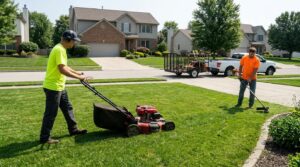
A healthy Minnesota lawn needs different care as the seasons change. Spring is for recovery and weed prevention, summer focuses on moisture and mowing, and autumn prepares grass for winter. A well-timed care plan helps grass grow stronger, limits weeds, and protects roots from harsh weather.Minnesota lawns face changing temperatures, heavy snowfall, spring rain, and summer heat. Each season affects grass growth, soil moisture, and the lawn’s ability to recover.
Proper Lawn Maintenance throughout the year helps grass handle these changes without unnecessary stress. Knowing what your lawn needs at each stage makes outdoor care easier and more effective.A seasonal approach also prevents common problems, such as weak grass, bare patches, weeds, and poor root growth. Tasks performed during the right weather can make a noticeable difference. From early spring treatments to autumn preparation, each step supports the next stage of growth. This guide explains how to plan lawn care around Minnesota’s seasonal conditions.
How Minnesota’s Seasons Affect Grass Growth
Minnesota’s climate creates distinct growing conditions throughout the year. Cold winters slow grass growth, while spring brings moisture and new growth. Summer heat can dry soil quickly, and autumn gives grass time to recover before winter. Understanding these changes helps homeowners choose suitable treatments and avoid unnecessary lawn work.
Grass responds to temperature, sunlight, water, and soil conditions. Working with these natural patterns is better than following a fixed schedule. A lawn care program should account for weather changes, grass growth, and the condition of the soil. This approach helps maintain steady growth while reducing the risk of damage from poorly timed treatments.
What Makes Seasonal Lawn Care Different?
Seasonal lawn care changes according to grass needs rather than calendar dates alone. Spring treatments support early growth, summer care protects grass from heat, and autumn tasks help roots recover. The timing may shift from year to year because Minnesota weather can change quickly.
Spring Lawn Care: Start With Recovery and Prevention
Spring is the time to help grass recover after winter. Begin by checking the lawn for snow damage, compacted soil, bare spots, and leftover debris. Wait until the ground is firm before walking across it frequently. Working on wet soil can cause compaction, making it harder for roots to receive air and water. Gentle cleanup gives grass room to grow without disturbing fragile areas.
Early lawn fertilization should depend on grass activity and soil conditions. Applying products too early may waste nutrients before grass can use them. Spring pre emergent crabgrass lawn treatment can help prevent crabgrass from growing when applied at the correct time. Soil temperature and product directions matter more than a fixed date. Seasonal lawn fertilization and weed control should follow local growing conditions.
Spring Tasks Worth Prioritising
- Remove leaves, twigs, and winter debris.
- Check for bare patches and damaged grass.
- Avoid mowing wet or soft ground.
- Apply suitable weed prevention at the right time.
- Begin mowing when grass is actively growing.
- Check soil moisture before watering.
Summer Care: Protect Grass From Heat and Dry Soil
Summer care focuses on helping grass handle heat, limited rainfall, and heavy outdoor use. Grass may grow quickly during early summer, then slow during hot or dry periods. Mowing too short can expose soil and weaken grass. Keeping suitable grass height helps shade the soil, retain moisture, and limit weed growth. Adjust mowing frequency according to actual growth instead of following a strict weekly routine.
Watering should support deeper root growth rather than frequent, shallow moisture. Water early in the morning when possible to reduce evaporation. Check soil before watering because rainfall may provide enough moisture. Weed control treatments should be selected carefully during heat, as some products can stress grass under harsh conditions. Weekly mowing with seasonal fertilization may work during active growth, but mowing frequency and nutrient needs can change during hot spells.
Summer Lawn Care Mistakes to Avoid
- Cutting grass too short during hot weather.
- Watering lightly every day without checking soil.
- Applying treatments during extreme heat.
- Mowing grass when it is stressed or dry.
- Ignoring signs of thinning or soil compaction.
Autumn Preparation: Strengthen Roots Before Winter
Autumn is one of the most useful times to prepare grass for winter. Cooler temperatures often reduce heat stress while allowing roots to remain active. Lawn Maintenance during this period should focus on steady growth, removing fallen leaves, and supporting root strength. Grass should not be left buried under thick leaf layers because blocked sunlight and trapped moisture can cause damage.
Fall lawn cleanup and fertilization can support recovery after summer stress. Fertiliser timing should match grass activity and local conditions. Overseeding may help repair thin areas when temperatures and moisture support germination. Avoid leaving new grass without enough time to establish before freezing weather. Autumn care is not about forcing rapid growth. It is about helping grass enter winter in better condition.
Why Autumn Care Matters
Strong roots help grass survive cold conditions and begin growing again when spring arrives. Proper mowing, leaf removal, and suitable nutrient care support this process. Maintaining thick healthy residential grass requires attention to thin patches, weeds, soil conditions, and moisture before winter settles in.
Build a Seasonal Routine That Supports Lawn Health
A consistent routine makes outdoor care easier to manage. Instead of doing every task at once, divide work across the growing season. Check grass regularly, watch for changes, and adjust your schedule when weather conditions shift. Lawn Maintenance becomes more manageable when tasks are planned around grass needs instead of rushed seasonal cleanups.
A simple seasonal checklist can help prevent missed tasks. Keep notes about mowing height, watering, weeds, bare areas, and previous treatments. These records help you understand what worked and what needs adjustment. A lawn health care approach should focus on grass condition, root growth, soil quality, and recovery rather than simply making the lawn look green.
A Simple Seasonal Checklist
| Season | Main Focus | Helpful Tasks |
| Spring | Recovery and prevention | Cleanup, weed prevention, early mowing |
| Summer | Heat and moisture | Proper mowing, deep watering, stress checks |
| Autumn | Root strength | Leaf removal, fertilisation, patch repair |
| Winter | Protection | Limit foot traffic, avoid piling debris |
Conclusion
Planning seasonal Lawn Maintenance around Minnesota’s weather helps grass handle heat, rain, cold, and changing growth patterns. Spring supports recovery, summer protects against stress, and autumn helps roots prepare for winter. Each season plays a role in keeping grass healthy throughout the year.
The best routine is one that responds to your lawn’s condition. Watch grass growth, check soil moisture, remove debris, and choose suitable treatments. Small tasks performed at the right time can help your lawn stay thicker, stronger, and easier to care for.
Frequently Asked Questions
When should lawn care begin in Minnesota?
Begin spring care when the ground has dried and grass starts growing. Avoid heavy work on soft soil, as it can cause compaction and damage.
How often should grass be mowed during summer?
Mow according to growth rather than a fixed schedule. Faster growth may require more frequent mowing, while dry weather can reduce mowing needs.
Is autumn fertilisation helpful for Minnesota lawns?
Autumn fertilisation can support root growth and grass recovery. The timing and product should match grass type, soil conditions, and local weather.
How can homeowners reduce crabgrass in spring?
Apply a suitable pre emergent treatment before crabgrass germinates. Correct timing is important, so follow product directions and local weather conditions.
Should grass be cut short before winter?
Grass should not be cut excessively short before winter. Maintain a suitable height during the final mowing periods to avoid weakening the lawn.