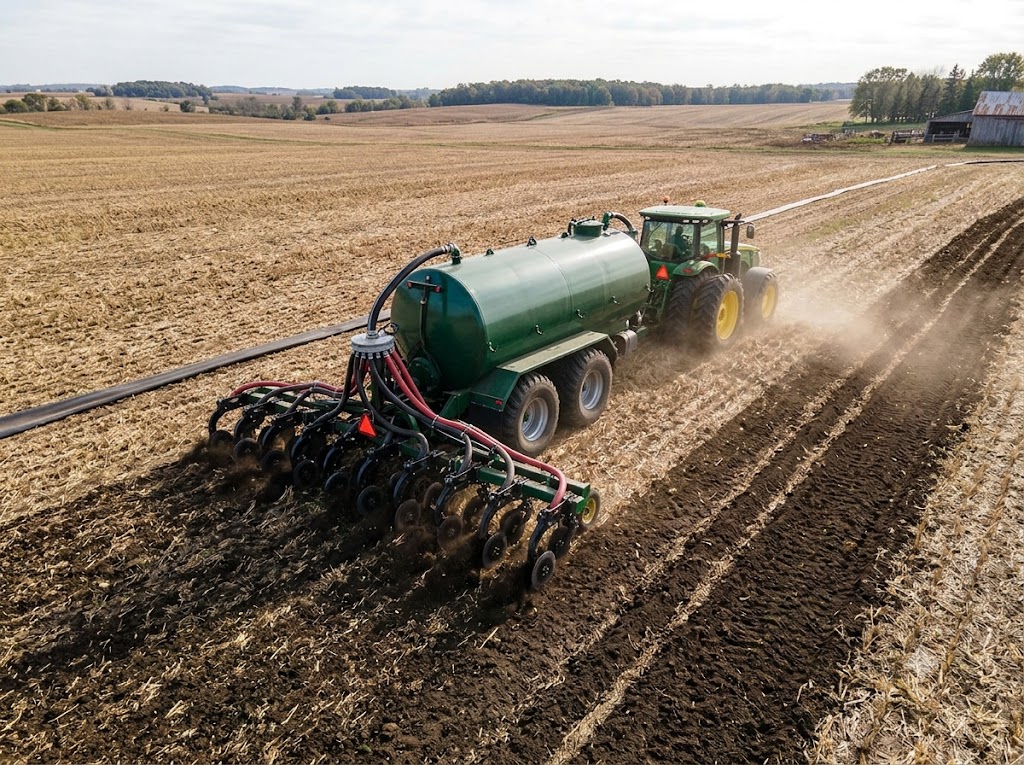
Livestock manure contains valuable nutrients and organic matter that support agricultural soil management. However, storing and applying fresh manure without proper planning can create challenges involving odor, nutrient loss, runoff, and handling. Composting provides a practical way to manage this material while producing a more stable organic amendment for agricultural use.
For livestock producers and agricultural operations, Manure composting in Iowa represents an opportunity to improve manure management while making better use of farm-generated resources. Effective composting requires suitable materials, moisture control, adequate oxygen, and regular monitoring. When these factors are managed properly, the process transforms raw manure and complementary organic materials into a more manageable product that supports responsible nutrient management.
Understand How Manure Composting Works
Composting is a biological process in which microorganisms break down organic materials under controlled conditions. Livestock manure supplies moisture, nutrients, and organic matter, while materials such as straw, dry leaves, or wood-based bedding can contribute carbon and improve the mixture’s structure.
During active composting, microbial activity generates heat. Maintaining appropriate moisture and oxygen levels supports decomposition and helps the composting process progress effectively.
The final product is generally more stable than fresh manure, although its characteristics depend on the materials used and the composting method. Properly managed compost can be easier to handle and store, but it should not automatically be considered pathogen-free or free of weed seeds.
Understanding the process helps agricultural operators establish practical procedures suited to their livestock operation and available resources.
Select Suitable Materials and Establish the Right Mixture
Successful composting starts with a suitable balance of carbon-rich and nitrogen-rich materials, known as the carbon-to-nitrogen (C:N) ratio. The USDA Natural Resources Conservation Service (NRCS) Conservation Practice Standard 317, Composting Facility, recommends an initial C:N ratio of 20:1 to 40:1 for rapid composting.
Manure typically supplies nitrogen, while bedding and dry plant materials contribute carbon.
The ideal mixture depends on the type of manure, bedding material, moisture content, and composting system. A mixture containing excessive wet manure can become compacted and poorly aerated. Too much dry, carbon-rich material can slow decomposition if the mixture lacks sufficient nitrogen or moisture.
Common materials used in agricultural composting include:
- Cattle manure mixed with bedding.
- Horse manure and straw.
- Poultry manure blended with suitable carbon-rich materials.
- Crop residues and dry plant matter.
- Other approved organic materials appropriate for the operation.
Avoid including plastics, treated wood, chemical containers, or other contaminants that could compromise the finished compost.
Where possible, evaluate the mixture’s characteristics before forming a pile. Consistent material preparation helps support more predictable decomposition.
Manage Moisture, Oxygen, and Temperature
Three important factors influence composting performance: moisture, oxygen, and temperature.
Moisture management: Microorganisms require water to break down organic matter. Excessively dry material decomposes slowly, while saturated compost restricts airflow and encourages undesirable anaerobic conditions. The mixture should feel moist without releasing large amounts of water when squeezed. The NRCS Conservation Practice Standard 317 recommends maintaining compost moisture between 40% and 60% on a wet-weight basis throughout the composting period.
Aeration: Oxygen supports aerobic decomposition. Turning the pile or using an appropriately designed aeration system helps maintain airflow and distribute moisture and heat.
Temperature: Compost temperatures change as microbial activity progresses. Monitoring temperature at multiple locations helps identify active areas and uneven decomposition. The NRCS Conservation Practice Standard 317 identifies 145°F as a temperature needed to adequately kill weed seeds. For pathogen reduction, the required time and temperature depend on the material, composting method, and applicable standard. For example, the U.S. Environmental Protection Agency’s 40 CFR Part 503 specifies pathogen-reduction conditions for sewage sludge (biosolids), including maintaining temperatures of at least 131°F for three days in in-vessel or aerated static pile composting, or for at least 15 days in windrow composting with at least five turnings during that period. These biosolids requirements should not automatically be treated as the regulatory standard for livestock manure.
Temperature requirements depend on the composting method and the intended pathogen-reduction objectives. Follow applicable guidance for time, temperature, and turning frequency rather than assuming that a warm pile automatically produces sanitized compost.
Regular records of temperature, moisture adjustments, and turning activities help operators evaluate progress and identify problems early.
Choose a Composting Method That Fits Your Farm
Different composting systems suit different agricultural operations.
Windrow composting involves forming long piles that are turned periodically. It offers flexibility for operations with suitable land and equipment.
Static pile composting uses piles that remain relatively stationary during active processing. Some systems incorporate forced aeration to supply oxygen without frequent mechanical turning.
In-vessel composting takes place inside a controlled container or enclosed system. These systems can provide greater process control but often involve higher equipment and operating costs.
When selecting a method, consider manure volume, available space, labor, equipment, weather exposure, and expected production needs. The best system is one that can be managed consistently within the farm’s operational and financial constraints.
Prevent Runoff and Protect Nearby Water Resources
Iowa’s agricultural environment makes water management an important part of composting. Rainfall moving through manure or compost can carry nutrients into surrounding soil and waterways if the site is poorly managed.
Select a suitable composting location with appropriate drainage and separation from wells, surface water, and other sensitive areas. Site selection must follow applicable environmental requirements and local conditions. The USDA Natural Resources Conservation Service’s Conservation Practice Standard 317, Composting Facility, provides technical guidance for composting facility design and management, including provisions for suitable site conditions and protection of water resources.
Use suitable runoff controls and protect compost piles from excessive precipitation where necessary. Avoid placing piles where water naturally collects or where runoff could reach drainage channels.
Check applicable state and local requirements before establishing or modifying a composting site. In Iowa, the Department of Natural Resources (DNR) regulates animal feeding operations. For confinement feeding operations, a manure management plan is generally required when the operation has a capacity of more than 500 animal units and was constructed or expanded after May 31, 1985, when a manure storage structure is proposed for an operation exceeding 500 animal units, or in certain cases involving manure imported from outside Iowa. Construction permit and other requirements depend on the operation’s type, size, and manure storage system. Producers should confirm the requirements applicable to their specific operation with the Iowa DNR.
Use Finished Compost Responsibly
Finished compost can contribute organic matter and nutrients to agricultural soils. However, nutrient content varies according to the original materials and composting process.
Testing the finished product helps determine nutrient concentrations and supports appropriate application planning. Soil testing and crop nutrient requirements should guide how much compost is applied.
Avoid applying compost at rates that exceed crop needs or increase the risk of nutrient movement into nearby water resources. Follow appropriate application practices and maintain records of quantities, locations, and timing.
Composting does not eliminate the need for responsible nutrient management. Its value depends on how effectively the finished material is stored, tested, transported, and applied.
Build a More Effective Manure Management Program
Manure composting requires consistent monitoring, thoughtful site management, and a clear understanding of agricultural nutrient needs. Properly managed composting can improve organic material handling while supporting more efficient use of farm resources.
Evaluate your manure volume, available equipment, site conditions, and intended compost use before selecting a system. Establish monitoring procedures, maintain accurate records, and confirm applicable environmental requirements.
Explore manure composting options in Iowa and develop a practical management strategy that supports responsible agricultural operations, nutrient conservation, and long-term soil stewardship.