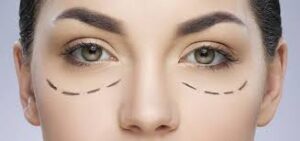
The area beneath the eyes plays an important role in the overall appearance of the face. Changes in the lower eyelids, including under-eye bags, puffiness, loose skin, and visible creases, can influence how the eyes look in relation to the cheeks and other facial features. For people considering cosmetic eyelid surgery, understanding how treatment is planned around their individual anatomy is an important part of making an informed decision.
Lower Blepharoplasty in London is a treatment option for people who want to address specific concerns affecting the lower eyelids. Rather than following a standard approach for every patient, treatment planning involves assessing the skin, underlying tissues, eyelid position, and surrounding facial structures. These details help a qualified surgeon determine which techniques may be appropriate for the individual’s needs.
At Bodyvie Clinic, a consultation provides an opportunity to discuss personal concerns, understand the available treatment approaches, and explore how lower eyelid surgery may fit into the patient’s aesthetic goals. The aim is to develop a considered treatment plan that respects natural facial proportions while focusing on the areas the patient wishes to improve.
Understanding the Role of Lower Eyelid Anatomy
The lower eyelids are delicate structures made up of skin, muscle, connective tissue, and supporting tissues. Each component contributes to the contour and position of the eyelid. Changes in these structures can affect the appearance of the under-eye area in different ways.
For example, some people primarily notice prominent under-eye bags, while others are more concerned about loose skin or a visible transition between the lower eyelid and the upper cheek. These concerns may appear similar at first, but they do not necessarily have the same underlying cause.
During an assessment, the surgeon considers which anatomical features contribute to the patient’s concerns. This helps establish whether the treatment should focus on excess skin, the contour of the tissues beneath the eye, or the relationship between the lower eyelid and the cheek.
Understanding these differences is essential because the most appropriate surgical approach depends on the individual’s anatomy rather than the appearance of the under-eye area alone.
How Facial Features Influence Treatment Planning
Every face has its own proportions, contours, and natural characteristics. Lower eyelid surgery must be planned with these differences in mind to help maintain a balanced appearance.
Eye Shape and Natural Contours
The shape of the eyes is one of the first features considered during treatment planning. Eye shape, eyelid curvature, and the position of the lower eyelid all influence how the under-eye area appears.
Some patients have naturally rounded eyes, while others have a more elongated or almond-shaped appearance. The surgeon evaluates these characteristics alongside the patient’s concerns to understand how changes to the lower eyelid may affect the overall eye area.
The objective is to plan treatment around the existing anatomy rather than apply the same surgical technique to every patient. Preserving the natural character of the eyes is an important consideration when discussing potential outcomes.
Cheek Structure and Under-Eye Transitions
The cheeks contribute significantly to the appearance of the lower eyelids. The transition between the eyelid and the upper cheek can influence whether the under-eye area appears smooth, hollow, or prominent.
In some individuals, under-eye bags are more noticeable because of the relationship between the lower eyelid tissues and the cheek contour. In others, a hollow area beneath the eyes may create a shadow that resembles a dark circle.
A facial assessment considers these differences before treatment is planned. This allows the surgeon to evaluate whether lower eyelid surgery alone may address the patient’s concerns or whether another approach should be discussed.
The purpose is to understand the under-eye area as part of the wider facial structure, rather than treating it as an isolated feature.
Assessing Under-Eye Bags, Puffiness, and Excess Skin
Under-eye bags and puffiness are common reasons people explore lower eyelid surgery. However, the appearance of the lower eyelids can be influenced by several factors, including the position of underlying fat, skin elasticity, and the natural contours of the eye socket.
During a consultation, the surgeon examines the amount and distribution of tissue beneath each eye. They also assess whether excess skin contributes to the appearance of folds or creases.
This distinction helps guide the discussion about suitable techniques. For example, prominent under-eye bags may require a different approach from concerns primarily related to loose skin. Some patients may have a combination of features that need to be considered together.
The assessment also takes account of the degree of change the patient hopes to achieve. Clear communication about the specific areas of concern helps establish realistic treatment goals and provides a basis for discussing the options available.
Choosing an Appropriate Lower Eyelid Surgical Technique
Lower eyelid surgery can involve different techniques depending on the patient’s anatomy and treatment objectives. The choice of approach is made following an individual assessment rather than being determined by a single feature.
Transconjunctival Lower Blepharoplasty
A transconjunctival approach involves making an incision on the inside of the lower eyelid. It may be considered for selected patients whose main concern is prominent tissue beneath the eyes and who have little excess skin requiring removal.
Because the incision is placed inside the eyelid, there is no external skin incision from this approach. However, suitability depends on the patient’s anatomy and the treatment required.
This technique is not appropriate for every patient, particularly when significant excess skin needs to be addressed. The surgeon evaluates the lower eyelid structure before determining whether it may be suitable.
Transcutaneous Lower Blepharoplasty
A transcutaneous approach involves an incision near the lower eyelashes, allowing the surgeon to access the tissues beneath the eyelid. It may be considered when excess skin needs to be addressed alongside other under-eye concerns.
The decision to use this approach depends on factors such as skin laxity, eyelid support, and the overall treatment plan. The surgeon also considers how the incision can be positioned in relation to the natural contours of the lower eyelid.
Neither technique is universally preferable. The most appropriate method depends on the individual’s needs, the condition of the eyelid tissues, and the surgeon’s clinical assessment.
Considering Skin Quality and Elasticity
Skin quality is another important consideration when planning lower eyelid surgery. The skin beneath the eyes is relatively thin, which means changes in elasticity and texture can become noticeable in this area.
During an assessment, the surgeon examines the amount of loose skin, the visibility of fine lines, and the way the skin sits over the underlying structures. These details help determine whether skin removal should form part of the proposed treatment.
Patients with prominent under-eye bags but limited skin laxity may have different treatment requirements from those with more noticeable loose skin. A carefully considered approach aims to address the relevant concern without removing more skin than is appropriate.
It is also important to distinguish between skin laxity and other factors that affect under-eye appearance. Pigmentation, shadows, and hollowness may contribute to the same cosmetic concern but may not be corrected by lower eyelid surgery alone.
Evaluating Lower Eyelid Position and Support
The position of the lower eyelid is an essential part of surgical planning. The eyelid needs adequate support to maintain its natural relationship with the eye and surrounding tissues.
A surgeon assesses eyelid tone, shape, and the relationship between the lower eyelid and the eye itself. They may also consider differences between the two sides of the face, as natural asymmetry is common.
These observations help determine which surgical techniques are appropriate and whether particular attention should be given to maintaining or supporting the eyelid’s position.
The assessment is especially important because the goal of treatment is not simply to remove visible tissue. It is also to preserve the natural structure and function of the lower eyelid while addressing the patient’s aesthetic concerns.
Facial Balance and the Importance of Natural-Looking Results
The under-eye area is closely connected to other facial features, including the cheeks, nose, eyebrows, and upper eyelids. A change in one area can influence how the surrounding features are perceived.
For this reason, treatment planning considers the patient’s overall facial proportions. The surgeon examines how the lower eyelids relate to the cheeks and whether shadows or contours affect the appearance of the midface.
Patients may have different preferences regarding their desired outcome. Some want a more defined under-eye contour, while others wish to reduce the prominence of under-eye bags without making substantial changes to their natural appearance.
Discussing these preferences helps the surgeon understand what matters most to the patient. It also provides an opportunity to explain what lower eyelid surgery can realistically achieve and which concerns may need a different treatment approach.
A natural-looking result is not defined by one particular eye shape or facial contour. Instead, it reflects a treatment plan that takes account of the patient’s existing features and individual goals.
What Happens During a Lower Blepharoplasty Consultation?
A consultation is an opportunity to evaluate the lower eyelids, discuss concerns, and determine whether surgery may be appropriate.
At a Blepharoplasty Clinic in London, the consultation process should involve more than simply identifying excess skin or prominent under-eye bags. The surgeon needs to understand the patient’s expectations and assess the anatomical factors that influence treatment decisions.
The discussion may include:
- Personal concerns: The patient explains what they would like to change, such as puffiness, loose skin, or under-eye contours.
- Medical and treatment history: Relevant health information, previous procedures, and current medications are reviewed where appropriate.
- Eyelid assessment: The surgeon examines skin quality, tissue distribution, eyelid position, and supporting structures.
- Facial proportions: The under-eye area is considered in relation to the cheeks and other surrounding features.
- Treatment options: Suitable techniques are discussed, including their intended purpose and limitations.
- Expected outcomes: The patient and surgeon establish realistic goals based on the individual’s anatomy.
This process allows the patient to ask questions and understand the reasoning behind the proposed approach. It also helps clarify whether lower blepharoplasty is suitable for the concerns being addressed.
Preparing for a Personalised Treatment Plan
Once the assessment is complete, the surgeon can explain the proposed treatment plan and how it relates to the patient’s facial features.
The plan may focus on addressing under-eye bags, removing selected areas of excess skin, or improving the contour between the lower eyelid and the cheek. In some cases, the surgeon may explain that another treatment or a different approach is more suitable for a particular concern.
Patients should have an opportunity to discuss the intended changes, the expected recovery process, and the practical arrangements involved in treatment. They should also understand that individual outcomes vary according to anatomy, healing, and the technique used.
A personalised plan provides a clearer understanding of the procedure and helps ensure that decisions are based on the patient’s needs rather than generalised expectations.
Why Choose an Individualised Approach to Lower Blepharoplasty in London?
An individualised approach recognises that no two patients have exactly the same lower eyelid anatomy. Differences in skin elasticity, eye shape, cheek structure, and tissue distribution can all influence the most appropriate surgical technique.
Choosing Lower Eyelid Surgery In London should therefore involve an assessment that considers both the specific under-eye concern and the wider facial structure. This helps the surgeon explain which aspects of the appearance may be improved through surgery and which may remain unchanged.
At Bodyvie Clinic, prospective patients can use a consultation to explore their concerns, discuss treatment options, and understand how a proposed procedure may be tailored to their features. Asking questions and sharing clear expectations can make the decision-making process more informed.
The focus should remain on suitability, careful planning, and an outcome that respects the patient’s natural anatomy.
Conclusion
Planning lower eyelid surgery involves much more than deciding how much skin or tissue to remove. Eye shape, cheek contours, skin elasticity, under-eye bags, and eyelid support all influence the treatment approach. These factors help determine which technique may be appropriate and how the procedure can be planned around the patient’s natural facial features.
For anyone considering Lower Blepharoplasty in London, an individual consultation is an important first step. It provides an opportunity to discuss personal concerns, understand the available surgical options, and establish realistic expectations.
At Bodyvie Clinic, the aim of a considered consultation is to help patients understand how lower eyelid surgery may address their concerns while taking their individual anatomy and aesthetic goals into account. A personalised treatment plan supports informed decision-making and keeps the focus on appropriate, balanced results.
Frequently Asked Questions
1. What is lower blepharoplasty?
Lower blepharoplasty is a surgical procedure designed to address concerns affecting the lower eyelids, such as prominent under-eye bags, selected areas of excess skin, and changes in the under-eye contour. The precise approach depends on the patient’s anatomy and treatment goals.
2. How is lower blepharoplasty planned around individual facial features?
Planning involves assessing eye shape, cheek structure, skin elasticity, tissue distribution, and lower eyelid position. The surgeon uses these findings, together with the patient’s preferences, to determine which surgical approach may be appropriate.
3. Who may be suitable for lower eyelid surgery?
Adults concerned about under-eye bags, excess lower eyelid skin, or certain changes in the under-eye contour may wish to explore the procedure. Suitability depends on an individual clinical assessment, including eyelid anatomy, general health, and expectations.
4. Is lower blepharoplasty suitable for under-eye bags?
It may be suitable when prominent tissue beneath the eyes is a primary concern. However, under-eye bags can have different causes, so a consultation is needed to determine whether surgery is likely to address the specific concern.
5. What is the difference between transconjunctival and transcutaneous lower blepharoplasty?
Transconjunctival lower blepharoplasty uses an incision inside the lower eyelid and may suit selected patients who do not need substantial skin removal. Transcutaneous lower blepharoplasty uses an incision near the lower eyelashes and may be considered when excess skin also needs to be addressed.
6. Does lower eyelid surgery improve dark circles?
Lower eyelid surgery may improve shadows caused by prominent under-eye bags or certain contour changes. However, dark circles can also result from pigmentation, thin skin, or other factors, so they may not improve significantly through surgery alone.
7. How long does recovery from lower blepharoplasty take?
Recovery varies depending on the surgical technique and the individual. Swelling and bruising may be noticeable during the initial recovery period, while the tissues continue to settle over the following weeks. The surgeon will provide personalised aftercare and guidance on returning to normal activities.
8. Will lower blepharoplasty change my natural eye shape?
The treatment plan should take the natural shape and position of the eyes into account. The surgeon assesses eyelid support and surrounding structures when selecting an appropriate technique. Patients should discuss any concerns about maintaining their natural eye appearance during consultation.
9. Can lower blepharoplasty be combined with other facial procedures?
It may be possible to combine lower eyelid surgery with other procedures in selected cases. The decision depends on the patient’s anatomy, overall health, treatment goals, and the suitability of the proposed combination.
10. What should I discuss during a lower blepharoplasty consultation in London?
Patients should explain their main concerns, desired changes, medical history, previous procedures, and expectations. They can also ask about the recommended technique, likely recovery period, anticipated results, and whether alternative treatments may be more appropriate for their needs.