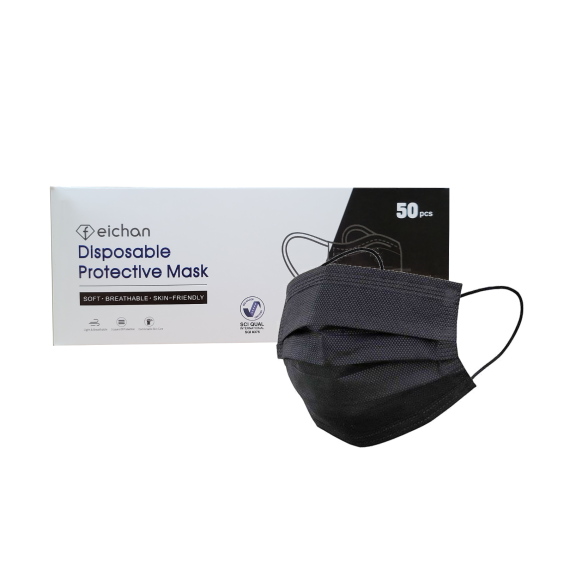
Protecting yourself from airborne particles is an important consideration in healthcare, public transport, workplaces, and crowded indoor environments. Face masks can help reduce exposure to certain airborne particles when selected and worn correctly. A KN95 Face Mask is a filtering facepiece respirator designed to provide a close fit and filter airborne particles when it meets the applicable performance requirements.
KN95 respirators are commonly used by people who want additional protection against particles in the air. They are available in different designs, sizes, and materials to accommodate different users and working conditions. Their effectiveness depends on several factors, including product quality, fit, correct use, and the conditions in which they are worn.
Although KN95 and N95 respirators are designed around similar filtration performance goals, they are associated with different standards and certification systems. Buyers should understand these differences before choosing a product for personal or professional use.
This guide explains what a KN95 face mask is, how it works, its key features, benefits, limitations, and differences from other masks. It also covers fit, purchasing considerations, proper use, storage, and frequently asked questions to help readers make informed decisions.
What Is a KN95 Face Mask?
A KN95 face mask is a filtering facepiece respirator designed to meet the Chinese GB 2626 standard for respiratory protective equipment. Under the applicable KN95 classification, the respirator is designed to filter at least 95% of specified test particles under standardised laboratory conditions.
This filtration rating does not mean that every KN95 product provides the same real-world protection. The respirator must meet the relevant requirements, and the wearer needs a good facial seal to reduce air leakage around the edges.
A KN95 Face Mask typically covers the nose, mouth, and chin. Many designs use multiple layers of filtering material, adjustable nose clips, and elastic ear loops to help maintain positioning.
These respirators are used in various settings where reducing exposure to airborne particles is desirable. However, they are not automatically suitable for every workplace hazard, medical procedure, or environment containing hazardous gases and vapours.
Buyers should verify product authenticity, applicable standards, and intended use before purchasing a KN95 respirator.
How Does a KN95 Face Mask Work?
A KN95 respirator works by filtering particles from the air passing through its filtering material. When the respirator fits properly, it can help reduce the amount of airborne particulate matter that reaches the wearer’s nose and mouth.
Multi-Layer Filtration
Many KN95 respirators contain several layers of nonwoven material designed to perform different functions.
Outer layers help provide structure and protect the filtering layers. Other layers contribute to particle filtration, including specialised material that uses electrostatic effects to capture particles.
The exact layer arrangement depends on the manufacturer and product design.
Particle Filtration
KN95 respirators are tested against specified particles under the applicable standard. A compliant respirator is designed to achieve at least 95% filtration efficiency under those test conditions.
This laboratory rating should not be interpreted as a guarantee that 95% of all harmful particles will be blocked in every real-world situation.
Actual protection depends on fit, product quality, wearing conditions, and the characteristics of the airborne hazard.
Facial Seal
A close facial fit is essential because air can enter through gaps around the nose, cheeks, and chin.
Many KN95 designs include a flexible nose clip that can be adjusted to improve the fit. The respirator should sit securely over the nose and under the chin without large gaps.
Facial hair in the sealing area, an unsuitable size, or damaged straps can interfere with the seal.
Key Features of KN95 Face Masks
Understanding the main features of KN95 respirators can help buyers choose products that meet their needs.
High Filtration Performance
KN95 respirators are designed to meet a minimum filtration efficiency of 95% under the applicable laboratory test conditions.
This makes them different from many loose-fitting cloth face coverings and some general-purpose masks.
However, filtration performance alone does not determine overall protection. A good fit and a genuine, compliant product are also essential.
Adjustable Nose Clip
Many KN95 respirators include a flexible metal or plastic nose clip.
Adjusting this component helps shape the upper edge of the respirator around the nose. A better fit may reduce air leakage and improve comfort.
Users should follow the manufacturer’s instructions and check that the respirator does not leave significant gaps around the nose.
Secure Straps
KN95 respirators commonly use elastic ear loops, although designs may vary.
The straps help hold the respirator in place during normal movement. They should be intact and provide a secure fit without causing excessive discomfort.
Some users may find that different designs fit their face shape more effectively than others.
Lightweight Construction
Many KN95 respirators are made from lightweight nonwoven materials.
A well-designed respirator can be practical for daily activities, commuting, and selected workplace applications. Comfort depends on the fit, design, material, and duration of use.
Foldable Design
Many KN95 products feature a foldable shape that allows them to be stored in individual packaging when not in use.
This can make them convenient to carry in a bag or keep as part of a supply kit.
Respirators should be stored according to the manufacturer’s instructions and protected from moisture, contamination, and physical damage.
Benefits of Using a KN95 Face Mask
A suitable KN95 respirator can provide several benefits when it is genuine, properly fitted, and used for an appropriate purpose.
Helps Reduce Exposure to Airborne Particles
KN95 respirators are designed to filter airborne particles, including many particles that may carry infectious agents or originate from dust and other sources.
The degree of protection depends on the particle type, exposure conditions, respirator quality, and facial fit.
Respirators do not provide complete protection against every airborne hazard, and they are not designed to filter all gases or vapours.
Useful in Crowded Indoor Environments
Indoor environments with many people may involve increased exposure to airborne particles, depending on ventilation, occupancy, and the activities taking place.
A properly fitted KN95 respirator can be one measure to help reduce exposure in such settings.
Other measures, including improved ventilation and staying away from people who are ill when appropriate, may also contribute to reducing risk.
Convenient for Travel and Commuting
Public transport, airports, waiting rooms, and other busy environments can bring people into close contact.
Some travellers choose KN95 respirators because they offer a close-fitting design and specified filtration performance.
The best choice depends on the intended use, fit, comfort, and the applicable recommendations for the situation.
Suitable for Selected Workplace Applications
KN95 respirators may be used in certain workplaces where reducing exposure to airborne particles is desirable.
However, employers should assess workplace hazards and determine whether a KN95 product is appropriate under applicable occupational safety requirements.
In the United States, a KN95 respirator is not the same as a NIOSH-approved N95 respirator. Workplaces that require a NIOSH-approved respirator must use an appropriate NIOSH-approved product and follow the applicable respiratory protection programme.
Available in Different Designs
KN95 respirators are available in flat-fold, boat-shaped, and other designs.
These options can help users find a shape that fits their face more effectively. Different designs may also affect comfort, breathing resistance, and how well the respirator stays in place.
Selecting a model that seals properly is more important than choosing a particular shape based on appearance alone.
KN95 vs N95 vs Surgical Masks
Although these products are all used for respiratory protection or source control, they differ in their standards, intended purposes, and fit.
KN95 Respirators
KN95 respirators are associated with the Chinese GB 2626 standard. Products meeting the applicable requirements are designed for at least 95% filtration efficiency under specified test conditions.
Their real-world performance depends on authenticity, fit, and correct use.
N95 Respirators
N95 respirators are certified by the US National Institute for Occupational Safety and Health (NIOSH) under applicable US requirements.
A NIOSH-approved N95 respirator is designed to filter at least 95% of specified airborne particles under standardised test conditions.
In US workplaces, NIOSH approval is particularly important when an employer’s respiratory protection programme requires a NIOSH-approved respirator.
Surgical Masks
Surgical masks are designed primarily to provide a barrier against certain droplets and splashes and to support source control in appropriate settings.
They generally fit more loosely than filtering facepiece respirators, allowing air to enter around the edges.
A surgical mask should not automatically be considered equivalent to a close-fitting KN95 or N95 respirator for reducing inhalation of airborne particles.
How to Choose the Right KN95 Face Mask
Selecting a suitable respirator involves more than checking the filtration rating.
Verify Product Authenticity
Buy from a reputable supplier and check the manufacturer’s information, packaging, model identification, and applicable compliance documentation.
Be cautious of unsupported claims, unclear labelling, or products that use certification language without evidence.
The KN95 designation alone does not guarantee that an individual product is genuine or compliant.
Check the Fit
A respirator should cover the nose and mouth and fit securely under the chin.
After putting it on, adjust the nose clip and check for obvious gaps around the edges. Follow the manufacturer’s instructions for performing a user seal check.
If the respirator does not fit properly, try another size or design. Facial hair in the sealing area can interfere with the seal.
Consider Comfort
A respirator may need to be worn for an extended period, so comfort is an important factor.
Consider the fit, strap design, nose clip, and material. A comfortable respirator is easier to keep correctly positioned during normal activities.
However, comfort should not come at the expense of a proper seal or required protection.
Review the Intended Application
Determine whether the respirator is suitable for your particular use.
For workplace applications, follow the relevant risk assessment, safety requirements, and employer instructions. Certain environments require specific respirator approvals or a formal respiratory protection programme.
KN95 respirators are not suitable for every chemical hazard, especially gases and vapours for which a different type of respiratory protection may be required.
Check Packaging and Instructions
Review the manufacturer’s guidance on wearing, storage, replacement, and limitations.
Inspect the respirator before use. Do not use a product with damaged straps, torn material, or other defects that may affect its performance.
How to Wear a KN95 Face Mask Correctly
Correct use is essential for achieving the intended level of protection.
First, wash or sanitise your hands before handling the respirator.
Inspect the respirator to make sure the material and straps are intact. Identify the upper edge and position the respirator over the nose and mouth.
Secure the straps according to the manufacturer’s instructions. Adjust the nose clip to fit the shape of your nose and ensure that the lower edge sits securely under your chin.
Check the seal by following the manufacturer’s instructions. If air leaks noticeably around the edges, adjust the respirator or try a different model.
Avoid repeatedly touching the front of the respirator while wearing it. If it becomes damaged, contaminated, difficult to breathe through, or unable to maintain a proper fit, replace it.
Do not rely on a respirator that is visibly damaged or has loose straps.
How Long Can You Wear a KN95 Face Mask?
There is no single wearing time that applies to every KN95 respirator.
The appropriate duration depends on the manufacturer’s instructions, exposure conditions, moisture, contamination, breathing resistance, and workplace requirements.
Replace the respirator if it becomes wet, damaged, visibly dirty, difficult to breathe through, or unable to maintain a secure fit.
Some products are intended for single use. Do not wash or disinfect a disposable KN95 respirator unless the manufacturer specifically provides instructions permitting that treatment. Cleaning methods can damage the filtering material or affect the respirator’s structure.
For occupational use, follow the employer’s respiratory protection procedures and applicable requirements.
Buying KN95 Face Masks in Bulk
Businesses, healthcare organisations, and other institutions may need to purchase respirators in larger quantities.
Before ordering, estimate expected demand based on workforce size, usage patterns, and replacement requirements.
Compare suppliers using equivalent products and check the following:
- Product authenticity and manufacturer details.
- Applicable standards and supporting documentation.
- Available sizes and designs.
- Unit prices, carton quantities, and shipping costs.
- Stock availability and delivery schedules.
- Storage requirements and product shelf life, where specified.
Request documentation or samples when product suitability is uncertain. Avoid making purchasing decisions based only on price or broad marketing claims.
For workplace use, verify that the selected respirator meets the organisation’s safety requirements. In the United States, a workplace that requires NIOSH-approved respiratory protection should not treat a KN95 as an automatic substitute for an approved N95 respirator.
Proper Storage and Maintenance
Store unused KN95 respirators according to the manufacturer’s instructions.
Keep them in their original packaging or another clean, dry storage arrangement that protects them from dust, moisture, contamination, and physical damage.
Avoid storing respirators in conditions that may affect the filtering material or straps. Do not use a respirator that has deteriorated during storage.
Disposable KN95 respirators generally should not be washed or treated with cleaning chemicals. These methods may compromise their filtration performance or fit.
Follow local waste disposal procedures when discarding used respirators, particularly in workplaces where they may have been exposed to hazardous materials.
Frequently Asked Questions
What Is a KN95 Face Mask Used For?
A KN95 respirator is designed to filter airborne particles and reduce inhalation exposure when it meets the applicable requirements and fits properly. It may be used in selected personal and workplace settings where particulate protection is appropriate.
Does a KN95 Mask Filter 95% of Particles?
A compliant KN95 respirator is designed to achieve at least 95% filtration efficiency under specified laboratory test conditions. Actual protection depends on product quality, fit, wearing conditions, and the airborne hazard.
Is a KN95 the Same as an N95?
No. KN95 and N95 respirators are associated with different standards and certification systems. KN95 is associated with China’s GB 2626 standard, while N95 respirators are certified by NIOSH in the United States.
Can I Reuse a KN95 Face Mask?
Some manufacturers may provide instructions for limited reuse under specified conditions, while other products are intended for single use. Follow the product instructions and replace the respirator if it becomes damaged, wet, contaminated, or difficult to breathe through.
Are KN95 Respirators Good for Travel?
A properly fitted KN95 respirator can be a useful option for reducing exposure to airborne particles during travel. Its suitability depends on fit, product authenticity, and the circumstances in which it is worn.
How Do I Know Whether a KN95 Mask Fits Properly?
The respirator should cover your nose and mouth, sit securely under your chin, and have minimal gaps around the edges. Follow the manufacturer’s instructions for checking the seal. If it does not fit securely, try another size or design.
Can KN95 Masks Protect Against Gases and Vapours?
Standard KN95 respirators are designed for particulate filtration, not protection against all gases or vapours. Specific chemical hazards may require a different type of respirator and an appropriate filter or cartridge selected through a risk assessment.
Are KN95 Masks Suitable for Workplace Use?
Their suitability depends on the workplace hazard and applicable regulations. In the United States, employers must follow occupational respiratory protection requirements, including NIOSH approval where required by the applicable programme.
How Should KN95 Respirators Be Stored?
Keep unused respirators in clean, dry conditions and follow the manufacturer’s storage instructions. Protect them from moisture, contamination, excessive heat, and physical damage.
Where Can I Buy KN95 Face Masks?
KN95 respirators may be available from reputable PPE suppliers, safety equipment distributors, and medical supply retailers. Check product identification, supplier reliability, and supporting documentation before purchasing.
Conclusion
A KN95 Face Mask is a filtering facepiece respirator designed to reduce exposure to airborne particles when the product meets the applicable standard and fits correctly. Its filtration performance, compact design, and availability in different shapes make it an option for selected personal and workplace applications.
However, the KN95 designation alone does not guarantee product authenticity or effective protection in every situation. Buyers should verify the product’s specifications, ensure a suitable facial fit, and follow the manufacturer’s instructions.
When selecting a respirator, consider the intended application, comfort, fit, and relevant workplace requirements. Businesses should also confirm whether a particular certification or approval is necessary before purchasing in bulk.
By choosing an appropriate product and wearing it correctly, users can make more informed decisions about respiratory protection and reduce exposure to certain airborne particles.