Version 1.0.0
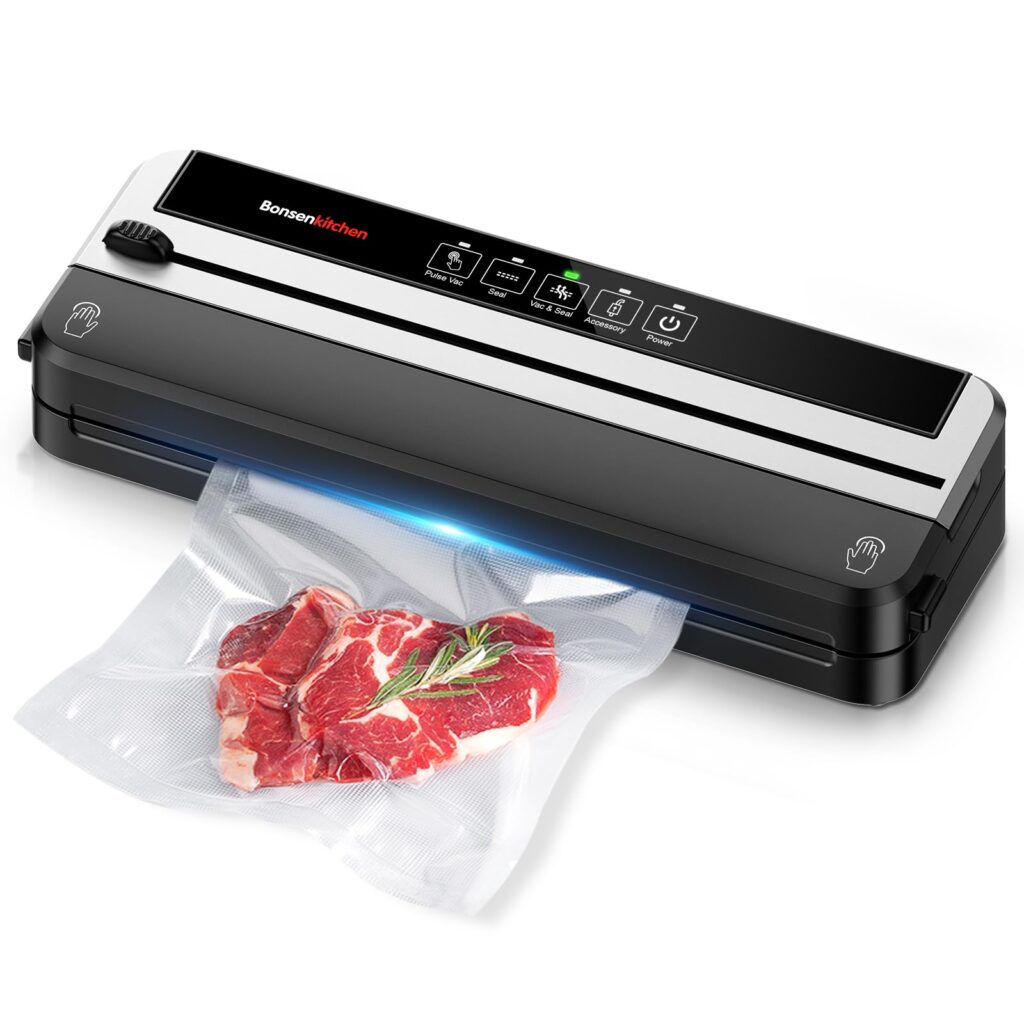
A vacuum pack sealer machine plays a crucial role in preserving the freshness and quality of various items, particularly food products. By removing air and creating an airtight environment, these machines effectively inhibit the growth of microorganisms that cause spoilage. Commonly used in both domestic and professional settings, they are versatile tools for extending shelf life, preventing freezer burn, and reducing waste. This technology supports efficient storage solutions, enabling users to maintain the integrity of perishable goods while optimising available space.
The Basics of Vacuum Seal Packing Machines
Vacuum seal packing machines work by removing air from the packaging, creating a vacuum, and sealing the package to maintain its integrity. This process significantly reduces oxygen levels, which helps to prevent the growth of bacteria and mould that cause spoilage. The main components of these machines typically include a vacuum pump, which efficiently extracts air, and a sealing bar that ensures the packaging is completely airtight. Some models also feature adjustable controls, enabling precise customisation for different packaging needs.
Vacuum pack sealers are compatible with specially designed bags or rolls, which are constructed to withstand the sealing process. Proper use of these machines requires attention to detail, such as ensuring the sealing area is clean and free of food particles to guarantee an airtight seal. This equipment is widely valued for its practicality in efficiently preserving various items.
Types of Vacuum Seal Packing Machines
Vacuum seal packing machines are categorized into external and chamber vacuum sealers, each suited to specific needs. External vacuum sealers operate with the bag placed outside the machine, making them compact and suitable for domestic use. They are efficient for sealing solid foods and smaller quantities. Chamber vacuum sealers, on the other hand, place the entire bag within the chamber. This design allows for effective sealing of liquids and provides a more consistent vacuum.
Chamber models are commonly used in professional environments where high-capacity sealing is required. Each type offers unique benefits depending on the intended application, ensuring flexibility for various preservation tasks. The choice largely depends on factors such as usage frequency and the nature of items to be sealed.
Advantages of Using a Vacuum Seal Packing Machine
Vacuum seal packing machines offer significant benefits, particularly in preserving the quality and longevity of perishable goods. By creating an airtight seal, they inhibit the growth of bacteria and mould, ensuring food remains fresh for longer. This technology is highly effective in preventing freezer burn, which can damage the texture and taste of frozen items.
Additionally, vacuum sealing supports economical practices by enabling bulk purchases and efficient storage. It reduces food waste by keeping items usable for extended periods. These machines are not limited to food; they can also protect non-perishable items from dust, moisture, and other damage. Their versatility and practicality make them valuable tools in both domestic and professional environments.
Understanding Vacuum Packaging Process
The vacuum packaging process begins by placing the desired item in a specialised vacuum bag designed to withstand the sealing process. Once positioned, the vacuum seal packing machine removes air from the bag, creating an oxygen-free environment that inhibits the growth of microorganisms that cause spoilage. After air removal, the machine’s sealing bar applies heat to secure the bag’s edges, ensuring an airtight seal.
Adjusting the machine’s settings, such as vacuum strength and sealing time, allows for customisation based on the item’s specific characteristics. Maintaining a clean sealing surface is crucial to avoid compromising the seal’s effectiveness. This systematic process ensures optimal preservation while maintaining the integrity and quality of the packaged item.
Features To Consider When Choosing a Vacuum Pack Sealer
When evaluating a vacuum seal packing machine, factors such as durability, ease of use, and compatibility with various bag types are essential. Durability ensures the machine can withstand frequent usage without compromising performance. Ease of use is particularly important, as intuitive controls and straightforward operation save time and effort during sealing tasks.
Compatibility with different bag sizes and materials enhances versatility, allowing the machine to handle a range of packaging needs. Additional features, such as adjustable vacuum strength and seal settings, provide greater control over the sealing process. Noise levels during operation and energy efficiency are also worth considering, especially for those using the machine in shared or professional environments where minimal disruption and cost-effectiveness are priorities.
Sealer Vacuum Packaging Machine Maintenance Tips
Routine maintenance ensures a sealer vacuum packaging machine operates effectively and has a long lifespan. Regularly cleaning the sealing bar prevents residue from interfering with the airtight seal. Inspecting the vacuum pump periodically is crucial, as any malfunction could affect air removal. Replacing worn gaskets or seals promptly helps maintain consistent performance. Proper storage in a dry, dust-free environment reduces wear over time. Checking electrical components for damage is essential, particularly in high-use settings, to ensure reliable operation.
Innovations in Vacuum Sealer Technology
Recent advancements in vacuum sealer technology have introduced innovative features that enhance functionality and efficiency. Some machines now utilise advanced sensors to automatically detect the optimal vacuum and sealing settings based on the contents being packaged. This ensures precision and reduces the risk of errors. Additionally, certain models feature pulse vacuum modes, which allow for greater control when sealing delicate or fragile items. Compact, lightweight designs have improved portability, making these machines more convenient across diverse environments.
Technological improvements have also led to the integration of energy-efficient components, reducing electricity consumption during operation. Enhanced durability in construction materials now ensures longer machine lifespans, even with frequent use. Some devices also include digital touchscreens for intuitive operation, streamlining the sealing process. These innovations continue to make vacuum sealing more adaptable and user-friendly across various applications.
Cost Considerations of Vacuum Pack Sealers
The price range of vacuum seal packing machines varies significantly, accommodating different needs and budgets. Entry-level models tend to be more affordable, designed for occasional or light domestic use. Mid-range machines often include additional features, such as adjustable settings or higher durability, making them suitable for frequent use. High-end models are typically intended for professional environments, offering advanced capabilities like handling larger volumes or sealing liquids effectively.
While the initial expense may appear high, the long-term savings in reduced food waste and bulk purchasing can offset costs. Additionally, durability and energy efficiency in many models contribute to overall value, as these features minimise the need for repairs or replacements over time.
Common Misconceptions about Vacuum Packaging
Some misunderstandings exist regarding the effects and applications of vacuum packaging. It is often believed that vacuum sealing negatively impacts the flavour of food; however, the process actually helps preserve natural flavours by preventing oxidation. Another misconception is that vacuum sealing is universally suitable for all types of food. Certain items with high moisture content or soft textures may require additional preparation, such as pre-freezing, to ensure effective results.
There is also an assumption that vacuum sealing eliminates the need for refrigeration, which is inaccurate. While it extends shelf life, perishable items still require appropriate storage conditions. Additionally, some assume vacuum packaging is complex, but modern machines are designed with user-friendly features to simplify the process.
Environmental Impact of Vacuum Sealing
Vacuum sealing contributes to environmental sustainability by minimising waste, particularly in food storage. Extending the lifespan of perishable goods significantly reduces the amount of food discarded due to spoilage. Additionally, many modern vacuum bags are made from recyclable materials, promoting eco-friendly practices.
The compact nature of vacuum-sealed packaging also optimizes storage and transportation efficiency, potentially lowering energy consumption in logistics. Responsible disposal and recycling of used materials further enhance the environmental benefits of vacuum sealing technology.
Potential Uses beyond Food Preservation
Vacuum seal packing machines offer versatile applications beyond preserving food. For textiles, vacuum sealing provides a space-saving solution by compressing clothing or bedding, protecting them from moisture, dust, and pests during storage or transport. Important documents and photographs can also be safeguarded, as the airtight seal prevents damage from humidity and environmental factors. This technology is particularly useful in protecting electronic devices or components from static, corrosion, or moisture exposure.
For outdoor enthusiasts, vacuum sealing can protect camping gear, such as matches and first-aid supplies, ensuring they remain dry and functional in unpredictable conditions. Additionally, vacuum sealing proves beneficial during relocations, as it allows for compact packing and added protection of delicate or valuable items. These varied uses demonstrate the practicality and adaptability of vacuum seal packing machines across numerous non-food-related scenarios.
Exploring Vacuum Sealing In Professional Settings
Vacuum sealing serves a variety of professional purposes across industries. In the culinary field, it facilitates sous-vide cooking, ensuring precise temperature control for consistent results. It also aids in rapid marination, enhancing flavour efficiently. Scientific laboratories utilise vacuum sealing to preserve sensitive samples, protecting them from contamination, moisture, or degradation.
Additionally, in retail and manufacturing, vacuum sealing ensures safe packaging, extends shelf life, and maintains quality during transport. This technology is also employed to preserve archival materials, such as documents and historical artefacts, by shielding them from environmental damage. These applications highlight the adaptability of vacuum seal packing machines in meeting the specific requirements of diverse professional environments.
Conclusion
Investing in a high-quality vacuum pack sealer machine offers a highly effective strategy for extending food freshness, preventing freezer burn, and minimising domestic waste across Australia. By extracting air and creating an airtight seal, these versatile devices safeguard perishable items, non-perishable goods, and delicate textiles from moisture, pests, and bacterial contamination. Whether selecting a compact external model for home use or a robust chamber unit for commercial operations, understanding key features, operational techniques, and routine maintenance guarantees long-term performance. Ultimately, vacuum sealing technology provides an eco-friendly, cost-effective storage solution that enhances efficiency and convenience in any modern environment.
FAQs
How does a vacuum pack sealer machine extend food shelf life?
A vacuum pack sealer machine extracts oxygen from specialised packaging before applying a heat seal to create an airtight environment. Removing air inhibits the growth of aerobic bacteria, mould, and micro-organisms responsible for spoilage. This process preserves food texture, locks in natural flavours, and extends freshness up to five times longer than traditional storage methods.
What is the primary difference between external and chamber vacuum sealers?
External vacuum sealers pull air directly from the bag opening and are ideal for dry, solid foods in domestic kitchens. Chamber vacuum sealers place the entire bag inside a sealed chamber, equalising pressure to effortlessly package liquids, soups, and marinades. Chamber models suit high-volume commercial settings, whereas external sealers offer compact, everyday portability.
Can vacuum sealing completely eliminate the need for food refrigeration?
No, vacuum sealing does not replace the requirement for proper refrigeration or freezing. While removing oxygen significantly slows bacterial growth and eliminates freezer burn, perishable items still harbor anaerobic bacteria that can thrive at room temperature. Vacuum-sealed perishable foods must always be stored in the fridge or freezer to ensure complete food safety.
What non-food items can be protected using a vacuum sealer?
Vacuum sealers effectively safeguard valuable non-food items against moisture, dust, static, and oxidation. They compress bulky textiles, extra bedding, and seasonal clothing to save storage space. Additionally, vacuum sealing protects vital paper documents, photographs, emergency first-aid supplies, camping gear, and delicate electronic components from environmental damage or unpredictable weather conditions.
What basic maintenance keeps a vacuum sealer operating efficiently?
Maintaining a vacuum sealer requires routinely cleaning the sealing bar and wiping down gaskets to remove grease and food residue. Inspect rubber seals periodically for wear or cracks, replacing them promptly to maintain a strong vacuum draft. Always store the unit unlatched in a dry location to prevent continuous compression and deformation of the sealing gaskets.
| Related Business Listings |
| Contact Directory |
| Local Business Profiles |