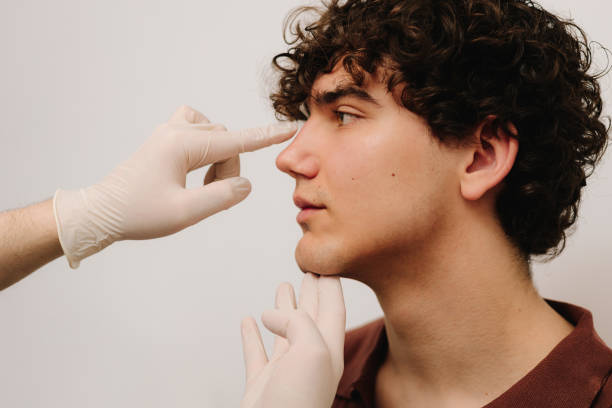
A short or upturned nose can influence the overall balance of facial features, particularly when the nasal tip appears raised or the nostrils are more visible from the front. Some people naturally have this nasal shape, while others notice changes in appearance after previous nasal surgery or as facial proportions become more apparent over time. Rhinoplasty in Abu Dhabi offers an option for individuals who want to explore changes to nasal shape, projection, or tip rotation. Depending on the existing nasal structure and personal goals, rhinoplasty may help create a more balanced appearance while preserving the natural character of the face.
What Is a Short or Upturned Nose?
A short nose generally has limited visible length from the bridge to the tip, while an upturned nose is characterized by a nasal tip that rotates upward. These features can occur together, making the nose appear shorter and causing more of the nostrils to be visible from the front or side.
The appearance of a short or upturned nose depends on several structural factors, including the length of the nasal bones, the shape of the cartilage, the position of the nasal tip, and the relationship between the nose and the upper lip. Understanding these characteristics is important when considering rhinoplasty because each nose has a different anatomical structure.
Can Rhinoplasty Correct a Short Nose?
Rhinoplasty may help improve the appearance of a short nose by adjusting its proportions and, in selected cases, increasing its apparent length. The approach depends on whether the short appearance is related to the nasal tip, the underlying cartilage, the bridge, or the overall relationship between the nose and surrounding facial features.
In some cases, carefully planned structural adjustments can help create greater nasal projection or a more elongated appearance. However, the extent of change depends on the available tissue, cartilage support, skin characteristics, and existing nasal anatomy.
The goal is not necessarily to make the nose significantly longer. Instead, rhinoplasty can aim to create proportions that complement the forehead, cheeks, lips, and chin.
How Does Rhinoplasty Improve an Upturned Nose?
An upturned nose often has a tip that rotates upward, making the nostrils more prominent in certain views. Rhinoplasty may address this concern by adjusting the rotation and support of the nasal tip.
The surgical approach depends on the underlying anatomy. In suitable cases, changes to the cartilage structure can help position the tip in a way that creates a more balanced angle between the nose and upper lip. Structural support is important because the nasal tip needs to maintain its position while healing.
The objective is to achieve a natural-looking result that reduces excessive upward rotation without making the nose appear droopy or disproportionate.
Can Rhinoplasty Reduce Excessive Nostril Visibility?
Visible nostrils are a common concern for people with an upturned or short nose. When the nasal tip rotates upward, the nostrils may be more noticeable from the front or side, affecting the overall appearance of the nose.
Rhinoplasty may help reduce this appearance when excessive nostril visibility is primarily related to tip rotation or the underlying nasal structure. Adjusting the tip position can change the way the nostrils appear in relation to the rest of the nose.
However, nostril visibility is also influenced by nostril shape, the position of the nasal base, and natural facial anatomy. Not every case can be corrected in the same way, so the underlying cause must be considered before planning treatment.
What Techniques May Be Used for a Short or Upturned Nose?
Rhinoplasty techniques vary according to the structural changes required. When a nose appears short because of limited tip projection or excessive rotation, the procedure may involve reshaping and repositioning cartilage to improve length and support.
In certain cases, cartilage grafting may be considered to provide additional structural support or help achieve the desired nasal proportions. The choice of technique depends on the individual’s anatomy, the amount of correction needed, and whether the nose has undergone previous surgery.
Because the nasal tip is a complex structure, changes must be planned carefully. Increasing apparent length or reducing upward rotation requires attention to both appearance and function, including maintaining an appropriate airway.
Is Rhinoplasty Suitable for Every Short or Upturned Nose?
Rhinoplasty is not equally suitable for every person with a short or upturned nose. The potential for improvement depends on the underlying cartilage structure, skin thickness, existing support, and the individual’s overall nasal proportions.
Some people may need only a subtle adjustment to the nasal tip, while others may require more complex structural changes. Previous rhinoplasty can make treatment more challenging because cartilage may have been altered or removed, and scar tissue may affect the available options.
A thorough assessment helps determine whether the desired changes are realistic and whether the procedure can preserve nasal stability and breathing function.
How Important Is Natural-Looking Nasal Proportion?
Natural-looking proportions are an important consideration when correcting a short or upturned nose. A nose that appears more balanced with the rest of the face may be a more appropriate goal than pursuing a particular length or tip angle.
The bridge, tip, nostrils, upper lip, and chin all contribute to the overall appearance of the face. Adjusting one feature without considering the others may create an unbalanced result.
Rhinoplasty planning therefore focuses on the relationship between different nasal structures and the surrounding facial features. The aim is to improve the specific concern while maintaining a nose that suits the individual’s facial identity.
How Long Does It Take to See Rhinoplasty Results?
Rhinoplasty results develop gradually as the nose heals. Although some changes in shape may be visible during the early recovery period, swelling can temporarily affect the appearance of the nasal bridge and tip.
The nasal tip may take longer to settle than other areas because it contains delicate cartilage and soft tissue. This is particularly relevant when correcting an upturned nose, as small changes in tip position can influence the overall result.
The final appearance becomes clearer as swelling decreases and the tissues stabilize. The timeline varies according to the complexity of the procedure, individual healing characteristics, and whether the nose has undergone previous surgery.
Can Rhinoplasty Preserve Breathing Function?
Preserving breathing function is an essential part of rhinoplasty planning. The nose provides an airway as well as contributing to facial appearance, so structural adjustments must account for both purposes.
When addressing a short or upturned nose, changes to cartilage support and tip position should be planned with attention to nasal airflow. Excessive alteration of the internal or external structures may affect function, which is why a balanced surgical approach is important.
The goal is to improve the nasal appearance without compromising the structural support required for comfortable breathing.
Final Thoughts
Rhinoplasty can be effective for improving the appearance of a short or upturned nose when the desired changes are achievable within the individual’s nasal anatomy. By adjusting tip rotation, projection, or structural support, the procedure may create a more balanced nasal profile and reduce excessive nostril visibility. The best approach depends on the underlying cause of the nasal shape, existing cartilage support, skin characteristics, and facial proportions. Careful planning is essential to achieve a natural-looking result while maintaining nasal stability and breathing function.
FAQs
Can rhinoplasty make a short nose look longer?
Yes, selected rhinoplasty techniques may improve apparent nasal length by adjusting tip projection and structural support.
Can rhinoplasty correct an upturned nasal tip?
Yes, rhinoplasty may reduce excessive upward rotation by adjusting the position and support of the nasal tip.
Can rhinoplasty reduce visible nostrils?
It may reduce nostril visibility when excessive tip rotation or nasal structure is the main contributing factor.
Will rhinoplasty results look natural?
Results can look natural when changes are planned around the individual’s facial proportions and existing nasal anatomy.
How long do rhinoplasty results take to settle?
The appearance improves as swelling decreases, but final nasal tip definition may take several months or longer to develop.