Acne-prone skin often requires thoughtful consideration when choosing facial hair-removal methods, particularly when unwanted hair is concentrated around areas such as the upper lip, chin, jawline, or cheeks. Laser hair removal offers a follicle-targeting approach that can reduce unwanted hair over time instead of repeatedly removing it from the skin’s surface. For people considering Laser Hair Removal in Abu Dhabi, understanding whether the treatment is suitable for acne-prone skin can help clarify how facial laser treatment works and what factors should be considered before beginning a treatment course.
How Laser Hair Removal Works on Acne-Prone Skin
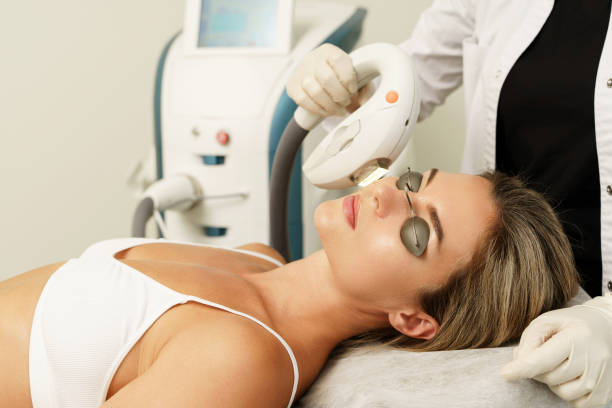
Laser hair removal uses concentrated light energy to target pigment within the hair follicle. The energy is absorbed by the hair and directed toward the follicle, where it is converted into heat and can interfere with future hair production.
Unlike shaving, which cuts hair at the surface, laser treatment focuses on the follicle beneath the skin. With repeated sessions, the targeted follicles can become less active, resulting in reduced hair density and slower regrowth.
For acne-prone skin, the important consideration is how the treatment area looks and feels at the time of the session. The condition of the skin, the presence of active blemishes, and the type of laser technology being used can all influence whether treatment should proceed as planned.
Is Laser Hair Removal Suitable for Acne-Prone Skin?
Laser hair removal may be suitable for many people with acne-prone skin, but suitability depends on the current condition of the skin and the specific area being treated. Acne-prone skin is not automatically unsuitable for laser hair removal.
A professional assessment can evaluate the skin and hair before treatment. This helps determine whether the selected laser technology and settings are appropriate for the individual’s skin tone, hair characteristics, and treatment goals.
The distinction between generally acne-prone skin and skin with active or particularly pronounced lesions is important. Treatment planning can take the current state of the skin into account rather than relying solely on a person’s history of acne.
Does Laser Hair Removal Affect Facial Hair Growth?
Laser hair removal is designed to reduce the ability of targeted follicles to produce hair. As the treatment course progresses, facial hair may become less dense, finer, and slower to regrow.
This can be useful for people who frequently remove facial hair through shaving or other temporary methods. Reducing the frequency of hair removal may make facial grooming more convenient.
Because acne-prone skin can be sensitive to frequent grooming routines, some people may consider longer-term hair reduction as an alternative to repeatedly managing visible facial hair. The main purpose of laser treatment, however, remains hair reduction rather than direct acne treatment.
Which Facial Areas Can Be Treated?
Laser hair removal may be considered for suitable external facial areas, including the upper lip, chin, jawline, cheeks, and neck. Acne can occur in several of these areas, so treatment planning should consider both the location of unwanted hair and the current condition of the skin.
Facial hair also varies from one region to another. The chin and jawline may contain thicker, darker hair, while the cheeks or upper lip may contain finer growth. Hair color, thickness, and density influence how effectively the laser can target each area.
Why Skin Condition Matters Before Treatment
The condition of the skin at the time of treatment is an important consideration. Acne-prone skin can change over time, with periods of clearer skin and periods of increased activity.
A professional evaluation allows the treatment area to be examined before laser exposure. This can help determine whether the selected area is appropriate for treatment at that time and whether the laser settings should be customized.
Skin tone and pigmentation are also relevant. Since laser energy interacts with pigment, the selected technology needs to be appropriate for the individual’s skin and hair characteristics.
Does Laser Hair Removal Work on Different Hair Types?
The response to laser treatment depends strongly on hair pigmentation. Darker, coarser facial hair generally provides a stronger target for laser energy because it contains more melanin.
Fine facial hair may be more challenging, particularly when it is lightly pigmented. Blonde, gray, and white hair can also be less responsive because they contain little pigment.
For acne-prone skin, evaluating the hair is just as important as evaluating the skin. The expected results depend on the combination of hair color, thickness, density, skin tone, and follicle characteristics.
Why Multiple Sessions Are Necessary
Hair follicles grow through different stages, and they are not all active simultaneously. Laser hair removal works most effectively when follicles are in a suitable active growth phase.
This means that a single treatment cannot target every follicle that may eventually produce facial hair. Multiple sessions allow additional follicles to be addressed as they enter a responsive stage.
Over time, repeated treatments can reduce the overall density of facial hair. Some remaining hair may become finer and slower to grow, making it less noticeable between treatments.
Can Reduced Hair Growth Simplify Facial Grooming?
One potential advantage of long-term facial hair reduction is that it can decrease the need for frequent grooming. Shaving and other temporary methods remove visible hair without changing the follicle’s natural growth cycle.
Laser treatment takes a different approach by targeting the follicle. As more follicles become less active, facial hair may take longer to become visible.
For people with acne-prone skin who frequently groom areas affected by unwanted hair, reducing the frequency of hair removal may make their overall facial-care routine simpler. However, individual results vary, and laser hair removal should not be considered a dedicated acne treatment.
What Role Does Skin Tone Play?
Skin tone is an important factor in laser hair removal because laser energy can interact with pigment in both the hair and surrounding skin. The appropriate technology and settings should therefore be selected according to the individual’s pigmentation.
Modern laser technologies can accommodate a broad range of skin tones when an appropriate treatment approach is used. A professional assessment can help determine which technology and settings are suitable for the combination of acne-prone skin and unwanted facial hair.
Can Acne-Prone Skin Achieve Long-Term Hair Reduction?
Yes, acne-prone skin can achieve long-term facial hair reduction when the treatment is appropriately selected and performed on suitable skin. Results typically develop gradually rather than immediately.
Repeated sessions may reduce hair density, slow regrowth, and make some remaining hairs finer. The degree of reduction depends on the person’s hair color, thickness, density, skin tone, growth cycle, and individual follicle response.
Hormonal influences can also affect facial hair growth, meaning that new growth may occur over time even after significant reduction.
Setting Realistic Expectations
Laser hair removal should be viewed primarily as a long-term hair-reduction treatment. It does not guarantee complete permanent removal of every facial hair, and it is not intended to cure acne.
For people with acne-prone skin, the most appropriate approach begins with an assessment of the current skin condition and hair characteristics. This allows treatment to be customized and helps establish realistic expectations about how much facial hair may be reduced.
When the skin and hair are suitable for treatment, laser hair removal can be a practical option for gradually reducing unwanted facial hair while potentially decreasing the need for frequent grooming.
Frequently Asked Questions
Is laser hair removal suitable for acne-prone skin?
It can be suitable for many people with acne-prone skin. Suitability depends on the current condition of the treatment area, skin tone, hair characteristics, and the laser technology and settings selected.
Can laser hair removal treat facial hair if I have acne-prone skin?
Yes, acne-prone skin does not automatically prevent facial laser hair removal. A professional assessment can determine whether the skin and hair are suitable for treatment at the time of the session.
Does laser hair removal treat acne?
No. Laser hair removal is specifically designed to reduce unwanted hair by targeting hair follicles. It should not be considered a treatment designed to manage or cure acne.
Does laser hair removal work on fine facial hair?
It can, provided the hair contains sufficient pigment. Very fine or lightly colored facial hair may be more difficult to target effectively than darker, coarser hair.
How many laser sessions are needed for facial hair reduction?
The number of sessions varies according to hair color, thickness, density, skin tone, growth cycle, and individual response. Multiple sessions are generally necessary because follicles grow through different stages.