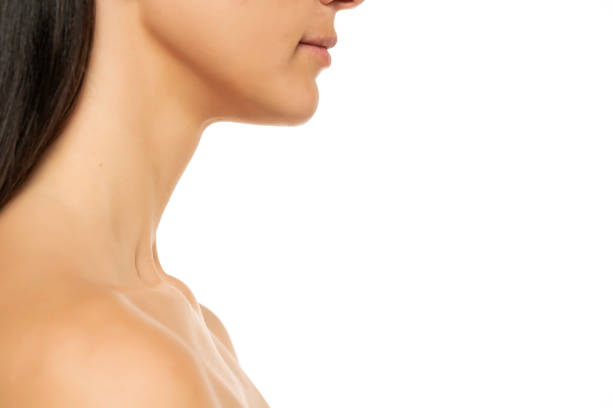
A well-defined jawline can enhance facial balance, highlight natural features, and create a more harmonious appearance. However, every face has a unique structure, and the ideal jawline varies depending on facial proportions, bone structure, skin elasticity, and the distribution of soft tissue. Jawline treatment offers different approaches to refining these features while preserving an individual’s natural appearance. For people considering Jawline Treatment in Abu Dhabi, understanding how these procedures can complement different face shapes is an important step toward making an informed decision. Whether someone has a round, oval, square, heart-shaped, or long face, the right treatment approach can help enhance definition and improve facial contours according to individual aesthetic goals.
Understanding the Connection Between Face Shape and Jawline
Face shape plays an important role in determining how the jawline contributes to overall facial appearance. The jaw forms the lower boundary of the face and influences the relationship between the cheeks, chin, and neck. Its width, angle, and prominence can affect whether the face appears rounded, angular, elongated, or tapered.
Some individuals naturally have a prominent jawbone, while others have softer contours because of their anatomy or the distribution of fat beneath the chin and along the lower cheeks. Changes in skin firmness can also influence how clearly the jawline is defined.
Jawline treatment is not designed to create the same result for everyone. Instead, its purpose is to address specific concerns while maintaining proportion between the lower face and other features. Understanding the existing facial structure helps determine which treatment approach may be suitable and what kind of improvement is realistic.
Is Jawline Treatment Suitable for Round Faces?
Round faces typically feature softer angles, fuller cheeks, and a relatively similar width across the forehead and cheek area. The jawline may appear less prominent when there is additional fullness around the lower cheeks or beneath the chin.
Jawline treatment may help suitable individuals achieve a more defined lower-face contour by addressing localized fat or improving the appearance of the jaw and neck transition. Reducing excess fullness in targeted areas can make the natural outline of the jaw more visible.
However, a round face does not automatically require a sharper or narrower jawline. The objective should be to create definition that complements the existing proportions. When facial fullness is primarily related to natural bone structure rather than excess fat, fat-reduction treatments may offer limited changes to the overall shape.
How Jawline Treatment Works for Oval Faces
Oval faces are generally characterized by balanced proportions, with the face appearing slightly longer than it is wide and the jaw gently tapering toward the chin. This face shape often has a naturally smooth transition between the cheeks and lower face.
For individuals with oval faces, jawline treatment may focus on enhancing existing definition rather than dramatically changing the facial outline. Localized fullness beneath the chin or reduced skin firmness along the jaw may make the lower face appear less distinct than desired.
Depending on the underlying concern, an appropriate treatment may help create a cleaner jawline and a more noticeable distinction between the chin and neck. Maintaining the natural softness of an oval face is often important because excessive angularity may create a less balanced appearance. A personalized approach can help preserve the face’s natural proportions while refining selected areas.
Can Jawline Treatment Complement Square Faces?
Square faces often feature a broad jaw, a relatively straight jawline, and more pronounced angles near the corners of the lower face. These characteristics are usually associated with the underlying bone structure and may contribute to a strong facial appearance.
Jawline treatment can be suitable for people with square faces, but the desired outcome depends on their individual preferences. Some may wish to emphasize the existing angularity, while others may prefer a smoother transition between the jaw and neck.
When excess fat beneath the chin is present, targeted fat reduction may help improve lower-face definition without changing the width of the jawbone. Treatments intended to refine facial contours can also be considered when the concern involves soft-tissue fullness rather than bone structure.
It is important to recognize that reducing localized fat does not necessarily make a naturally broad jaw narrower. The most appropriate approach focuses on the specific feature the individual wants to improve while preserving the natural character of the face.
Jawline Treatment for Heart-Shaped Faces
Heart-shaped faces generally feature a wider forehead and cheek area, with the lower face gradually narrowing toward a relatively pointed chin. Because the chin is often a defining feature, changes around the jawline can influence the overall balance of the face.
Individuals with this face shape may seek treatment to improve the definition of the lower face or address fullness beneath the chin. When localized fat obscures the jawline, suitable fat-reduction procedures may help reveal more of the existing contour.
The goal is usually to maintain a natural transition from the cheeks to the chin rather than introduce excessive width or sharpness. The chin’s shape and projection also influence how the jawline appears, so these features should be considered together when planning treatment.
A carefully tailored approach can help enhance definition without making the lower face appear disproportionately narrow or changing the distinctive proportions associated with a heart-shaped face.
Is Jawline Treatment Appropriate for Long Faces?
Long faces typically have a greater vertical length than width, often with a relatively elongated chin and lower facial region. The jawline may be angular, gently curved, or less prominent depending on the individual’s anatomy.
Jawline treatment may be appropriate when localized fat or reduced skin firmness affects the definition of the lower face. Addressing fullness beneath the chin can make the boundary between the jaw and neck clearer, potentially improving the side profile.
However, treatment should account for the face’s vertical proportions. Creating an excessively sharp or elongated appearance may not align with the individual’s aesthetic goals. The objective is to improve definition in a way that complements the existing structure rather than exaggerating facial length.
A professional assessment can help distinguish between concerns caused by soft tissue and those related to the underlying chin or jaw structure.
How to Choose the Right Jawline Treatment for Your Face Shape
Choosing a suitable jawline treatment involves more than identifying a face shape. Two people with round faces, for example, may have entirely different reasons for wanting greater definition. One may have localized fat beneath the chin, while the other may have naturally soft jaw angles or reduced skin elasticity.
The treatment approach should therefore be based on the specific concern, the desired degree of change, and the characteristics of the facial tissues. Non-surgical treatments may be appropriate for certain localized concerns, while surgical approaches may be considered when a more direct change is needed. Different techniques serve different purposes, and they should not be viewed as interchangeable.
A professional evaluation helps determine whether the main concern involves fat distribution, skin laxity, muscle prominence, or bone structure. It also provides an opportunity to discuss realistic expectations and understand how the selected procedure may affect the appearance of the jawline.
What Results Can You Expect From Jawline Treatment?
Results vary according to the treatment method, the individual’s anatomy, and the concern being addressed. Some people may notice a more defined boundary between the jaw and neck, while others may experience improved contour around the lower cheeks or chin.
Non-surgical treatments may produce gradual changes, depending on the technique used, whereas surgical procedures may offer a more direct approach to altering selected contours. The degree of visible improvement depends on the amount of localized fat, skin elasticity, and the natural structure of the jaw.
It is important to maintain realistic expectations because jawline treatment cannot change every aspect of facial shape. For example, fat reduction cannot significantly alter the width of the jawbone, and contouring procedures do not necessarily correct concerns related to the chin’s underlying structure.
The most successful approach is one that enhances natural facial proportions rather than attempting to reproduce a particular jawline seen on someone else.
Final Thoughts
Jawline treatment can be suitable for different face shapes, including round, oval, square, heart-shaped, and long faces. The key is selecting an approach that addresses the individual’s specific concerns while maintaining harmony between the jaw, chin, cheeks, and neck.
Because each face has a distinct combination of bone structure, soft tissue, and skin characteristics, there is no single treatment that works equally well for everyone. Understanding the source of reduced jawline definition helps establish realistic goals and identify an appropriate treatment strategy.
With a personalized assessment and careful consideration of facial proportions, jawline treatment may help refine contours, enhance definition, and support a natural-looking appearance that complements each individual’s unique features.
FAQs
Is jawline treatment suitable for all face shapes?
Yes, it may be suitable for different face shapes, but the treatment method should reflect individual anatomy and aesthetic goals.
Can jawline treatment make a round face look slimmer?
It may improve definition by reducing localized fullness in suitable individuals, although results depend on the underlying facial structure.
Does jawline treatment work for square faces?
Yes, it can address localized fat or soft-tissue concerns, but it generally cannot change the natural width of the jawbone.
How do I know which jawline treatment is right for me?
A professional assessment can identify whether fat distribution, skin firmness, muscle prominence, or bone structure contributes to your concern.
Can jawline treatment change my natural face shape?
It can refine selected contours, but the extent of change depends on the procedure and the individual’s existing facial anatomy.