Driving across the United States sounds exciting until the actual planning begins. A journey from New York to California, for example, can involve thousands of miles, multiple overnight stops, changing weather conditions, fuel expenses, and several days away from your regular responsibilities.
For some people, a cross-country road trip is an enjoyable experience. For others, especially those relocating for work, purchasing a vehicle from another state, or moving with family, spending days behind the wheel is not particularly practical.
This is where auto shipping becomes an alternative worth considering. Instead of driving the entire distance, vehicle owners can arrange professional transportation and focus on reaching their destination through their preferred travel arrangements.
But is shipping genuinely better than driving? The answer depends on your budget, schedule, vehicle, and reason for moving.
The Cross-Country Drive: What Are You Really Signing Up For?
A long-distance drive involves more preparation than filling the fuel tank and entering an address into a navigation application.
Consider someone moving from Miami, Florida, to Seattle, Washington. The journey covers a substantial distance and may require several days of driving.
During that time, the driver must manage:
- Fuel purchases across multiple states.
- Hotel reservations and overnight stops.
- Meals and other travel expenses.
- Vehicle maintenance and tire condition.
- Traffic congestion and construction delays.
- Physical fatigue from extended driving.
There is also the question of additional mileage. Putting thousands of miles on a vehicle increases wear and may accelerate maintenance requirements.
For someone already managing a household relocation, these responsibilities can become another source of stress.
Driving vs. Auto Shipping: A Practical Cost Comparison
The cheapest option is not always the one with the lowest initial expense.
Driving may appear economical because you avoid paying a transportation company. However, the complete travel budget includes several additional costs.
| Expense | Driving yourself | Professional shipping |
| Fuel | Customer pays | Usually not a separate customer expense |
| Accommodation | May be required | Not required for vehicle transit |
| Meals | Additional travel expense | No driving-related meal expense |
| Vehicle mileage | Thousands of additional miles | Minimal mileage added during loading and unloading |
| Personal time | Several days of driving | No need to drive the shipment route |
| Shipping fee | Not applicable | Depends on route and vehicle |
For example, someone shipping a sedan from Texas to Pennsylvania should compare the complete driving budget against the transportation quote.
Remember that professional shipping is not automatically cheaper. The right comparison includes the value of your time, vehicle wear, travel expenses, and personal convenience.
Five Situations Where Shipping Your Vehicle Makes More Sense
There are certain circumstances where arranging vehicle transportation becomes particularly useful.
- Relocating for a new job
Starting a new position often involves tight deadlines, household arrangements, and travel planning. Shipping your car separately allows you to concentrate on your move.
- Purchasing a vehicle from another state
Online dealerships and vehicle marketplaces have expanded purchasing opportunities. Buyers can find suitable vehicles outside their local area and arrange delivery without personally collecting them.
- Moving with children or elderly family members
A long road trip may be uncomfortable when traveling with young children or family members who prefer shorter journeys. Separating vehicle transportation from personal travel can simplify the move.
- Seasonal migration
Snowbirds who travel between northern states and warmer destinations such as Florida or Arizona may prefer shipping their vehicles rather than repeating lengthy drives every season.
- Transporting valuable automobiles
Owners of classic, exotic, or luxury vehicles may prefer enclosed transportation to reduce direct exposure to weather and road debris.
What Happens to Your Car During Professional Transportation?
One concern customers frequently have is understanding what actually happens after handing over their vehicle.
The transportation process generally follows several stages.
- Booking: You provide the vehicle details, pickup location, destination, and preferred dates.
- Carrier coordination: The shipping provider arranges suitable transportation based on the route and vehicle requirements.
- Pickup inspection: Existing vehicle damage is documented on the Bill of Lading.
- Loading: The carrier positions and secures the automobile using appropriate equipment.
- Transit: The vehicle travels toward its destination while the shipment coordinator provides available updates.
- Delivery: The customer inspects the vehicle and compares its condition with the original documentation.
Customers should photograph their vehicles before pickup and carefully review the delivery inspection report.
Insurance coverage should also be discussed before booking. Ask about the carrier’s applicable cargo insurance, coverage limits, and exclusions rather than assuming every shipment has identical protection.
Choosing the Right Shipping Method for Your Vehicle
Not every vehicle requires the same transportation arrangement.
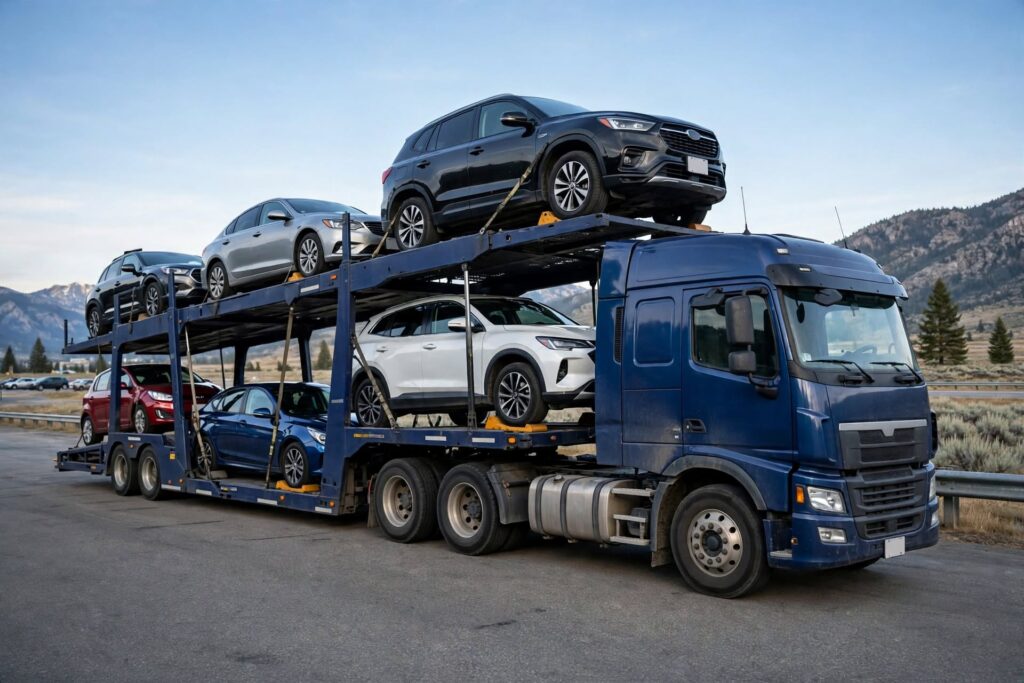
Open transport is commonly used for everyday sedans, SUVs, and pickup trucks. Vehicles travel on an exposed trailer, making this a popular option for standard vehicle shipments.
Enclosed transport places automobiles inside a covered trailer, offering additional protection from direct exposure to weather and road debris. It is frequently selected for collectible, luxury, exotic, and classic vehicles.
Your decision should consider:
- Vehicle value and condition.
- Required protection level.
- Transportation budget.
- Carrier availability.
- Pickup and delivery requirements.
Selecting the appropriate method is more important than choosing the most expensive service automatically.
How Rapid Auto Shipping Makes Long-Distance Moves Easier
When driving thousands of miles is not convenient, working with a transportation provider can help simplify the process.
Rapid Auto Shipping provides vehicle transportation services throughout all 50 states, helping customers arrange domestic vehicle movements according to their requirements.
Its services include:
- Open and enclosed auto transportation.
- Door-to-door shipping arrangements.
- Non-running vehicle transportation options.
- Free instant quotes.
- Real-time shipment updates.
- Fully insured transportation arrangements.
With more than 14 years of industry experience and a 98% customer satisfaction rate, Rapid Auto Shipping works with customers arranging interstate and long-distance vehicle shipments.
Whether you are relocating from California to Florida or purchasing a car from a dealership several states away, you can request a free instant quote to begin planning.
For assistance, contact Rapid Auto Shipping at +1 (833) 233-4447.
Final Thoughts: Let Your Vehicle Travel Without the Long Road Trip
Driving across America can be an unforgettable experience, but it is not always the most practical solution when relocating or purchasing a vehicle from another state.
Professional auto shipping offers an alternative that allows vehicle owners to separate personal travel from vehicle transportation. It can reduce driving-related expenses, avoid unnecessary mileage, and provide greater flexibility when coordinating a long-distance move.
Before making a decision, compare the complete cost of driving against shipping, evaluate the available transportation methods, and research the provider’s credentials and insurance arrangements.
With nationwide service options and flexible transportation solutions, Rapid Auto Shipping helps customers explore a more convenient way to move their vehicles across the United States.
Frequently Asked Questions
- Is auto shipping better than driving across the country?
It depends on your priorities. Shipping can save personal travel time and avoid adding thousands of miles to your vehicle. Driving may be preferable if you enjoy road trips or want to transport personal belongings yourself.
- How long does cross-country auto shipping take?
Many cross-country shipments take approximately 7–14 days. Actual delivery times depend on distance, weather, traffic, carrier availability, and scheduling.
- Is auto shipping expensive in the USA?
Pricing depends on the distance, vehicle size, transportation method, route demand, and pickup schedule. Requesting quotes helps establish a realistic budget.
- Can I ship a car that is not running?
Yes. Non-running vehicles can often be transported using specialized equipment, including winches. Inform the provider about the vehicle’s condition before booking.
- Should I remove personal belongings before shipping?
Yes. Remove valuables, documents, electronics, and loose belongings. Personal items may not be covered by the carrier’s insurance policy.
- How do I book auto shipping with Rapid Auto Shipping?
Visit Rapid Auto Shipping to request a free instant quote or call +1 (833) 233-4447. Share your vehicle information, pickup and delivery ZIP codes, and preferred transportation dates.