Thinning hair can gradually affect overall hair density, strand thickness, and the appearance of the scalp. As follicles become less active, individual strands may become finer, making the hair look less full even when many follicles remain present. PRP, or platelet-rich plasma, is a non-surgical approach designed to support existing hair follicles and encourage healthier-looking natural growth. For people considering Best PRP Hair Treatment in Abu Dhabi, understanding whether PRP is suitable for thinning hair is an important step before choosing a treatment. The answer depends on the cause of thinning, the condition of the follicles, scalp health, the stage of hair loss, and individual treatment goals.
Understanding Thinning Hair
Thinning hair does not always mean that follicles have completely disappeared. In many cases, follicles remain present but gradually become less productive, producing finer or shorter strands. This can reduce the overall appearance of density and make the scalp more noticeable.
Because PRP focuses on supporting existing follicles, this distinction is particularly important. When viable follicles remain, there may be an opportunity to encourage a healthier environment for natural hair growth.
Understanding the difference between thinning follicles and completely absent follicles can help establish realistic expectations about what PRP may accomplish.
How PRP Works for Thinning Hair
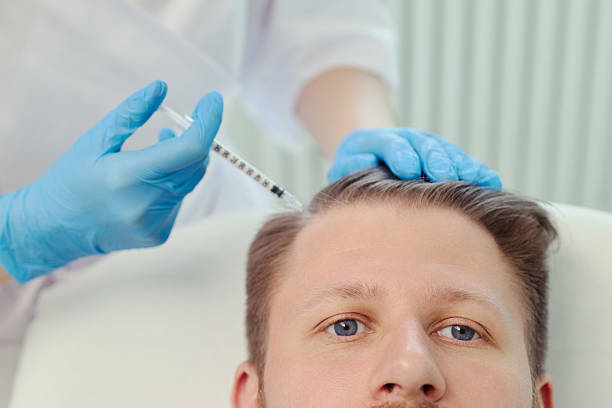
PRP treatment uses a small sample of the individual’s own blood. The sample is processed to concentrate platelets within the plasma. Platelets contain naturally occurring growth factors and signaling proteins involved in tissue repair and cellular communication.
The prepared plasma is then introduced into selected areas of the scalp. The purpose is to support the environment surrounding existing follicles and encourage natural follicular activity.
For thinning hair, this approach focuses on the follicles that are still present. Rather than adding artificial volume or physically replacing hair, PRP aims to support the individual’s own growth process.
Can PRP Improve Thinning Hair?
PRP may help improve the appearance of thinning hair when viable follicles remain active. Supporting these follicles may encourage healthier-looking strands and potentially contribute to improved density and fullness.
The potential improvement can involve changes in strand thickness, coverage, and overall hair quality. However, results vary because every person’s follicles respond differently.
PRP is not intended to create completely new follicles. Its primary purpose is to support follicles that remain capable of producing hair, making follicular condition an important factor when deciding whether treatment is appropriate.
Why the Cause of Thinning Matters
Hair thinning can develop for many reasons. Hereditary patterns, changes in the natural hair-growth cycle, hormonal influences, age-related changes, and other individual factors can affect follicular activity.
The underlying cause matters because PRP is designed to support existing follicles rather than address every possible source of hair loss directly.
A professional evaluation can help identify the pattern of thinning and determine whether the follicles are suitable for a follicle-supporting approach. This assessment can also help create realistic expectations about the potential outcome.
PRP and Hair Density
Hair density is closely connected to how full the scalp appears. When individual strands become thinner, the hair can look less dense even if a substantial number of follicles remain active.
By supporting existing follicles, PRP may potentially contribute to thicker-looking strands and improved coverage. As hair develops naturally, these changes may create a fuller overall appearance.
The treatment does not artificially increase the number of follicles. Instead, it focuses on helping viable follicles maintain or improve their natural activity.
Can PRP Improve Hair Thickness?
Strand thickness is an important part of healthy-looking hair. Fine strands can make thinning more noticeable, particularly around the parting, crown, or hairline.
PRP may support follicles that are producing finer hair, potentially encouraging stronger-looking strands as new growth develops. Improved strand thickness can contribute to a more substantial appearance even without creating additional follicles.
The extent of improvement depends on the condition of the follicles and the individual’s biological response to treatment.
The Importance of Existing Follicles
The presence of viable follicles is central to PRP treatment. Because the treatment works by supporting existing structures, follicles must remain capable of producing hair for PRP to have meaningful potential.
If follicles are still active but their performance has declined, PRP may help create a more supportive environment around them. If an area no longer contains functional follicles, PRP cannot simply recreate those structures.
This is why assessing the scalp and follicles before treatment is an important part of deciding whether PRP is right for thinning hair.
Is PRP Suitable for Early Thinning?
PRP may be considered when thinning is noticed relatively early and viable follicles remain. Early changes can sometimes involve gradual reductions in strand thickness rather than complete follicular loss.
Supporting existing follicles during this stage may be relevant for individuals who want to encourage healthier-looking natural growth. However, early treatment does not guarantee a specific result.
A professional assessment can help determine the extent of thinning and whether PRP aligns with the individual’s goals.
What Influences PRP Results?
Several factors can affect how thinning hair responds to PRP. The cause and duration of hair loss, follicular condition, scalp characteristics, age, genetics, general health, and individual biological response can all play a role.
Treatment protocols can also vary. PRP preparation, platelet concentration, application techniques, targeted areas, and treatment intervals may be adjusted according to individual needs.
Therefore, the best PRP treatment is not necessarily a standardized approach. A personalized treatment plan can be more appropriate because thinning hair can look similar while having different underlying causes.
How Long Does It Take to Improve Thinning Hair?
Hair growth occurs gradually, so PRP does not produce an instant increase in density. The treatment is designed to support biological processes around the follicles, and visible changes develop as hair progresses through its natural growth cycle.
Over time, improvements may become noticeable through changes in strand thickness, density, or overall fullness. The timing can vary between individuals depending on follicular activity and treatment response.
Understanding this gradual process is important when evaluating whether PRP is helping thinning hair.
Can PRP Restore Completely Lost Hair?
PRP is not designed to recreate follicles that are completely absent. Its main role is to support viable follicles that remain within thinning areas.
If thinning has progressed to the point where certain areas no longer contain functional follicles, PRP may have limited potential in those specific regions. This is different from areas where follicles are still present but producing finer strands.
Understanding this distinction helps people make informed decisions and develop realistic expectations about PRP.
Is PRP the Right Choice for Your Thinning Hair?
PRP may be an appropriate option for individuals who want to support existing follicles and encourage healthier-looking hair without undergoing a surgical procedure. It may be particularly relevant when thinning is gradual and viable follicles remain.
However, PRP should not automatically be considered the best choice for every person with thinning hair. The underlying cause, follicular condition, scalp health, and personal goals should all be evaluated.
A professional assessment can help determine whether PRP matches the individual’s situation and clarify what type of improvement may reasonably be expected.
Final Thoughts
Best PRP Hair Treatment may be right for thinning hair when viable follicles remain and the goal is to support natural hair growth. By focusing on the existing follicular environment, PRP may contribute to improvements in strand thickness, density, coverage, and overall fullness.
Its suitability depends on several factors, including the cause and stage of thinning, the condition of the follicles, scalp health, and individual response. PRP is not intended to create completely new follicles, so understanding the starting condition of the hair is essential.
For individuals seeking a non-surgical approach to thinning hair, PRP can be a valuable option when appropriately selected. A personalized assessment and realistic expectations can help determine whether supporting existing follicles with PRP is the right path toward healthier-looking, fuller hair.
FAQs
Is PRP good for thinning hair?
PRP may support existing follicles and improve the appearance of thinning hair when viable follicles remain active.
Can PRP make thin hair thicker?
It may support follicles that produce finer strands, potentially contributing to thicker-looking hair over time.
Does PRP increase hair density?
PRP may improve the appearance of density by supporting existing follicles and healthier-looking strand growth.
Can PRP restore completely lost hair?
No. PRP primarily supports existing viable follicles and does not create completely new follicular structures.
How do I know if PRP is right for my hair?
A professional assessment of the cause of thinning, scalp condition, and follicular activity can help determine whether PRP is suitable.