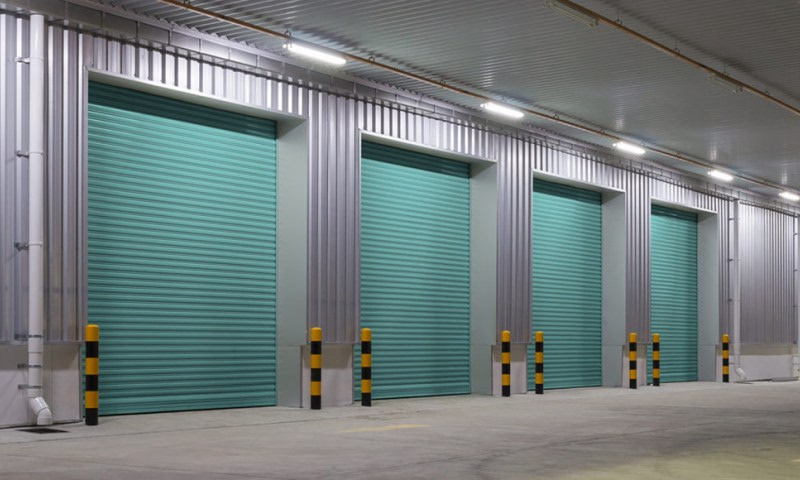
High-traffic commercial and industrial facilities require entry solutions that can provide reliable access while withstanding frequent use. Industrial roller doors offer a practical option for warehouses, factories, distribution centres, and other busy workplaces. Their vertical opening design helps conserve surrounding space while supporting smooth movement through frequently used entry points. Built from durable materials, industrial roller doors can accommodate demanding operating conditions and contribute to controlled access. Modern systems may also include insulation, automated controls, and advanced operating mechanisms. These features can support efficient entry management, practical space use, and dependable performance across busy commercial environments.
Materials and Modern Features Used in Industrial Rolling Doors
Industrial rolling doors are constructed with materials and engineering features intended to support dependable performance in demanding workplaces. Galvanised steel can provide substantial strength and resistance to corrosion, while aluminium offers a lighter option with useful durability characteristics. Insulated configurations may assist with temperature management where maintaining suitable indoor conditions is important. Automated mechanisms, including powered motors and remote controls, can simplify frequent operation and reduce manual effort. Safety features such as obstacle detection can also help monitor door movement and minimise potential operating hazards.
Additional features may include components designed to reduce operational noise and improve overall workplace conditions. The vertical opening arrangement further allows efficient use of surrounding space. Combining robust materials, automation, insulation, and safety technology enables industrial rolling doors to meet the varied access requirements of commercial and industrial facilities.
Operational Benefits across Commercial and Industrial Sites
Industrial rolling doors can provide a range of advantages for facilities where durability and efficient access are essential. Their robust construction allows them to withstand repeated opening and closing while remaining suitable for demanding workplace environments. Because the door curtain moves vertically, surrounding floor space can remain available for equipment, vehicles, storage, and other operational activities. Insulated models may also help regulate indoor temperatures and reduce the demand placed on heating or cooling systems.
Access control is another practical benefit, as reinforced construction and suitable locking features can help improve facility security. Automated systems can further simplify repeated entry and exit while supporting efficient workflows. Together, these characteristics make industrial rolling doors a useful combination of durability, space efficiency, security, and operational convenience.
Important Considerations When Selecting an Industrial Door
Selecting an industrial rolling door requires careful consideration of the environment and activities associated with the installation site. Material selection can depend on factors such as required strength, exposure to moisture, corrosion resistance, and insulation needs. The expected frequency of operation can also influence whether a manual or automated system is more appropriate. Safety equipment, including sensors, emergency release functions, and suitable control systems, should be evaluated according to the facility’s operating requirements.
Local environmental conditions may also affect the choice, particularly where doors are exposed to weather, temperature fluctuations, or elevated workplace noise. A professional assessment can help establish appropriate dimensions, materials, operating mechanisms, and safety features. Considering these factors together can support a door selection that balances performance, longevity, practicality, and installation costs.
Professional Installation Process for Industrial Rolling Doors
Professional installation of industrial rolling doors involves several stages to establish accurate positioning and dependable operation. The process generally starts with a site inspection to measure the opening, assess structural conditions, and determine suitable door specifications. Once these requirements are established, supporting components are securely positioned before the roller assembly and door curtain are installed. Automated systems may then require the fitting and configuration of motors, controls, and associated operating equipment.
Electrical work should be completed in accordance with applicable safety requirements, followed by comprehensive testing of the installed system. Functional checks can examine alignment, opening and closing movement, control responsiveness, and safety features. Accurate installation helps ensure reliable operation while supporting the door’s durability and performance under regular commercial or industrial use.
Maintaining Industrial Rolling Doors for Dependable Performance
Routine maintenance helps industrial rolling doors continue operating smoothly and reliably in demanding environments. Inspections can identify concerns such as worn rollers, damaged seals, track misalignment, or deterioration affecting moving components. Appropriate lubrication of relevant mechanisms can reduce friction and help minimise unnecessary wear, supporting smoother door movement over time.
Safety systems should also be checked regularly to confirm that features such as obstacle sensors and emergency release mechanisms function correctly. Cleaning tracks, door surfaces, and other accessible components can help prevent debris from interfering with operation. Professional servicing can address mechanical or electrical issues that require specialist attention, helping reduce unexpected interruptions and preserve the door system’s useful service life.
Safety Features of Industrial Rolling Doors
Safety features integrated into Industrial rolling doors prioritise the protection of both personnel and assets within industrial and commercial settings. Advanced sensor technology plays a significant role, detecting obstacles in the door’s path and halting movement to prevent accidents. Anti-drop mechanisms are often included to ensure the door remains securely in place even in the event of a component failure.
Additionally, modern designs may incorporate features such as wind load resistance and secure locking systems to enhance structural safety and security. Emergency stop functions and manual override systems provide essential control during unforeseen situations, ensuring operational safety. By adhering to rigorous safety standards, Industrial rolling doors help maintain a secure and efficient working environment while mitigating potential risks.
Understanding Industrial Roller Door Pricing
The cost of industrial rolling doors depends on several considerations, including their dimensions, construction materials, and selected features. Doors made with specialised materials or advanced insulation may involve greater initial expenditure. Additional elements such as automated operation, enhanced locking systems, or other security components can also increase the overall price. Installation requirements may further affect costs when a site requires structural modifications or customised fitting.
Regional market conditions and supplier availability can contribute to differences in pricing between locations. Businesses may also consider future maintenance requirements and potential energy savings when assessing the overall investment. Reviewing these factors can help facilities select roller doors that suit operational requirements while remaining within established budgets.
Locating Industrial Roller Doors Near Me for Facility Requirements
Access to industrial roller doors near me can make it easier for industrial facilities to arrange product consultations, site assessments, and installation services. Local suppliers may understand regional operating conditions and provide door solutions suited to particular commercial environments. On-site evaluations can assist with determining appropriate dimensions, materials, automation options, and other specifications before installation. Local sourcing may also simplify delivery arrangements and help coordinate installation within the facility’s operational schedule.
Ongoing servicing can be another advantage when suppliers operate within the surrounding area. Easier access to maintenance and repair support can help address operational issues and preserve reliable door performance. Industry directories, professional associations, and regional trade events can also assist facility operators in identifying suitable suppliers without unnecessarily complicating the procurement process.
Customising Industrial Rolling Doors for Different Applications
Industrial rolling doors can be configured to meet the structural, operational, and environmental demands of individual facilities. Steel and aluminium provide different combinations of strength, weight, durability, insulation, and corrosion resistance, allowing material selection to reflect the intended application. Door dimensions can also be produced to suit specific openings and building layouts. Additional options such as vision panels, specialist finishes, and other functional components may be incorporated where particular workplace requirements exist.
Automation and security features can further be selected according to traffic levels, access procedures, and workflow needs. Colour choices and protective coatings may provide visual consistency while offering additional resistance to environmental exposure, including moisture and ultraviolet radiation. This degree of customisation allows industrial rolling doors to provide a closer fit between practical requirements and facility conditions.
Emerging Technology in Industrial Roller Door Systems
Developments in industrial roller door technology continue to introduce improvements in automation, monitoring, and operational control. Wireless interfaces and advanced sensors can allow door systems to communicate with compatible building management technologies while making routine operation more convenient. Modern motor systems may also provide quieter movement and more controlled energy use, while improvements in construction materials can contribute to greater durability and security.
Some advanced systems can respond to environmental conditions such as wind exposure or temperature changes, helping adjust operation according to surrounding circumstances. Programmable opening speeds and scheduled activation can also coordinate door movement with established workplace routines. These developments support greater flexibility, safety, efficiency, and control across facilities where reliable automated access is required.
Assessing Industrial Rolling Doors against Other Entry Options
Industrial rolling doors use a vertical opening mechanism that distinguishes them from sectional, sliding, and other commercial entry systems. Their upward movement can preserve surrounding floor and wall space, which can be particularly useful in facilities where storage, vehicles, machinery, or other equipment occupy available areas. Robust construction also allows suitable rolling door systems to accommodate frequent operation and demanding industrial environments.
Depending on their configuration, rolling doors can provide additional characteristics such as insulation, controlled access, and security. Compatibility with automated mechanisms can further improve convenience and support efficient movement through busy entry points. These characteristics make industrial rolling doors a practical choice where space conservation, durability, and controlled access are key considerations.
Sustainability Considerations for Industrial Roller-Door Systems
Industrial roller-doors can contribute to more considered facility management through durable construction and energy-conscious design features. Insulated door configurations may help reduce heat transfer between indoor and outdoor environments, supporting more stable internal temperatures and potentially lowering the demand for heating or cooling equipment. Efficient operation can further contribute to responsible energy use when doors are opened and closed according to actual workplace requirements.
Some manufacturers may also incorporate recyclable materials or production practices intended to reduce environmental impact. Durable construction can extend the useful life of a door system, potentially reducing the need for frequent replacement and limiting material waste. These characteristics allow industrial roller-doors to support sustainability objectives while continuing to provide dependable access for commercial and industrial facilities.
Conclusion
Industrial roller doors can support secure and efficient access across busy Australian commercial and industrial environments. Their compact rolling construction allows large entry points to operate without requiring extensive surrounding space, while materials such as galvanised steel and aluminium provide options for different performance requirements. Insulation, automated controls, and safety mechanisms can further assist with temperature management and daily workflow. Suitable specification, professional installation, and scheduled servicing can help maintain dependable operation. Quality Industrial rolling doors therefore offer a practical combination of access control, durability, and workplace functionality.
FAQs
What materials can be selected for industrial roller doors?
Industrial roller doors are often manufactured using galvanised steel or aluminium, with each material offering different characteristics for commercial applications. Steel can provide substantial strength and resistance to demanding use, whereas aluminium is lighter and can offer useful corrosion resistance. The appropriate choice may depend on factors such as opening dimensions, exposure conditions, security requirements, operating frequency, and the overall environment in which the door will be installed.
Do insulated Industrial rolling doors help control indoor temperatures?
Insulated Industrial rolling doors can help limit heat transfer through commercial entry points by incorporating materials designed to provide greater thermal resistance. Reducing unwanted temperature exchange may lessen the demand placed on heating or cooling equipment inside a facility. Insulation can also provide some reduction in external noise transmission, which may contribute to more comfortable working conditions in warehouses, workshops, and other busy commercial spaces.
Which safety systems can be incorporated into Industrial rolling doors?
Industrial rolling doors can be equipped with various safety components intended to reduce risks during operation. These may include photo-electric sensors, obstacle detection, anti-drop devices, emergency stop controls, and manual release mechanisms. Depending on the system, obstruction detection can interrupt or reverse movement when an object is detected. Appropriate safety features can help protect employees, vehicles, stock, and equipment around frequently used commercial entrances.
What maintenance is recommended for Industrial rolling doors?
Regular maintenance can help preserve reliable operation and identify wear before it develops into a more significant fault. Servicing may involve examining tracks, guides, springs, motors, fasteners, and safety mechanisms, while moving components may require suitable lubrication. Testing automated controls and checking alignment can also be useful. A planned maintenance schedule can reduce unexpected interruptions, support operational safety, and help extend the functional service life of the door system.
| Related Business Listings |
| Contact Directory |
| Local Business Profiles |