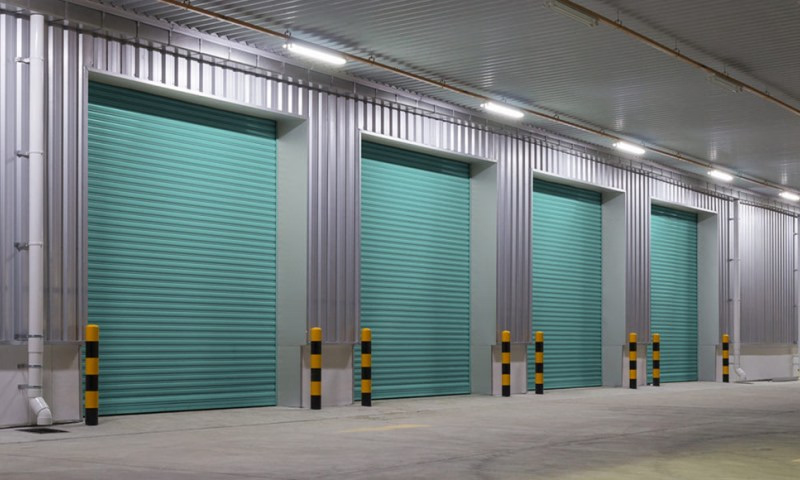
Industrial roller doors are essential in various industrial and commercial environments due to their practicality and robust design. These doors are engineered to provide seamless access while maintaining a secure barrier, making them suitable for facilities that require reliable, durable entry systems. Their vertical operation offers a space-efficient solution, ideal for areas where optimising room usage is critical. The versatility of industrial rolling doors allows them to be customised to suit diverse operational needs, whether for controlling temperature, enhancing security, or streamlining logistics. Constructed from durable materials such as steel and aluminium, they are designed to withstand demanding conditions and frequent use. Furthermore, their ability to integrate modern technology, such as automation and remote operation, makes them a practical choice for contemporary industrial applications, where efficiency and functionality are paramount for smooth day-to-day operations.
Key Features of Industrial Rolling Doors
Industrial rolling doors are designed with functionality and durability in mind, offering features that enhance their suitability for demanding environments. Constructed from robust materials such as steel or aluminium, they provide excellent resistance to external impacts and wear, ensuring reliable performance even under frequent use. Many designs include advanced locking systems that enhance security by deterring unauthorised access.
Additionally, some models incorporate thermal insulation, which can help regulate indoor temperatures and improve energy efficiency. The compact, space-saving design of these doors makes them particularly practical for industrial settings where optimising available space is essential. For added convenience, modern roller doors often integrate automation features, allowing for smooth and efficient operation.
Their adaptability to various applications and the availability of customisation options further underscore their importance in industrial and commercial facilities.
Benefits of Industrial Rolling Doors
Industrial rolling doors offer numerous practical advantages for industrial and commercial applications. Their robust construction ensures durability, enabling them to withstand heavy usage and challenging conditions over time. Designed to optimise space, their vertical opening mechanism eliminates the need for additional clearance, making them ideal for areas with limited space. Enhanced security features, such as advanced locking systems, help safeguard the premises against unauthorised access.
Thermal insulation is another significant benefit, helping regulate temperature and reduce energy consumption. This feature is particularly valuable in environments requiring consistent climate control. Additionally, the integration of automation options enhances operational efficiency, enabling seamless operations with minimal manual effort. The low-maintenance nature of industrial rolling doors further contributes to cost efficiency, making them a valuable addition to a wide range of facilities prioritising functionality and performance.
Types of Industrial Rolling Doors
Industrial rolling doors are available in a variety of designs to accommodate the specific requirements of different industrial and commercial settings. High-speed roller doors are particularly suited to environments where rapid access is essential, as they facilitate swift opening and closing to streamline operations. Insulated roller doors are designed to enhance thermal efficiency, helping to regulate internal temperatures and reduce energy consumption.
Fire-rated roller doors provide an added layer of safety by offering fire resistance for a specified period, making them suitable for facilities that prioritise fire safety. For applications requiring additional security, heavy-duty roller doors with reinforced construction are an ideal choice.
Additionally, perforated roller doors allow for ventilation and visibility without compromising on security. The availability of customisation options ensures that industrial rolling doors can be tailored to meet unique operational and aesthetic demands.
Installation Process of Industrial Rolling Doors
The installation of industrial rolling doors involves several crucial steps to ensure proper functionality and durability. Accurate measurement of the opening is essential to confirm the door’s fit and alignment. Preparing the site typically includes clearing obstructions and ensuring that the structure can support the door’s weight.
The assembly process involves securely attaching the door’s components, such as tracks, rollers, and brackets, and then mounting the door in place. Precision is required during the alignment to facilitate smooth operation and prevent future malfunctions. Advanced models with automation features may require specialised electrical wiring that must adhere to safety regulations.
Testing the door after installation ensures all mechanisms, including locking systems and automation features, are functioning correctly. Professional expertise is often preferred for complex installations to ensure compliance with safety and operational standards, thereby reducing potential risks.
Maintenance Tips for Industrial Rolling Doors
Routine maintenance of industrial rolling doors is crucial for preserving functionality and ensuring safety. Regular inspections should focus on identifying wear or damage to components such as springs, tracks, and rollers. Keeping these parts clean and free of debris is essential to prevent operational issues.
Applying appropriate lubricants to moving mechanisms reduces friction and ensures smooth performance. Any misalignment should be addressed promptly to avoid strain on the system. Scheduling periodic professional servicing can help identify hidden issues and maintain compliance with safety standards.
Additionally, testing safety features, such as sensors and emergency mechanisms, ensures their reliability. Adhering to these maintenance practices extends the lifespan of industrial rolling doors and minimises the likelihood of costly repairs.
Safety Considerations for Industrial Rolling Doors
Industrial rolling doors are equipped with various safety features designed to minimise risks and ensure secure operation. Essential components such as photoelectric sensors detect obstructions and halt movement to prevent accidents. Automatic reverse mechanisms enhance safety by retracting the door when it encounters resistance. Emergency release systems allow for manual operation during power outages or malfunctions.
Routine inspections of safety features are necessary to maintain their functionality, while compliance with workplace safety standards ensures a secure environment. Proper training in the use of industrial rolling doors further reduces the risk of misuse or accidents.
Additionally, integrating advanced safety technologies, such as motion detectors and warning signals, enhances the overall safety of industrial rolling doors in high-traffic environments.
Cost Factors of Industrial Rolling Doors
The cost of industrial rolling doors is influenced by several factors, including the materials used, the door’s size and design, and any additional features required. Heavier-duty materials such as galvanised steel or aluminium generally result in higher costs due to their durability and strength. Customisation, such as specialised finishes or insulation for thermal efficiency, can also impact pricing.
Advanced technology, such as automation or enhanced security systems, contributes to higher initial costs but may offer long-term operational benefits. Installation complexity can vary based on site conditions, affecting overall expenditure. Additionally, factors such as compliance with specific safety or environmental standards may influence the total cost of acquiring and installing industrial rolling doors.
Trends in Industrial Roller Door Technology
Advancements in technology are driving significant changes in the functionality and performance of industrial rolling doors. Smart automation systems now enable precise control and integration with wider building management systems, enhancing operational efficiency.
Features such as remote monitoring and diagnostics are becoming more prevalent, allowing for real-time performance tracking and predictive maintenance. Energy-efficient designs, combined with improved insulation technologies, support sustainability initiatives while reducing operational costs.
Additionally, innovations in materials, including lightweight yet durable composites, are expanding the range of applications for these doors. Enhanced security technologies, such as biometric access and advanced monitoring systems, are increasingly integrated to meet the growing demand for robust, reliable solutions in industrial and commercial environments.
Industrial Rolling Doors and Environmental Impact
Industrial rolling doors are increasingly incorporating environmentally friendly features to align with sustainability priorities in industrial settings. Insulated designs play a significant role in minimising heat transfer, contributing to energy efficiency and reducing operational costs associated with temperature regulation. The use of recyclable and sustainable materials, such as aluminium and steel, further supports eco-conscious construction practices. Additionally, advanced sealing mechanisms are utilised to prevent air leakage, optimising thermal performance.
These developments not only address environmental concerns but also align with regulations aimed at reducing carbon emissions. By integrating energy-saving technology and durable materials, industrial rolling doors are designed to support long-term sustainability goals, while maintaining the performance and functionality required in high-demand applications.
Choosing the Right Industrial Roller Doors near Me
Selecting suitable industrial roller doors near me involves evaluating factors such as the facility’s operational demands, required durability, and environmental conditions. The size of the opening, insulation needs, and desired security features are also critical aspects to assess. It is beneficial to explore available designs and specifications to ensure compatibility with the intended application.
Consulting experienced professionals during the selection process can provide technical insight into appropriate materials and configurations. The availability of local services, including installation and maintenance, may influence the decision, ensuring that the chosen doors meet both functional requirements and industry standards.
Future of Industrial Rolling Doors
The evolution of industrial rolling doors is expected to centre on technological integration and sustainability. Developments in automation may lead to smarter, self-regulating systems that optimise performance and reduce downtime. Enhanced materials that combine lightweight properties with superior durability could expand application possibilities while minimising environmental impact. The incorporation of AI technology may enable predictive maintenance, improving operational efficiency and cost-effectiveness.
Furthermore, the integration of renewable energy sources, such as solar-powered mechanisms, could align with eco-friendly objectives. As industries adapt to changing demands, future roller doors are likely to prioritise advanced functionality, sustainability, and improved customisation to meet diverse operational requirements.
Conclusion
Industrial roller doors are essential assets for modern commercial and industrial facilities across Australia, delivering an optimal balance of security, durability, and operational efficiency. Their vertical, space-saving design, combined with robust materials like steel and aluminium, enables seamless access while protecting premises against external threats and environmental challenges. From thermal insulation and rapid operation to automated integration and advanced safety systems, these doors streamline daily logistics and support energy management. As technology and eco-friendly practices continue to evolve, industrial rolling doors remain a reliable, adaptable, and long-term investment for optimizing facility performance, workplace safety, and overall structural integrity.
FAQs
What are the main benefits of installing industrial roller doors?
Industrial roller doors deliver exceptional security, space-saving vertical operation, and long-lasting structural durability. Constructed from robust steel or aluminium, they protect commercial facilities against unauthorised entry and severe weather. Many modern models also feature thermal insulation and automation options, which significantly enhance indoor temperature regulation, reduce ongoing energy costs, and streamline day-to-day workplace logistics across Australian industrial sites.
How do insulated roller doors improve energy efficiency for facilities?
Insulated industrial rolling doors incorporate specialised core materials and tight peripheral seals to minimise heat transfer between indoor and outdoor environments. By maintaining consistent internal temperatures, these doors reduce the load on climate control systems. This improved thermal performance leads to substantial reductions in energy consumption, lower utility expenses, and a reduced carbon footprint for commercial properties.
What routine maintenance is required for industrial rolling doors?
Routine maintenance involves regularly inspecting vital components like springs, tracks, rollers, and sensors for wear or damage. Keeping moving parts clean, debris-free, and properly lubricated minimizes friction and operational strain. Promptly correcting misalignments and scheduling periodic professional servicing ensures compliance with Australian safety standards, prevents costly structural breakdowns, and significantly extends the total operational lifespan of the door system.
Which key safety features are included in modern industrial rolling doors?
Modern industrial rolling doors are equipped with advanced safety mechanisms to protect personnel and equipment. Standard features include photoelectric sensors that detect obstacles, automatic reverse mechanisms that immediately retract the door upon sensing resistance, and manual emergency release systems for power outages. Integrating motion detectors and warning signals further minimises workplace accidents in high-traffic operational environments.
What factors influence the total cost of industrial rolling doors?
The overall cost depends on material selection, door size, customisation options, and structural design complexity. Heavy-duty galvanised steel, thermal insulation, fire ratings, and specialised finishes increase initial material costs. Additionally, integrating advanced automation features, biometric access systems, or smart controls impacts pricing, though these smart investments frequently yield significant long-term operational efficiency and enhanced facility security.
| Related Business Listings |
| Contact Directory |
| Local Business Profiles |