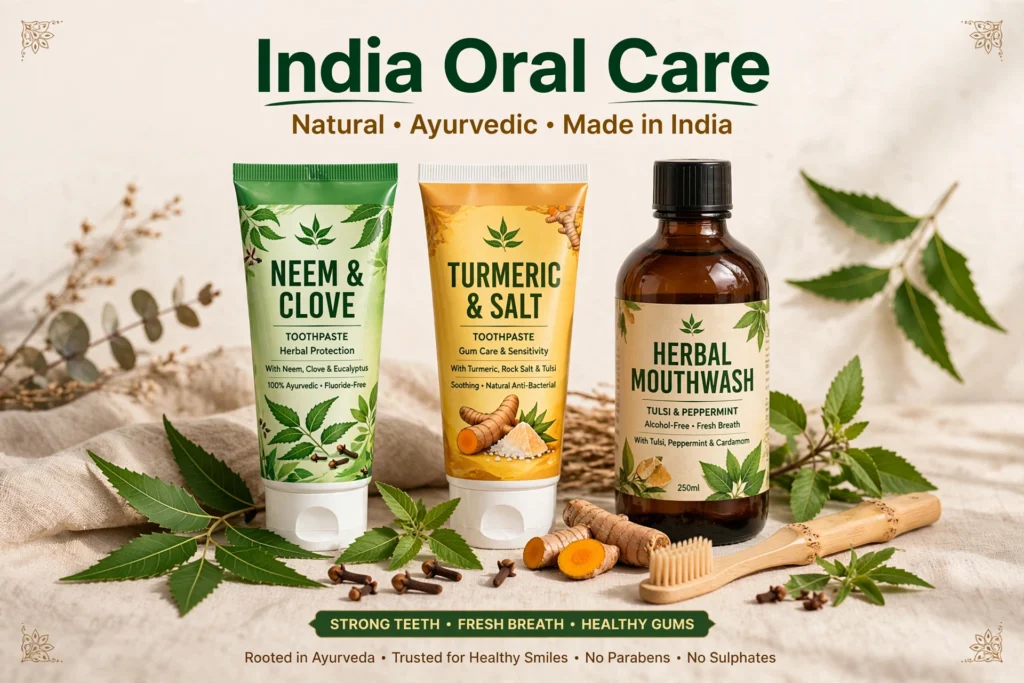
The Indian oral care sector is undergoing a rapid evolution, maturing from basic, functional hygiene routines into a multifaceted, health-driven wellness market. Driven by escalating public health awareness, rising middle-class disposable incomes, urban premiumization, and deep rural market penetration, the industry represents one of the most dynamic FMCG segments in South Asia.
According to market metrics by Renub Research, the India Oral Care Market is projected to grow from an estimated value of US$ 1.23 billion in 2025 to US$ 1.82 billion by 2034, expanding at a steady Compound Annual Growth Rate (CAGR) of 4.45% during the forecast period from 2026 to 2034.
Executive Market Summary & Strategic Overview
Traditionally anchored by basic toothpaste formulations and manual toothbrushes, Indian consumer behavior is shifting toward comprehensive preventive dental care, specialized sensitivity management, clean label/herbal formulations, and smart oral technology.
┌────────────────────────────────────────────────────────────────────────┐
│                    INDIA ORAL CARE MARKET METRICS                      │
├────────────────────────────────┬───────────────────────────────────────┤
│ Base Year Estimated Valuation  │ US$ 1.23 Billion (2025)               │
│ Forecast Target Valuation      │ US$ 1.82 Billion (2034)               │
│ Compound Annual Growth (CAGR)  │ 4.45% (2026–2034)                     │
│ Core Product Categories        │ Toothpaste, Toothbrushes, Mouthwash,   │
│                                │ Dental Accessories, Denture Care      │
│ Dominant Consumer Trends       │ Ayurvedic/Herbal, Smart Tech,         │
│                                │ Sensitivity Relief, Clean-Label       │
└────────────────────────────────┴───────────────────────────────────────┘
Key Industry Growth Drivers
1. Rising Public Health Awareness and Preventive Dentistry
Historically, dental care in India was reactive—consumers visited dentists primarily for severe pain or extractions. Today, public health initiatives, school educational campaigns, and digital media have pivoted consumer mindsets toward proactive, daily preventive care.
This behavioral shift has significantly boosted consumer demand for secondary and tertiary oral care products, including anti-bacterial mouthwashes, dental floss, interdental brushes, and tongue cleansers alongside daily brushing.
2. Deep Expansion into Rural Markets via Sachetization and Infrastructure
While urban centers drive premiumization, rural India remains the primary volume driver. Leading FMCG brands are accelerating rural penetration through targeted strategies:
-
Micro-Packaging & Sachetization: Introduction of low-unit-price (LUP) sachets (₹5 to ₹10 price points) lowers adoption barriers for low-income rural households transitioning from traditional twig-based (Neem/Babool) or raw tooth-powder routines to branded toothpastes.
-
Expanded Distribution Networks: Rapid road infrastructure development, localized kirana store partnerships, and micro-distribution channels ensure high product placement across tier-4 towns and remote villages.
3. Surge in Demand for Herbal, Ayurvedic, and Clean-Label Formulations
Indian consumers retain a strong affinity for traditional natural remedies. This cultural trust has catalyzed a massive movement toward Ayurvedic, herbal, and chemical-free oral care solutions:
-
Ingredients like Neem, Clove (Laung), Charcoal, Tulsi, and Babool are widely sought after for their natural anti-bacterial, anti-inflammatory, and whitening benefits.
-
Consumer concern over synthetic additives (SLS, parabens, triclosan, and artificial peroxides) has created a surging market for clean-label, toxin-free oral care products.
4. Smart Tech Integration and Digital Health Innovation
Technology adoption among urban millennials and Gen Z consumers is propelling the high-margin smart oral care segment. Recent marketplace developments illustrate this trend:
-
July 2025: Navi Mumbai-based innovator Oracura launched an app-connected smart toothbrush designed to transform daily brushing into a data-driven health routine. The device provides real-time feedback on brushing habits, pressure warnings, and coverage tracking to prevent plaque buildup and periodontal disease.
-
September 2025: Clove Oral Care unveiled a new dentist-formulated line of clean-label toothpastes and ergonomic DuPont Tynex bristle toothbrushes tailored specifically for sensitivity relief, enamel erosion, and pediatric dental maintenance without harsh chemicals.
Market Restraints and Operational Challenges
1. High Price Sensitivity in Low-Income Segments
A substantial portion of the population remains highly price-sensitive. In rural areas, unbranded alternatives or traditional natural raw materials (like salt or ash) continue to compete with branded packaged goods, restricting margins for entry-level toothpaste and manual toothbrush lines.
2. Regional Disparities in Awareness and Infrastructure
Despite nationwide progress, a severe urban-rural divide remains regarding advanced oral care awareness. While urban centers readily adopt electric toothbrushes, dental aligners, and whitening kits, rural regions often lack basic oral health literacy and specialized dental clinics, constraining overall category expansion.
Detailed Market Segmentation
By Product Class
-
Toothpaste: Holds the dominant market share, spanning multiple specialized variants (Herbal/Ayurvedic, Sensitivity Relief, Enamel Protection, Whitening, and Kids’ Fluoride-Free Gels).
-
Toothbrushes & Accessories: Incorporates manual soft/ultra-soft toothbrushes and high-growth electric/battery-powered sonic toothbrushes.
-
Mouthwash & Dental Rinses: Experiencing steady growth due to increasing awareness of interdental plaque control and halitosis management.
-
Dental Accessories & Ancillaries: Includes dental floss, interdental brushes, tongue scrapers, and fresh breath sprays.
-
Denture Care & Cleaning Solutions: A specialized segment expanding in step with India’s aging demographic profile.
┌────────────────────────────────────────────────────────────────────────┐
│                   MARKET SEGMENTATION BREAKDOWN                        │
├───────────────────┬────────────────────────────────────────────────────┤
│ Product           │ • Toothpaste (Herbal, Sensitivity, Whitening)      │
│ Categories        │ • Toothbrushes (Manual, Battery, Smart Electric)   │
│                   │ • Mouthwash & Oral Rinses                          │
│                   │ • Dental Accessories & Denture Care               │
├───────────────────┼────────────────────────────────────────────────────┤
│ Distribution      │ • Kirana & Convenience Stores (Volume Leader)      │
│ Channels          │ • Supermarkets & Hypermarkets                      │
│                   │ • Pharmacies & Chemist Outlets                     │
│                   │ • E-Commerce & Quick-Commerce (Fastest Growing)    │
├───────────────────┼────────────────────────────────────────────────────┤
│ Target Application│ • Adults (Primary Market Share)                    │
│                   │ • Kids & Infants (High-Growth Niche)               │
└───────────────────┴────────────────────────────────────────────────────┘
By Distribution Channel
-
Convenience & Local Kirana Stores: Serve as the backbone of volume distribution across rural, semi-urban, and suburban India.
-
Supermarkets & Hypermarkets: Key sales channels for multi-packs, family bundles, and premium modern oral care brands in Tier-1 and Tier-2 cities.
-
Pharmacies & Chemists: Primary point of sale for specialized, medicated, and dentist-recommended formulations (e.g., anti-sensitivity, post-procedure, and periodontic products).
-
E-Commerce & Quick-Commerce: Experiencing high growth driven by platforms like Blinkit, Zepto, Swiggy Instamart, and Amazon India, providing rapid delivery of niche, organic, and smart oral care devices directly to urban homes.
Top State-Level Market Dynamics
-
Maharashtra: Represents the largest state market, supported by massive urban centers like Mumbai and Pune. High disposable incomes drive demand for premium electric toothbrushes, whitening kits, and smart oral care.
-
Tamil Nadu: Characterized by strong health literacy and balanced consumer demand for both scientifically backed pharmaceutical oral solutions and traditional herbal formulations.
-
West Bengal: Demonstrates steady growth with a rapid rise in rural product uptake, supported by widespread distribution networks connecting Kolkata to suburban districts.
-
Uttar Pradesh: The most populous regional market, offering immense volume growth potential. Demand is driven by low-unit-price sachets, affordable manual toothbrushes, and expanding brand awareness in semi-urban centers.
Major Key Players in the Indian Landscape
-
Colgate-Palmolive India Limited – The undisputed market leader with extensive brand penetration spanning traditional, herbal, and specialized dental segments.
-
Hindustan Unilever Limited (HUL) – A major contender leveraging deep distribution networks for leading brands like Close-Up and Pepsodent.
-
Dabur India Ltd. – A dominant force in the herbal and Ayurvedic segment with flagship products like Dabur Red Paste and Dabur Babool.
-
Patanjali Ayurved Limited – Prominent player in the natural segment, driving widespread consumer adoption of Ayurvedic toothpastes like Dant Kanti.
-
Procter & Gamble Hygiene & Health Care – Key player in the manual and battery-operated toothbrush category through its Oral-B portfolio.
-
GlaxoSmithKline (GSK) Consumer Healthcare / Haleon – Market leader in the medicated anti-sensitivity category with its flagship Sensodyne brand.
-
The Himalaya Drug Company – Specialized manufacturer offering natural, chemical-free, and herbal oral care products.
-
Johnson & Johnson Private Limited – Drives prescription and retail mouthwash sales primarily through the Listerine brand.
-
Philips India Limited – Key provider in the premium sonic electric toothbrush and personal care tech market.
Frequently Asked Questions (FAQs)
1. What is the projected size of the India Oral Care Market by 2034?
According to Renub Research, the market is expected to reach US$ 1.82 billion by 2034, growing from US$ 1.23 billion in 2025 at a CAGR of 4.45% from 2026 to 2034.
2. Which product segment holds the highest volume in India?
Toothpaste remains the largest product category, accounting for the vast majority of volume and value sales across both urban and rural demographics.
3. What is driving the growth of Ayurvedic and herbal oral care products in India?
Growth is fueled by strong cultural alignment with natural remedies, rising health consciousness, and consumer desire to avoid synthetic chemicals like SLS, parabens, and artificial preservatives.
4. How are companies expanding their reach in rural India?
Companies are deploying low-unit-price (LUP) sachets (₹5–₹10 price points), expanding local distributor networks, localized regional branding, and rural health awareness programs.
5. What role is quick-commerce playing in urban oral care sales?
Quick-commerce platforms (such as Blinkit, Zepto, and Instamart) are accelerating impulse and repeat purchases of daily essentials, premium toothpastes, mouthwashes, and specialized oral care accessories in urban centers.
6. What state represents one of the largest consumer bases in India?
Maharashtra stands as one of the most lucrative regional markets due to its high urbanization rate, high average disposable income, and strong adoption of premium oral care products.
7. What are smart toothbrushes, and why are they gaining popularity?
Smart toothbrushes feature app connectivity and sensors to deliver real-time feedback on brushing pressure, time, and coverage, appealing to tech-savvy urban consumers focused on preventive health.