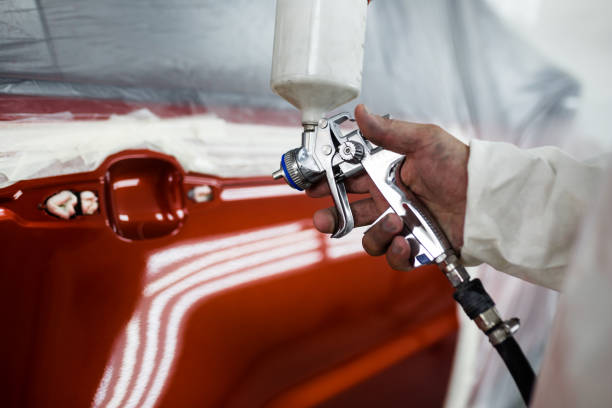
Man with protective clothes and mask painting car using spray compressor.
A fresh coat of paint can change how a car looks, feels and holds its value, yet many owners rush into the job without a plan. Auto painting in Santee CA takes more than picking a color, because sun, dust and daily traffic all test the finish. The team at Audiolux has seen how preparation decides whether a paint job survives or peels. This guide walks you through each stage so you arrive informed, calm and ready to get a finish you are proud of.
Understand What Your Car Actually Needs
Check the Current Paint Condition
Walk around the car in daylight and look closely at every panel. Faded clear coat, chalky patches, bubbling near edges and hairline cracks all point to different problems. Surface fading can often be corrected with prep work, while rust under the paint needs repair before any color goes on. Taking a few photos gives you a clear record to share with the shop and keeps the conversation specific.
Decide Between a Touch Up and a Full Repaint
A touch up suits small chips and isolated scratches, and it costs far less than a full repaint. A complete repaint makes sense when the finish is peeling, mismatched or sun damaged across many panels. Painters with real hands-on experience will tell you honestly which route fits your budget, so listen when they recommend the smaller job. A good shop never pushes more work than the car needs.
Gather the Right Information Before You Book
Ask About Materials and Paint Systems
Not every product performs the same way. Ask which primer, base coat and clear coat the shop uses, and whether the system is built for strong sunlight, since heat is a daily factor for drivers around Santee. Quality auto painting in Santee CA depends on materials that resist fading and chalking, so a shop that can explain its products clearly is usually one you can trust.
Compare Written Estimates Carefully
Request itemized estimates in writing from at least two shops. Look at what is included, such as sanding, body repair, masking, paint and clear coat, rather than only the final number. A very low quote often skips steps that matter later. Comparing line by line shows you where the real value sits and prevents surprise charges once the work has started.
Confirm the Timeline and Warranty
Ask how many days the car will be in the shop and what happens if the schedule slips. Also find out what the warranty covers, whether it includes peeling, fading and bubbling, and for how long. Get these answers in writing. A confident shop will gladly put its promises on paper, and that clarity protects you if something looks wrong months later.
Get Your Vehicle Ready for the Shop
Clean and Empty the Car
Remove personal items, floor mats and any accessories attached to the exterior, such as roof racks or decals you want to keep. Give the vehicle a basic wash so the technician can inspect the body without dirt hiding flaws. A clean start also makes the walkaround at drop off easier, since both of you can see every panel clearly.
Note Existing Dents and Scratches
Point out every dent, ding and scratch before leaving the car, and ask the shop to record them on the work order. Mention areas you want repaired as part of the job and areas you want left alone. This simple step avoids confusion at pickup and shows the team exactly what you expect, which keeps the final result in line with your goals.
What Happens During the Painting Process
Surface Preparation and Sanding
Most of the quality in a paint job is hidden in the prep. Technicians sand the old finish, repair damage, clean away oils and mask trim, glass and lights. Skipping or rushing this stage is the leading reason paint fails early. If you get a chance to ask, request a quick explanation of how the shop prepares each panel, because their answer reveals how careful they are.
Primer, Base Coat and Clear Coat
Primer helps the color bond and smooths tiny imperfections. The base coat provides the color, applied in thin even layers, and the clear coat adds gloss and protection against UV rays and road debris. Each layer needs proper flash time before the next goes on. Patience in the booth is what produces a deep, even shine that matches the rest of the car.
Protect the Finish After You Drive Away
Respect the Curing Window
Fresh paint looks dry long before it has fully hardened. Ask the shop how long to avoid washing, waxing or parking under trees, since sap and bird droppings can mark a soft surface. Most finishes need several weeks to cure completely. Treat the car gently during that period, and the paint will reward you with a harder, longer lasting shine.
Build a Simple Care Routine
After the curing period, wash the car regularly with a gentle soap and a soft mitt, and dry it with a clean microfiber towel. Park in shade when possible, since even good auto painting in Santee CA still faces strong sun year round. Adding wax or a ceramic sealant every few months gives the clear coat extra protection and keeps the color looking fresh.
Final Thoughts
Getting great paint results comes down to preparation, honest questions and patience at every stage. Know what your car needs, compare estimates carefully, ready the vehicle and care for the finish afterward. When you follow these steps, Auto painting in Santee CA becomes a smooth experience instead of a stressful one, and your car rewards you with a finish that turns heads for years.
Frequently Asked Questions
How long does a full repaint usually take?
Most full repaints take between several days and two weeks, depending on the amount of bodywork and the paint system used. Rushing the process hurts the result, so ask for a realistic schedule and a clear update if anything changes along the way.
Can I wash my car right after it is painted?
It is best to wait until the shop confirms the paint has cured, which often takes several weeks. Washing too early with brushes or harsh soap can leave marks on a soft surface. Until then, a gentle rinse with plain water is usually the safest option.
Is a touch up enough for small scratches?
For light scratches and tiny chips, a touch up or spot repair is often enough and costs far less than repainting. Deep scratches that reach the metal need proper repair first. A technician can check the damage and tell you which option protects the panel best.
How do I keep paint from fading in strong sun?
Choose a quality clear coat, park in shade when you can and wash the car regularly to remove grime that dulls the surface. Applying wax or a ceramic sealant every few months adds a protective layer. These small habits slow fading and keep the shine consistent.