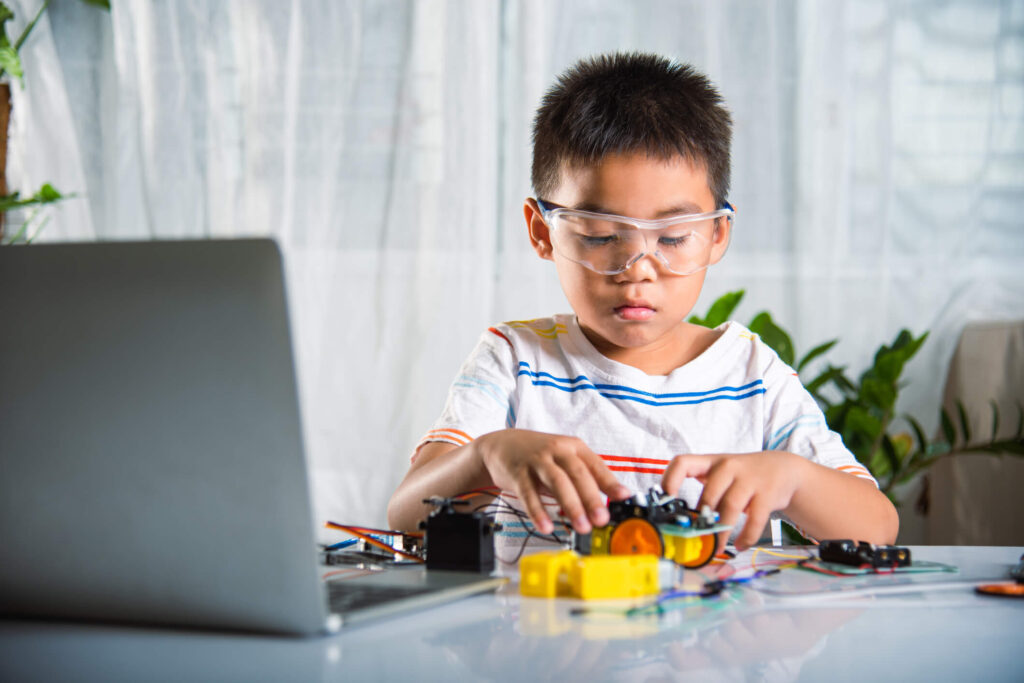
As technology becomes an essential part of everyday life, more parents are looking for ways to prepare their children for the future. Robotics is one of the most effective ways to introduce kids to Science, Technology, Engineering, and Mathematics (STEM) while making learning exciting and interactive. From building simple robots to programming intelligent machines, robotics helps children develop creativity, logical thinking, and confidence that extends far beyond the classroom.
With so many online learning platforms available today, choosing the right online robotics course for kids can feel overwhelming. Every program promises excellent results, but not all courses are designed for different age groups or learning levels. A course that’s perfect for a 7-year-old beginner may not challenge a 14-year-old with coding experience.
This guide will help parents understand how to choose an online robotics course based on their child’s age, skill level, and learning goals. You’ll also discover why Learnerbit has become one of the most trusted online STEM learning platforms for children aged 6–16.
Why Choosing the Right Robotics Course Matters
Every child learns differently. Some children are naturally curious about technology, while others need engaging activities that gradually build their confidence. Selecting a course that matches your child’s current abilities helps them enjoy learning instead of feeling frustrated or overwhelmed.
An age-appropriate robotics course introduces concepts step by step, allowing children to build a strong foundation before moving on to advanced topics. This approach keeps students motivated and encourages continuous improvement.
When children enjoy learning, they are far more likely to remain interested in STEM subjects throughout their academic journey.
Benefits of Learning Robotics Online
Online robotics education offers flexibility and convenience while maintaining high educational quality. Children can attend live classes from home, interact with experienced mentors, and participate in engaging projects without the need for travel.
Modern online courses combine live instruction, hands-on activities, coding exercises, and collaborative learning. This interactive environment helps students stay engaged while developing valuable technical and life skills.
Parents also appreciate the flexibility of scheduling classes around school and other extracurricular activities.
Understanding Your Child’s Age and Learning Stage
Before enrolling your child, consider both their age and their previous experience with technology. A course should challenge children enough to keep them interested without making learning feel difficult.
The best robotics programs divide students into different learning pathways, ensuring every child receives lessons suited to their developmental stage.
Best Robotics Courses for Children Ages 6–8
Children between six and eight years old are naturally curious and enjoy learning through games and creativity.
At this stage, the focus should be on introducing basic robotics concepts through colorful visual activities, storytelling, and beginner-friendly coding. Scratch coding classes for kids are an excellent starting point because they use drag-and-drop programming blocks that help children understand sequencing and logical thinking without complicated syntax.
Simple robotics projects help young learners build confidence while making STEM education enjoyable.
Best Robotics Courses for Children Ages 9–12
As children grow older, they become ready for more structured STEM learning.
Students in this age group can begin exploring robotics kits, programming concepts, engineering challenges, and interactive coding projects. They develop stronger problem-solving abilities and enjoy experimenting with creative solutions.
Courses should combine robotics with coding activities that gradually introduce computational thinking while maintaining an engaging, project-based learning environment.
Best Robotics Courses for Teens Ages 13–16
Teenagers are capable of handling more advanced robotics concepts.
Courses for this age group should include programming, Artificial Intelligence, engineering principles, electronics, and real-world robotics projects. Students benefit from challenging assignments that encourage innovation, teamwork, and independent thinking.
Advanced learners also enjoy creating projects that solve practical problems and demonstrate their growing technical skills.
Why Scratch Coding Is the Perfect Starting Point
Many parents wonder whether robotics or coding should come first.
The answer is simple. Scratch coding classes for kids provide the ideal foundation because they teach programming logic through visual coding blocks. Children learn how commands work together before writing more advanced code.
This early coding experience makes robotics much easier because students already understand concepts like loops, conditions, variables, and sequences.
Features Every Quality Online Robotics Course Should Include
Choosing the right online robotics course for kids involves more than simply comparing prices. Parents should carefully evaluate what each program offers.
Live Interactive Classes
Children learn better when they interact directly with instructors.
Live classes encourage participation, allow students to ask questions, receive immediate feedback, and stay engaged throughout every lesson.
Project-Based Learning
Robotics should always involve building and creating.
The best courses include hands-on projects where children program robots, solve engineering challenges, and complete practical STEM activities that reinforce classroom concepts.
Experienced Mentors
Excellent instructors know how to explain complex ideas in simple ways.
Supportive mentors encourage curiosity, celebrate progress, and help children overcome challenges without losing confidence.
Structured Learning Path
A well-designed course gradually introduces more advanced concepts as children progress.
Instead of overwhelming students with difficult topics, lessons should move naturally from beginner coding to robotics, Artificial Intelligence, and engineering.
How to Match a Course to Your Child’s Skill Level
Not every beginner is the same.
Some children have already experimented with coding games, while others are completely new to technology. Before enrolling, evaluate your child’s current knowledge, interests, and confidence.
Choosing a course that matches their skill level keeps learning enjoyable while ensuring steady progress.
Questions Parents Should Ask Before Enrollment
Before selecting an online robotics program, ask these important questions:
- Are classes live or recorded?
- Is the curriculum age appropriate?
- Are beginners welcome?
- Does the course include coding and robotics?
- Are projects included in every module?
- How experienced are the instructors?
- Is mentor support available?
- Will students receive certificates after completion?
These questions help identify programs that truly focus on developing practical skills.
Skills Children Build Through Robotics Education
A quality robotics course teaches much more than programming.
Children also develop:
- Critical Thinking
- Problem-Solving Skills
- Creativity
- Communication
- Teamwork
- Leadership
- Analytical Thinking
- Confidence
- Innovation
- Computational Thinking
These future-ready skills prepare children for academic success and future careers in technology and beyond.
Common Mistakes Parents Should Avoid
One common mistake is choosing a course based only on popularity or price.
Another mistake is enrolling children in programs that are too advanced or too basic for their current abilities. Courses without live interaction or hands-on projects may also reduce student engagement.
Instead, focus on programs that provide structured learning, expert mentorship, and practical experiences suited to your child’s age and skill level.
Why Learnerbit Is the Best Choice
If you’re searching for a trusted online robotics course for kids, Learnerbit offers a learning experience specifically designed for children at different ages and skill levels.
Learnerbit helps young learners become creators of tomorrow through engaging online courses in Artificial Intelligence, coding, and robotics. Designed for children aged 6–16, our live interactive classes combine hands-on learning, real-world projects, and expert mentors to build creativity, problem-solving, and tech confidence in a fun and supportive environment.
Instead of simply teaching theory, Learnerbit focuses on practical learning that inspires curiosity, innovation, and independent thinking.
Age-Appropriate Learning Paths
Learnerbit carefully designs courses for different age groups, ensuring every child receives lessons that match their learning stage.
Whether your child is a beginner exploring scratch coding classes for kids or an advanced learner ready for robotics and Artificial Intelligence, Learnerbit provides a structured pathway for continuous growth.
Comprehensive STEM Curriculum
Learnerbit offers programs in:
- Online Robotics Course for Kids
- Artificial Intelligence
- Python Programming
- Scratch Coding Classes for Kids
- STEM Innovation
- Coding Fundamentals
- Game Development
- Engineering Projects
Every course builds progressively, allowing students to strengthen their technical knowledge while developing essential life skills.
Hands-On Projects
Children actively build robotics projects, complete coding assignments, solve engineering challenges, and apply their knowledge through exciting real-world activities.
This project-based learning approach keeps students engaged while improving creativity and confidence.
Expert Mentorship
Learnerbit’s experienced mentors guide students through every step of their learning journey.
Their supportive teaching style encourages experimentation, celebrates progress, and helps children become confident problem-solvers.
Tips for Parents Before Enrolling
Take time to understand your child’s interests before selecting a robotics course. Younger children often benefit from visual coding and creative projects, while older students enjoy engineering challenges and advanced programming.
Review the curriculum carefully, compare teaching methods, and choose a platform that emphasizes live interaction, project-based learning, and continuous mentor support.
The right robotics course should not only teach technology but also inspire curiosity, creativity, and a lifelong passion for learning.
Conclusion
Choosing the right online robotics course for kids starts with understanding your child’s age, experience, and learning goals. Programs that introduce younger learners through scratch coding classes for kids and gradually progress to robotics, Artificial Intelligence, and engineering provide the strongest foundation for future success.
If you’re looking for an engaging platform that combines live interactive classes, expert mentors, practical projects, and age-appropriate STEM education, Learnerbit is an outstanding choice. By helping children aged 6–16 develop creativity, coding skills, confidence, and problem-solving abilities, Learnerbit empowers the next generation of innovators and technology leaders.
Frequently Asked Questions
1. What is the best age to start an online robotics course?
Most children can begin learning robotics from the age of 6 through beginner-friendly programs designed specifically for young learners.
2. Why should younger children start with Scratch coding?
Scratch coding classes for kids introduce programming concepts through visual blocks, making coding easy to understand before progressing to robotics programming.
3. How do I know which robotics course is right for my child?
Choose a course based on your child’s age, previous coding experience, interests, live teaching quality, project-based learning, and mentor support.
4. What skills will children gain from online robotics courses?
Children develop coding, robotics, creativity, communication, leadership, teamwork, logical thinking, confidence, and problem-solving skills.
5. Why is Learnerbit recommended for robotics education?
Learnerbit offers age-appropriate robotics, coding, and Artificial Intelligence courses with live interactive classes, expert mentors, and real-world projects that help children become confident future innovators.