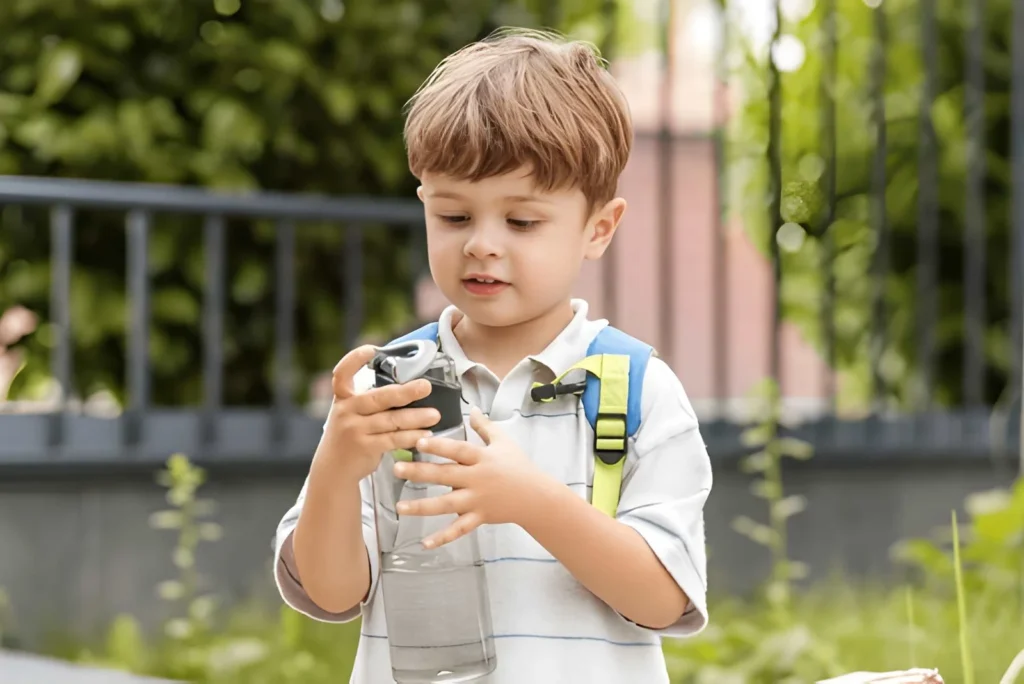
“Ammi, mujhe pani nahi chahiye.”
For many Pakistani parents, these words sound familiar. A child leaves home with a full bottle and comes back with almost the same amount of water. School, homework, games, hot weather, and busy routines can easily make drinking water an afterthought.
One mother in Lahore noticed this with her seven-year-old son. Every afternoon, she asked the same question, “Beta, bottle khatam ki?” His answer was always no. Instead of forcing him, she changed a few simple things. She gave him a bottle he liked, packed it where he could reach it easily, and reminded him to take small sips during the day.
Within a few weeks, drinking water became part of his school routine.
Why Do Some Children Drink Very Little Water at School?
Children can become so involved in lessons, games, conversations, and activities that they simply forget to drink. Some children also avoid drinking because they do not want to ask for permission to leave the classroom or use the washroom.
Hot weather can make the situation more noticeable. A child walking to school, playing during break time, or taking part in sports may need regular fluids, yet may not think about reaching for a bottle. Parents often notice the issue only when the child comes home tired or says they were thirsty throughout the day.
The solution does not need to be complicated. The goal is to make water easy to access and make regular drinking feel normal rather than like another task.
How Can Parents Encourage Better Water Habits Without Forcing Their Child?
The first step is to remove pressure.
Instead of repeatedly saying, “Drink your water,” parents can create small moments during the school routine when drinking becomes natural. Encourage your child to take a few sips before leaving home, during a school break, after physical activity, and after returning home.
A comfortable school water bottle can also make a difference. Children are more likely to reach for a bottle when it is easy to open, easy to carry, and suitable for their age.
Parents should also talk to children about listening to their thirst and drinking regularly rather than waiting until they feel extremely thirsty.
Parent Note: Every child has different hydration needs depending on age, activity level, food intake, and weather. If your child has a medical condition that affects fluid intake, follow your healthcare professional’s advice.
Could the Right School Bottle Make Drinking Water More Appealing?
Yes, a bottle’s design can influence how interested a child is in using it.
A plain bottle may work perfectly for one child, while another may prefer something connected to their favourite character. A Spiderman water bottle, for example, may make a child excited about carrying and using their bottle at school.
Printed designs can turn an ordinary daily item into something personal. The same idea applies to a superhero-printed water bottle featuring a character that your child already likes.
The design itself does not make water healthier. The benefit comes from making the bottle attractive and convenient enough that the child remembers to use it.
What Should Parents Check Before Buying?
Look at practical details rather than choosing a bottle only because of its appearance.
- The bottle should be comfortable for the child’s hands.
- The opening should be easy for the child to use.
- The lid should close securely.
- The material should be suitable for food and drinking water contact.
- The bottle should be simple to wash.
- The size should suit the child’s school bag and daily routine.
A good-looking bottle that leaks inside a school bag will quickly become a problem.
Should Parents Give Their Child Flavoured Drinks Instead?
Not necessarily.
Water should remain the main everyday drink for most healthy children. Parents sometimes replace water with sweetened drinks because they believe children will drink more if the drink tastes stronger.
That approach can create another problem. Regular sugary drinks can add unnecessary sugar to a child’s diet.
Instead, make plain water more interesting through the bottle itself, a fun design, or a simple routine. If your child enjoys healthy drinks, parents can also offer suitable options at home while keeping plain water available throughout the day.
The aim is not to make every drink exciting. It is to help children develop a normal relationship with drinking water.
What If Your Child Says, “I Don’t Like My Water Bottle”?
Listen to that complaint.
Your child may not actually dislike water. The bottle could be difficult to open, too heavy, uncomfortable to carry, or difficult to drink from.
Ask a few simple questions:
- Is the bottle too heavy?
- Is the lid difficult to open?
- Does the bottle leak?
- Does the bottle fit inside the school bag?
- Does your child feel comfortable using it around classmates?
Sometimes one small problem can stop a child from using the bottle throughout the day.
Let Your Child Have Some Choice
Parents can narrow the options while allowing the child to choose the final design.
For example, show two suitable bottles and ask which one they prefer. Giving children a little control can make them more interested in using the item.
A child who chooses a kids sipper with a favourite printed design may feel more connected to it than a bottle selected entirely by someone else.
A School Morning Can Set the Tone for the Whole Day
Imagine a typical Karachi morning.
The school uniform is ready. Lunch is packed. Shoes are waiting near the door. Everyone is in a hurry because the school van is about to arrive.
In that rush, water can easily be forgotten.
A simple routine can help. Encourage your child to drink some water after waking up and again before leaving home. Then make sure the bottle is already filled and placed inside the school bag.
This small habit removes one decision from a busy morning.
Think of it this way: If the bottle is already filled, easy to reach, and familiar to the child, there is one less reason to ignore it.
What Can Parents Do During Hot Pakistani Weather?
Pakistan’s hot months can make regular fluid intake especially important for active children.
Parents should make sure their child carries enough water for the school day based on the child’s routine and the school’s arrangements. Children who participate in sports or spend more time outdoors may need more opportunities to drink.
A practical routine can include:
- Drinking water before leaving home.
- Taking regular sips during school breaks.
- Drinking after sports and physical activities.
- Having water available during the journey home.
- Drinking again after returning home.
- Do not wait for your child to become very thirsty before offering water.
What Do Parents Often Get Wrong?
One common mistake is turning water into a daily argument.
If every morning starts with, “You never drink enough water,” the child may begin seeing hydration as pressure from parents rather than a normal part of the day.
Another mistake is buying a bottle that looks attractive but does not suit the child’s routine.
The better approach is simple. Choose a suitable bottle, create regular opportunities to drink, explain why water matters, and let the habit develop gradually.
Important: Parents should seek medical advice if a child has unusual thirst, frequent urination, repeated vomiting, diarrhea, signs of dehydration, or another health concern.
What About Printed Bottles? Are They Just a Trend?
Printed bottles can be more than a passing trend when they help children feel interested in using their bottle.
Characters like Spider Man and other superheroes can make a school bottle feel fun. That emotional connection may encourage a child to keep the bottle nearby instead of leaving it untouched inside the school bag.
Still, parents should look beyond the printed design. A child’s comfort, bottle size, material, cleaning requirements, and secure closure matter more for everyday use.
The best choice combines a design the child enjoys with features that make daily use practical.
How Can Apple Homeware Help Make School Hydration Easier?
Apple Homeware offers water bottles designed for different everyday needs, including options that can suit children who enjoy colourful and character-based designs. Its kids’ range includes designs featuring Spider-Man, Avengers, Iron Man, Barbie, and Batman.
For Pakistani parents looking for a practical school bottle, the focus should remain on easy handling, suitable capacity, secure closure, and simple cleaning. A child may become more interested in carrying a bottle when its design matches their personality and interests.
As the largest drinkware manufacturer in Pakistan, Apple Homeware offers household drinkware options that fit everyday Pakistani routines. Parents can also compare products when checking plastic water bottles price in Pakistan, keeping the child’s school needs and daily use in mind rather than focusing only on appearance.
A Simple Plan Parents Can Start Tomorrow
You do not need to completely change your child’s routine overnight.
Try this simple approach:
- Before school: Give your child water with breakfast and fill the school bottle.
- At school: Encourage small, regular sips during suitable breaks.
- After activity: Remind your child to drink after sports or active play.
- After school: Offer water when your child gets home.
- At night: Wash and prepare the bottle for the next morning.
Consistency matters more than making the routine complicated.
What If Your Child Still Refuses to Drink Water?
Stay calm and look for the reason.
Maybe the bottle is uncomfortable. Maybe your child dislikes the taste of water kept in the bottle for too long. Maybe they avoid drinking at school because they do not like using the washroom there.
Talk to your child instead of assuming they are simply being stubborn.
You can also speak with the teacher if your child needs regular access to their bottle during school hours. For children who participate in sports, ask about the school’s water access and break routine.
The goal is cooperation between the child, parents, and school.
The Small Bottle Habit That Can Make a Big Difference
Helping a child drink more water does not mean constantly reminding them to finish an entire bottle. It means creating an environment where water is easy to access and comfortable to drink.
A suitable school water bottle, a child friendly design, regular drinking opportunities, and a calm approach can help build a healthy daily habit. Parents can also teach children that water is the first choice when they feel thirsty.
That little lesson can stay with them well beyond their school years.
DID YOU KNOW?
Children may become absorbed in play or school activities and forget about drinking. Making water easily accessible can help remove one common barrier to regular drinking.
A bottle that fits comfortably in a school bag and is easy for a child to open can make the daily routine simpler.
One Last Reminder for Parents
If your child returns home with a full bottle every day, do not panic and do not turn it into a fight. First find out why.
Maybe they need a different bottle. Maybe the design does not interest them. Maybe they simply forget. Maybe the school routine does not give them enough opportunities to drink.
Start with one small change and watch how your child responds.
As the old saying goes, “A little is better than nothing.” The same idea can apply to building healthy habits. A few regular sips can become a routine when parents make drinking water easy, accessible, and stress-free.
Disclaimer: Every child has different hydration needs depending on age, activity level, diet, health, and weather. This article offers general parenting information and is not a substitute for advice from a qualified healthcare professional.
Visit here for more informative blogs