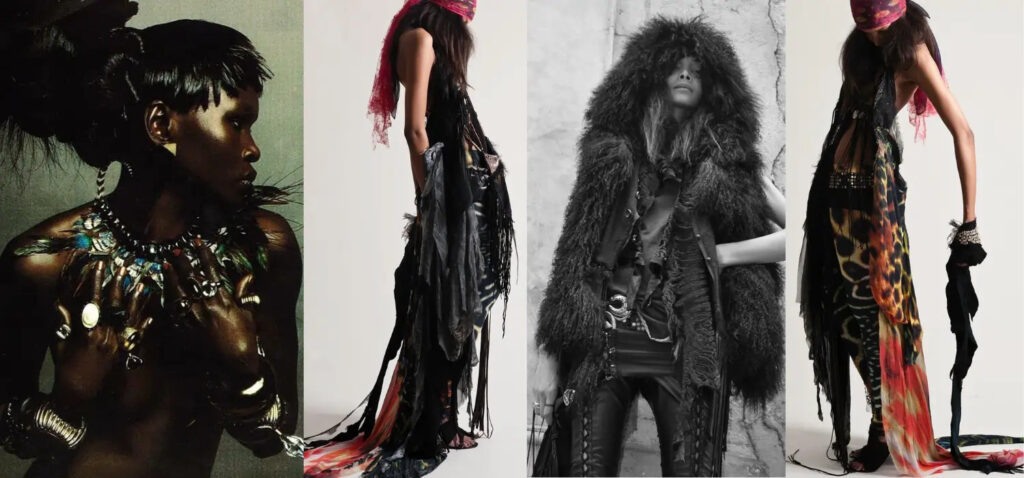
The internet has changed how people discover clothing, explore new styles and plan their wardrobes. With a few searches, you can find outfit ideas, discover independent designers and learn how different garments work together. However, the constant stream of new looks can make it difficult to decide what genuinely suits you.
The best approach is to use online fashion as a source of inspiration rather than a list of trends you must follow. By collecting ideas carefully and adapting them to your own preferences, you can develop a style that feels individual and practical.
Explore Different Sources of Inspiration
Fashion inspiration can come from many places. Street-style photographs, fashion editorials, films, music, art and everyday life can all introduce new ideas about colour, shape and clothing combinations.
Try exploring different styles instead of focusing on one trend. You might notice an interesting way to combine colours in a photograph or find inspiration in the proportions of an outfit. Even a small detail, such as a collar shape or the way a jacket is layered, can influence how you dress.
Browsing the ifsixwasnine website can also form part of your fashion research when exploring distinctive clothing and looking for ideas that fit your personal taste.
Keep an open mind while browsing. You do not have to like an entire outfit to learn something from it. Sometimes, one garment or styling detail is enough to inspire a new combination.
Create a Collection of Ideas
Saving every outfit you see online can quickly become overwhelming. Instead, create a small collection of looks that share something you genuinely enjoy.
You could organise your saved photographs into categories such as:
- Colour combinations: Shades that work well together or create an interesting contrast.
- Everyday outfits: Practical combinations for work, travel or meeting friends.
- Outerwear: Jackets and coats that change the shape or mood of an outfit.
- Accessories: Bags, belts, jewellery and footwear that add character.
- Seasonal ideas: Clothing combinations suited to warmer or colder weather.
After collecting a few examples, look for common themes. You may discover that you prefer relaxed silhouettes, neutral colours, layered outfits or a particular type of outerwear.
These patterns can help you understand your preferences without forcing you into a single fashion category.
Adapt Ideas to Your Own Wardrobe
An outfit that looks impressive online may not work exactly the same way in your daily life. Differences in body proportions, climate, budget and personal comfort all affect how clothing looks and feels.
Instead of copying a complete outfit, identify the element that interests you most. If you like the contrast between a fitted top and loose trousers, try recreating that balance with clothes you already own.
Similarly, if an outfit features several layers, experiment with two garments first. You can gradually add other pieces once you understand how the proportions work.
This method makes fashion experimentation more accessible. It also reduces the pressure to purchase new clothes whenever you discover an appealing look.
Understand the Difference Between Inspiration and Trends
Trends can introduce fresh ideas, but they change quickly. Buying every popular item may leave you with clothes that no longer reflect your preferences a few months later.
Before following a trend, ask yourself whether you would wear the item even if it stopped appearing on social media. Consider whether it suits your lifestyle and whether it works with the garments you already own.
There is nothing wrong with trying a current trend. The important point is to choose it because you enjoy it, rather than feeling that you need to keep up with everyone else.
A personal style can include modern pieces alongside older favourites. This mixture often gives a wardrobe more character than following one seasonal look from head to toe.
Check Information Before Shopping Online
Fashion content often leads naturally to online shopping, but attractive photographs should not be the only factor behind a purchase.
Read product descriptions carefully and check measurements, materials and care instructions. Review the retailer’s delivery and returns policies before ordering. Customer feedback may also help you understand sizing and how a garment performs in everyday use.
If a photograph does not show an important detail, look for additional product images or ask the retailer for clarification. Taking a few extra minutes can help prevent disappointment.
You should also be selective about the fashion advice you follow. One person’s preferred fit or styling method may not suit your needs, so use recommendations as starting points rather than strict rules.
Develop a Style That Feels Like Yours
Finding fashion inspiration online is most useful when it helps you make independent choices. Save ideas that interest you, experiment with familiar clothes and pay attention to the combinations that make you feel comfortable.
You do not need to follow every trend or build an entirely new wardrobe. Start with a few ideas, adapt them to your lifestyle and allow your preferences to develop over time.
Ultimately, the goal is not to dress exactly like someone else. It is to use what you discover online to create outfits that reflect your own taste, needs and personality.