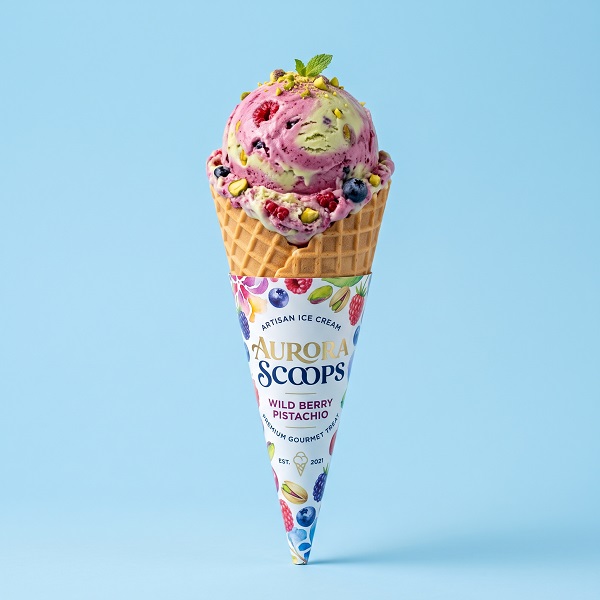
Ice cream cone sleeves look simple. A small paper wrapper, a bit of print, done. But anyone who has sold thousands of cones knows the truth: the wrong sleeve tears in a customer’s hand, soaks through in ten seconds, or shows up with your logo printed in the wrong shade of pink.
Your supplier decides all of that. Not your design. Not your budget. Your supplier.
If you run an ice cream shop, a gelato bar, a food truck, or a frozen dessert brand, picking the right cone sleeve partner protects your product and your name. Here is how to do it properly.
Why Your Cone Sleeve Supplier Matters
A cone sleeve does three jobs at once. It keeps the customer’s hand clean, it slows down melting drips, and it carries your branding into every photo posted online.
A weak supplier fails at all three. Thin paper collapses. Cheap ink smudges when it gets damp. Late deliveries leave you serving cones in plain napkins during your busiest weekend.
A strong supplier gives you consistency. Same thickness, same color, same fit order after order. That consistency is what makes your brand look professional instead of homemade.
Start With Food-Grade Materials and Safety
This is the first filter. If a supplier cannot prove their material is food-safe, stop the conversation there.
Ask what stock they use. Most quality cone sleeve wrappers are made from food-grade kraft paper, white SBS board, or greaseproof paper somewhere between 60 and 120 GSM. Anything thinner tends to wrinkle and tear.
Then ask about the ink. Soy-based and water-based inks are the standard for food contact printing. Petroleum-based inks can transfer odor or residue into your product.
Request documentation, not promises. FDA compliance statements, food-contact certificates, and FSC certification for sustainably sourced paper are all reasonable things to ask for. A serious manufacturer will send them without hesitation.
Check Printing Quality and Color Accuracy
Your logo needs to look the same in June as it did in January.
Ask which printing method they use. Digital printing works well for smaller runs and quick turnarounds. Offset printing gives sharper detail on large volumes. Flexographic printing is common for high-volume roll-fed sleeves.
More importantly, ask how they handle color matching. A supplier that only works in CMYK may struggle to hit your exact brand color. If your brand relies on a specific shade, you want a partner who supports Pantone matching and can show you a printed proof before the full run.
Ask to see samples of past work in the frozen dessert category. Printing on greaseproof stock behaves differently than printing on plain cardstock, and experience shows.
Ask About Grease and Moisture Resistance
Ice cream melts. That is not a design flaw, it is the product. Your sleeve has to survive it.
Ask what barrier options they offer. Grease-resistant coatings, poly lining, and wax-free moisture barriers all help the sleeve stay intact while a customer works their way down a cone.
Also ask about compostable options. Many cities now restrict plastic-lined food packaging, and a supplier who already offers compliant alternatives saves you a costly reprint later.
A good test question: “How does this sleeve perform after fifteen minutes of contact with a melting product?” If they cannot answer clearly, they have not tested it.
Compare MOQ, Pricing, and Hidden Costs
Minimum order quantity is where many small shops get stuck. Some manufacturers will not touch an order under 50,000 units. Others start at 500.
Match the MOQ to your actual usage. Ordering 100,000 sleeves to save two cents per unit is a bad deal if 60,000 sit in storage for three years and yellow at the edges.
Then look past the unit price. Ask specifically about:
- Plate and setup fees for custom printing
- Dieline or artwork preparation charges
- Rush production surcharges
- Freight, duties, and delivery to your door
- Reprint costs if colors come out wrong
A quote that looks cheap per unit often lands 30% higher once these appear. Ask for a full landed cost in writing.
Review Turnaround Time and Reliability
Ice cream is seasonal. If your peak runs from May through August, a supplier with a six-week lead time is a real risk.
Ask for standard production time, rush production time, and shipping time separately. Then ask what happens when they miss a deadline. Do they offer partial shipments? Do they hold safety stock for repeat customers?
Reliability is easier to judge from other buyers than from the supplier itself. Look for reviews, ask for references in your industry, and pay attention to how quickly they answer your emails during the quoting stage. Slow responses now usually mean slower responses after you have paid.
Look at Customization and Dieline Support
Cone sleeves come in different shapes for different cones. A sugar cone, a waffle cone, and a jumbo waffle bowl all need different dimensions.
A capable supplier will provide a dieline template sized to your specific cone, not a generic file. They should also support finishing options like matte or gloss lamination, foil stamping, embossing, and spot UV if you want a premium look.
Ask whether they have an in-house design team. If your artwork needs adjustment for bleed, safe zones, or print resolution, having that handled internally saves days of back-and-forth. Companies such as ONO Custom Boxes build this support into the ordering process, which is worth looking for when you compare options.
Always Test Samples First
Never place a full order from a digital mockup.
Request physical samples, ideally printed with your real artwork. Then test them the way your customers will. Wrap an actual cone. Hold it for ten minutes. Check whether the paper softens, whether the ink holds, whether the fit is snug or loose.
Most reputable manufacturers offer samples free or at a small cost. A supplier who refuses to send any is telling you something.
Red Flags to Watch For
Walk away if you see these signs:
- No certifications or vague answers about food safety
- Prices far below every other quote you received
- No physical address or verifiable business details
- Refusal to provide samples or printed proofs
- Contracts with no clarity on defects or reprints
- Communication that slows down before you have even ordered
The Bottom Line
The right cone sleeve supplier is not always the cheapest one. It is the one that delivers food-safe material, accurate printing, honest pricing, and dependable timing — every single time.
Shortlist three suppliers. Ask all of them the same questions. Order samples from each. Then choose based on what you can actually hold in your hand, not what looks good in a quote.
Your ice cream is the product. The sleeve is how people remember it.