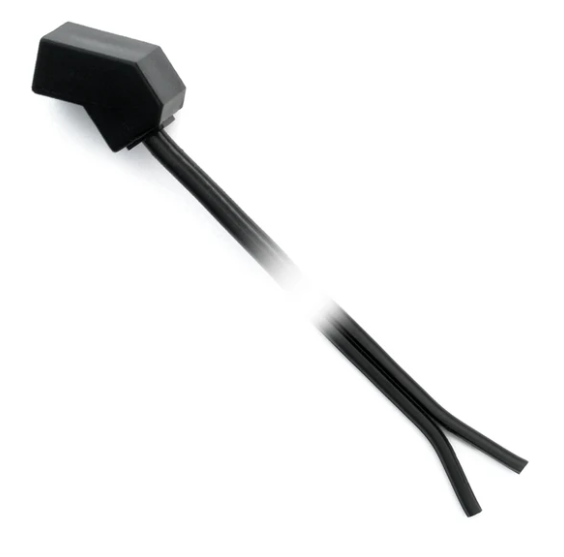
Fan Extension Cord
Reliable electrical connections are essential for the safe and consistent operation of industrial cooling equipment. Fans used in electronic enclosures, control panels, machinery, and ventilation systems need suitable electrical connections to operate as intended. Selecting the right fan extension cord helps accommodate installation distances, organize wiring, and support the integration of cooling equipment into a larger system. Choosing compatible fan cords is particularly important when standard cable lengths or connection arrangements do not meet the requirements of an application.
Although extension cords may appear to be simple components, their specifications can affect installation quality and electrical safety. Understanding cable length, connector compatibility, electrical ratings, and environmental requirements helps businesses make informed purchasing decisions.
What Is a Fan Extension Cord?
A fan extension cord is an electrical cable assembly used to extend the connection between a fan and a compatible power source or connection point. Depending on the application, it may help bridge the distance between components, simplify wiring arrangements, or accommodate the physical layout of an enclosure.
In industrial cooling systems, fans may be installed in locations where the original cable does not reach the intended connection point. A suitable extension can help address this requirement without forcing the equipment into an unsuitable position.
However, not all fan cords are interchangeable. The correct choice depends on the fan’s electrical specifications, connector design, cable construction, and intended operating environment.
Why Choosing the Correct Fan Cord Matters
A properly selected cord helps establish a compatible electrical connection and supports an organized installation. An unsuitable cord, by contrast, may create connection problems, installation delays, or potential electrical hazards.
Several factors make correct selection important.
Electrical Compatibility
The cord must be suitable for the fan’s voltage and current requirements. Connector configurations, wire specifications, and other electrical characteristics should match the intended application.
Never assume that a cord is suitable simply because its connector looks similar to the original. Verify the specifications and consult the equipment documentation before ordering.
Suitable Cable Length
Cable length affects how easily a fan can be connected within an enclosure or equipment assembly. A cable that is too short may prevent proper positioning, while an unnecessarily long cable can create clutter.
Choosing an appropriate length helps maintain an organized layout and reduces the need for improvised cable routing.
Reliable Connections
Compatible connectors help establish the intended electrical connection. Check connector type, pin arrangement, polarity where applicable, and the requirements of the fan and power source.
If a custom connection is required, confirm the complete configuration before placing an order.
Installation Safety
Cords should be appropriate for the electrical and environmental conditions of the installation. Damaged insulation, unsuitable routing, excessive strain, and incompatible connections can create safety risks.
Follow the manufacturer’s instructions and applicable electrical standards. Have qualified personnel handle work that requires specialized electrical knowledge.
Key Factors to Consider When Buying Fan Cords
1. Confirm the Fan Model
Start by identifying the fan manufacturer, model, and electrical specifications. Check the existing cable or equipment documentation to establish the required connection type.
This information helps narrow the available options and reduces the risk of ordering an incompatible cord.
2. Measure the Required Length
Determine the distance between the fan and its intended connection point. Account for the actual cable route rather than measuring only the straight-line distance.
Consider the placement of nearby components, cable entry points, and any required routing clearances. The selected length should provide sufficient reach without leaving excessive cable inside the enclosure.
3. Review Connector Specifications
Connector compatibility is one of the most important considerations when selecting a fan extension cord. Verify the connector family, number of positions, pin arrangement, and mating requirements.
Do not modify connectors or force incompatible parts together to complete an installation. Where the connection is uncertain, obtain technical guidance before proceeding.
4. Check Cable Ratings and Construction
Review the cord’s voltage and current ratings, conductor specifications, insulation, and temperature suitability. These characteristics should meet the demands of the intended application.
Industrial equipment may operate in environments with elevated temperatures, vibration, dust, or mechanical movement. Confirm that the selected cable is designed for the actual conditions.
5. Consider Custom Requirements
Some installations require specific cable lengths, connector combinations, or other configuration details. A custom cord may be useful when a standard product does not match the equipment layout.
Before requesting a custom assembly, document the required length, connector details, electrical specifications, and intended use. Clear requirements make it easier to identify an appropriate solution.
How Fan Cords Support Organized Cooling Systems
Electrical enclosure design often involves several fans, sensors, controllers, and other components. Cable routing should be planned alongside the physical placement of these devices.
Suitable fan cords can help accommodate the intended layout and reduce unnecessary tension on connections. Keeping cables organized also makes it easier for technicians to identify components and carry out maintenance.
Where multiple electrical components share an enclosure, cables should be routed in accordance with the equipment manufacturer’s instructions and applicable separation requirements. Avoid placing cords where they may contact sharp edges, moving parts, or excessively hot surfaces.
Cable ties and other management accessories may help maintain organization when used appropriately. However, cables should not be bent beyond their permitted radius, compressed excessively, or secured in ways that damage their insulation.
A well-planned arrangement supports accessibility and helps technicians inspect the installation more efficiently.
Common Mistakes to Avoid
One common mistake is choosing a cord based on length alone. Even a correctly sized cable may be unsuitable if its connector or electrical ratings do not match the equipment.
Another mistake is overlooking the operating environment. A cord intended for one set of conditions may not be appropriate for an installation exposed to excessive heat, moisture, or mechanical stress.
Poor cable routing can also create problems. Excessive tension, sharp bends, and contact with hot surfaces may damage a cable over time.
Finally, replacing a damaged cord without investigating the cause may allow the problem to return. Check for pinched cables, loose connections, incorrect installation, or other conditions that may have contributed to the damage.
When Should a Fan Extension Cord Be Replaced?
Inspect cords periodically according to the equipment manufacturer’s maintenance recommendations. Warning signs include cracked insulation, exposed conductors, damaged connectors, discoloration, loose connections, or evidence of overheating.
A damaged cord should not continue to be used simply because the fan still operates. Disconnect the equipment according to the required safety procedure and arrange an appropriate replacement.
The replacement must meet the original electrical and connection requirements or be verified as a suitable alternative. Do not attempt makeshift repairs that compromise insulation, connector integrity, or electrical safety.
Find Suitable Fan Cords for Your Application
Choosing the right fan extension cord involves more than finding a cable of the correct length. Electrical ratings, connector compatibility, environmental conditions, and routing requirements all contribute to a dependable installation.
GardTec Online offers fan-related products for industrial and electronic cooling applications, including options for installations that require suitable cord configurations. Reviewing the available specifications helps businesses determine which products meet their needs.
Need a better connection for your cooling system? Explore the custom fan cords collection at GardTec Online to review available options and identify a suitable solution for your fan installation.
