Denting a fender or cracking a bumper leaves you staring at an uncertain bill before the car is even on a lift. When you rely on Auto Body Collision Experts, you gain a realistic picture of what repairs actually take and why two similar-looking crashes can produce wildly different invoices. In this guide, you will learn typical U.S. repair price ranges, the hidden expenses behind modern vehicles, and practical steps for handling estimates and insurance claims.
Typical Auto Body Repair Price Ranges
In the United States, repairable collision claims average roughly $4,800, though actual bills stretch from a couple hundred dollars for minor scuffs to well over $15,000 for heavy structural work. Industry data also shows that newer vehicles—typically six years old or less—average over $5,700 per repairable claim, while vehicles seven years and older average closer to $3,700. That gap reflects both higher replacement component prices and the reality that older vehicles hit the total-loss line sooner.
Light cosmetic damage usually stays on the lower end of the spectrum. If a parking lot bump leaves a shallow door ding without cracking the clear coat, paintless dent repair can often push the metal back into shape for around $100 to $250. Buffing out light surface scratches or touching up a minor bumper scuff generally runs from $100 to $600.
Moderate repairs step up quickly once panels need reshaping, replacement, or multi-panel paint blending. Replacing and painting a bumper cover commonly lands between $1,200 and $2,500, while replacing a door or hood often ranges from $1,500 to $3,500. If a collision bends frame rails, crumple zones, or structural pillars—or triggers airbags—costs frequently climb past $8,000 to $20,000 or more.
What Drives the Final Repair Bill Higher?
Labor Rates, Materials, and Paint Blending
An estimate is rarely just the price of a replacement part bolted onto a car. Shops bill for body labor, mechanical or structural labor, refinishing labor, and paint materials, with hourly shop rates varying widely by region and skill level. Metallic, pearl, and tri-coat finishes cost more in materials and take extra time to match accurately.
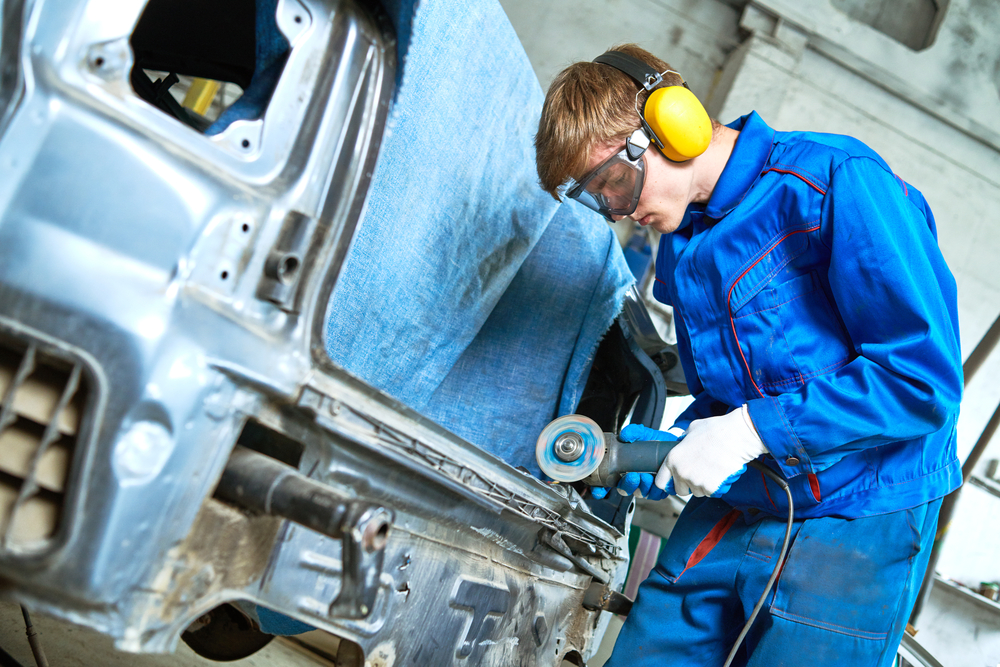
Even when only one door or fender is damaged, technicians often blend color into adjacent panels so the repair does not look patchy in sunlight. Working with aluminum body panels or high-strength steel also adds time because specialized tools, clean bays, and strict manufacturer repair procedures are required to preserve strength.
Sensors, Diagnostics, and ADAS Calibration
Modern cars pack radar units, cameras, ultrasonic parking sensors, and blind-spot monitors directly into bumpers, grilles, windshields, and side mirrors. Even a low-speed tap can knock a sensor out of alignment or damage wiring harnesses hidden behind a plastic bumper cover.
According to CCC Intelligent Solutions’ Crash Course 2026 report, roughly 28.3% of repairable estimates involve driver-assistance calibrations. Pre- and post-repair diagnostic scans plus static or dynamic ADAS calibration often add hundreds of dollars to a repair order, and skipping them can leave safety features misaimed.
OEM vs. Aftermarket and Recycled Parts
Part selection is one of the biggest points of negotiation between repair shops, insurers, and vehicle owners. Original Equipment Manufacturer (OEM) parts are built to the automaker’s exact specifications and typically fit cleanly out of the box, though they usually cost more.
Aftermarket parts and Like Kind and Quality (LKQ) recycled parts can lower part costs, which is why insurance estimates often include them. However, aftermarket panels sometimes require extra test-fitting or alignment labor during auto body collision work, reducing part of the initial discount. Check your policy terms and state rules, as some policies offer OEM endorsements or cover OEM parts on newer vehicles.
Auto Body Repair Cost Breakdown by Damage Severity
| Damage Tier | Common Accident Examples | Typical U.S. Cost Range | Key Cost Drivers |
| Cosmetic | Door ding, light clear-coat scratch, minor bumper scuff | $100 – $800 | Paintless dent repair vs. localized buffing and touch-up |
| Moderate | Cracked bumper cover, dented fender or door, hood replacement | $800 – $4,000 | Replacement panels, adjacent panel blending, hidden bracket damage |
| Heavy / Structural | Multi-panel hit, bent frame rail, quarter-panel sectioning | $5,000 – $20,000+ | Frame bench time, structural welding, ADAS scans and calibrations |
| Total Loss Territory | Severe structural collapse, deployed airbags, high-cost parts on older/high-mileage car | Often exceeds 65%–80% of vehicle value | Repair cost vs. actual cash value (ACV) and salvage value |
Use this table as a ballpark reference before a technician inspects the vehicle behind outer panels. Initial visual quotes frequently change once damaged mounts, sensors, or frame components are exposed during teardown.
Insurance Deductibles, Supplements, and Total Loss Rules
Deciding whether to pay out of pocket or file an insurance claim starts with your collision deductible. If your repair estimate is $900 and your deductible is $1,000, filing a claim under your own collision coverage will not generate a payout—and higher deductibles have led more drivers to pay minor repairs themselves.
Expect supplements on moderate and heavy repairs. A written estimate based on exterior photos or a quick walk-around is only a starting point; once the shop removes a bumper cover or fender liner, hidden damage frequently turns up and requires insurer approval before work continues.
If repair costs climb close to the vehicle’s actual cash value—minus its salvage value under state total-loss formulas—the insurer may declare the car a total loss rather than authorizing repairs. CCC data shows total-loss claims have reached record highs in recent reporting, largely because repair complexity and parts costs have risen alongside aging vehicles.
Practical Steps to Protect Your Wallet After a Crash
Start by documenting everything clearly while the scene and initial damage are fresh. Take wide and close-up photos of all angles of the vehicle, warning lights on the dash, and any fluid leaks or misaligned gaps.
When choosing a shop for auto body collision repairs, look past the lowest headline number. Ask whether the facility performs pre- and post-repair scans, follows OEM repair procedures, and provides a written workmanship warranty. A low estimate that skips calibration or leaves out necessary blend labor can turn into delays, surprise supplements, or safety issues later.
Finally, ask your insurer or claims adjuster how parts are sourced, whether rental car coverage applies during teardown and supplements, and how your deductible is handled if another driver was at fault. Clear communication early keeps surprises to a minimum while your car is in the shop.
Understanding auto body repair costs comes down to looking past surface dents and accounting for labor, hidden damage, parts choices, and electronic calibrations. While minor scratches stay affordable, modern safety systems and structural work can push bills into the thousands quickly. Compare thorough written estimates, ask direct questions about parts and calibration, and weigh your deductible against the likely repair bill before deciding how to proceed. If you are preparing for an estimate now, gather your photos, policy details, and questions for the shop so you can move forward with confidence.
Frequently Asked Questions
Why is an initial auto body estimate often lower than the final bill?
An initial estimate is usually written before parts are removed, so technicians cannot see bent brackets, crushed energy absorbers, or damaged sensor wiring underneath. Once teardown begins, the shop submits a supplement for newly discovered damage and required calibrations.
Should I pay out of pocket or file an insurance claim for minor damage?
If the repair cost is close to or below your collision deductible, paying out of pocket often makes sense. Paying cash can also help you avoid a claim on your record when damage is minor, though you should still factor in potential safety or sensor issues.
Can my insurance company force me to use a specific repair shop?
In most U.S. states, you have the right to choose your own repair shop rather than using an insurer’s preferred facility. However, insurers set caps on what they will pay for labor rates, parts, and rental vehicles based on your policy.
Do electric vehicles or hybrids cost more to repair after a crash?
They often do, particularly when high-voltage components, battery enclosures, specialized cooling lines, or extra electronic sensors are involved. Industry repair data consistently shows battery-electric vehicles averaging higher repairable claim costs than traditional gas vehicles.
How can I tell if my car needs ADAS calibration after an accident?
Any collision affecting front or rear bumpers, grilles, windshields, side mirrors, or suspension alignment can throw off cameras and radar sensors. Reputable shops check manufacturer service procedures and run diagnostic scans to confirm whether calibration is required.