South Korea’s construction sector is experiencing significant changes as developers, manufacturers, and policymakers increasingly prioritize faster, more efficient, and sustainable building solutions. Modular construction is emerging as an important alternative to conventional building methods by addressing challenges such as project delays, labor shortages, rising construction costs, and material wastage. With urban development and infrastructure investments continuing across the country, off-site construction techniques are gaining attention across residential, commercial, and industrial projects.
The South Korea Modular Construction Market is gaining momentum as construction companies increasingly adopt factory-manufactured building components that can be transported and assembled at designated project locations. According to industry insights from Markntel Advisor, the growing adoption of prefabricated building systems and off-site construction technologies reflects the construction sector’s increasing focus on productivity, quality control, and sustainable development. Advancements in digital engineering, automated manufacturing, and modern building techniques are further expanding the application of modular construction across South Korea.
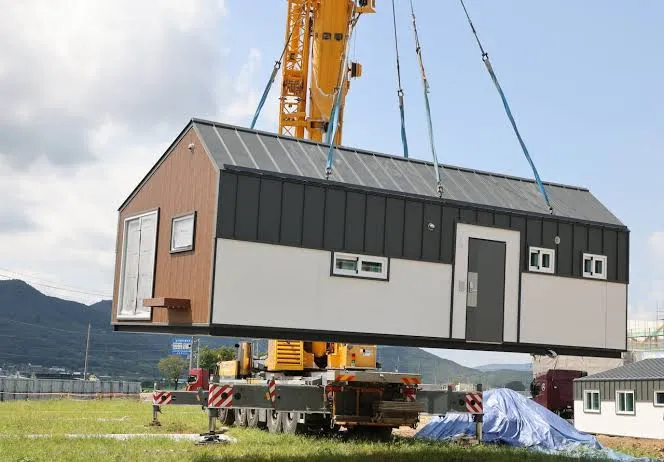
Unlike conventional construction, modular building techniques allow significant portions of a structure to be manufactured in controlled factory environments before being transported for on-site installation. This approach helps streamline construction activities, improve material utilization, and maintain consistent quality standards while reducing project completion timelines.
Rising Infrastructure Demand Strengthens Opportunities for Markntel Advisor Industry Insights
South Korea’s expanding urban infrastructure and growing demand for residential and commercial buildings are creating opportunities for modular construction providers. Increasing requirements for housing, healthcare facilities, educational institutions, industrial buildings, and commercial developments are encouraging developers to explore alternative construction techniques.
Modular construction offers practical advantages for projects requiring faster execution and standardized building components. Factory-based manufacturing enables multiple construction activities to take place simultaneously, reducing the time required for on-site assembly.
Additionally, modular solutions can support large-scale infrastructure projects where maintaining consistent construction quality and managing project schedules are essential. These advantages are encouraging developers and construction companies to integrate prefabricated building systems into their project planning strategies.
Sustainable Construction Practices Encourage Modular Building Adoption
Environmental sustainability is becoming an important consideration across South Korea’s construction sector. Developers are increasingly exploring building methods that minimize material wastage, improve resource efficiency, and support energy-conscious construction practices.
Modular construction contributes to these objectives through controlled material procurement, standardized manufacturing, and improved waste management. Factory-based production allows manufacturers to measure material requirements more accurately, reducing unnecessary consumption and construction waste.
Furthermore, modular building components can be designed to support energy-efficient building systems and sustainable material selection. These capabilities align with broader environmental objectives and encourage construction stakeholders to consider off-site manufacturing as part of their sustainable development strategies.
Digital Technologies Transform Modular Construction Processes
Technological advancements are improving the design, production, and installation of modular building components. Building Information Modeling (BIM), artificial intelligence, robotics, automation, and advanced manufacturing systems are helping construction companies achieve greater precision throughout project execution.
BIM enables architects, engineers, manufacturers, and contractors to coordinate building designs through detailed digital models. This improves communication between project stakeholders while helping identify potential design conflicts before manufacturing and installation begin.
Automation and robotics are also improving factory productivity by supporting repetitive manufacturing activities and maintaining consistent component quality. Additionally, digital project management systems help coordinate production schedules, transportation logistics, and on-site assembly activities.
As these technologies become more widely integrated, modular construction is expected to offer greater flexibility and improved operational efficiency across complex building projects.
Expanding Applications Across Residential and Commercial Sectors
Modular construction is increasingly moving beyond temporary structures and basic residential applications. Commercial offices, healthcare facilities, educational buildings, hotels, industrial facilities, and public infrastructure projects are exploring prefabricated construction techniques to improve project delivery.
Healthcare providers can benefit from modular facilities that support faster development of treatment spaces and specialized medical buildings. Similarly, educational institutions can utilize prefabricated structures to expand classroom capacity while minimizing disruption to existing operations.
In commercial and industrial applications, modular construction enables businesses to develop standardized facilities with greater scheduling flexibility. The ability to customize building components according to specific project requirements further strengthens the appeal of these solutions.
Labor Shortages and Productivity Challenges Drive Industry Transformation
Labor availability remains an important challenge for construction companies seeking to complete projects within planned budgets and timelines. Modular construction helps address this issue by shifting a substantial portion of building activities from conventional construction sites to specialized manufacturing facilities.
Factory-based production environments allow businesses to standardize workflows, improve workforce coordination, and reduce dependence on weather conditions. They also provide better opportunities to implement workplace safety measures and monitor production quality.
Another advantage is the ability to conduct site preparation and component manufacturing simultaneously. This parallel approach can reduce overall project timelines while improving resource allocation and construction productivity.
As construction companies continue facing workforce and scheduling challenges, modular building techniques are becoming an increasingly relevant option for improving project execution.
Future Outlook
Modular construction is expected to become an increasingly important part of South Korea’s building sector as developers prioritize faster project delivery, sustainable construction, and advanced manufacturing technologies. Growing demand for residential facilities, commercial buildings, healthcare infrastructure, and industrial developments is creating opportunities for prefabricated construction solutions.
Going forward, investments in automation, digital engineering, innovative building materials, and standardized manufacturing processes are likely to strengthen the adoption of modular construction. As construction stakeholders seek alternatives that combine efficiency, quality, and environmental responsibility, off-site construction methods will play an important role in shaping South Korea’s future building landscape.